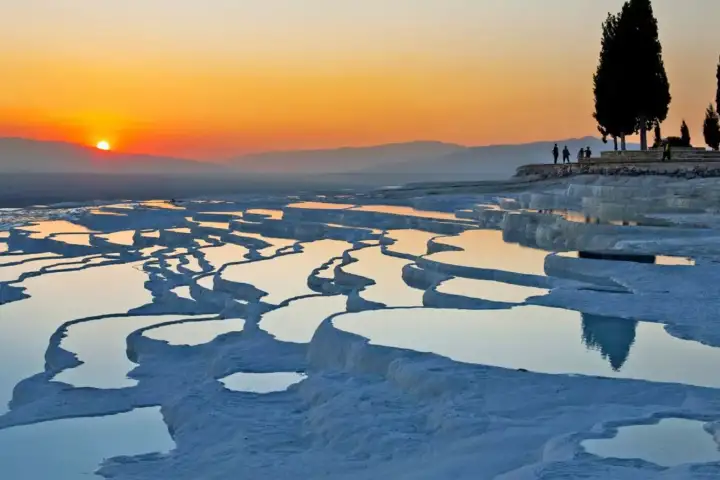
As global attention turns to the historic town of
İznik (ancient
Nicaea, also spelled
Nicea or historically
Nikaia), travelers are rediscovering this serene lakeside gem in northwestern Turkey. The year 2025 marks a monumental milestone in the history of faith: the
1700th Anniversary of the First Council of Nicaea. Tomorrow,
Pope Francis is expected to visit this ancient city to lead an ecumenical prayer, highlighting İznik's role as the bedrock of Christian doctrine. But why is this small town so important? Why are pilgrims and travelers flocking here? For travelers interested in
Biblical history, Roman architecture, and spiritual journeys, İznik is one of the most significant destinations in Turkey. In this comprehensive guide, we will take you on a deep journey through Nicaea’s Christian heritage, explore its hidden ruins, and help you plan the perfect
day trip from Istanbul.
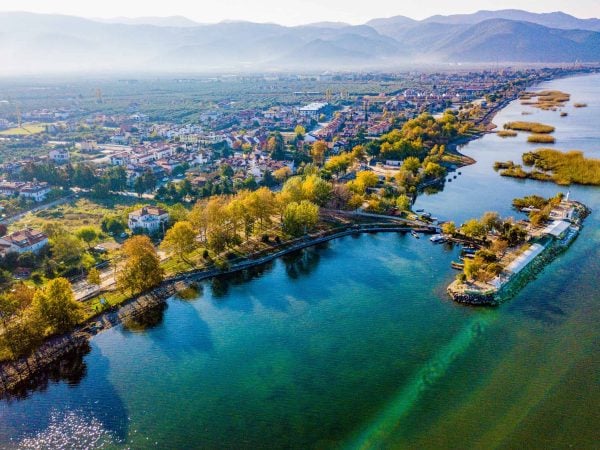
Why is İznik (Nicaea) the Center of Attention in 2025?
İznik is not just another charming Turkish town; it is the place where the definition of Christianity was written. In AD 325, the
First Council of Nicaea gathered here, bringing together over 300 bishops from across the Roman Empire. Under the patronage of
Emperor Constantine the Great, they debated the nature of Christ and formulated the
Nicene Creed—the declaration of faith ("I believe in one God...") that is still recited in churches around the world today.
The Pope's Visit: The visit of Pope Francis tomorrow is a symbolic gesture of unity. By standing on the shores of Lake İznik, near the submerged basilica, religious leaders are commemorating 17 centuries of this shared heritage. For a traveler, there has never been a better time to visit.
A Walk Through Christian History: What Happened Here?
1. Pliny the Younger and the Early Christians (AD 112)
Long before the great councils, Nicaea was already central to the story of Christianity. Around AD 112,
Pliny the Younger, the Roman Governor of Bithynia (the region of Nicaea), wrote a famous letter to Emperor Trajan. He asked for advice on how to deal with the growing number of "Christians" who refused to worship the Emperor. This letter is one of the earliest external historical records of Christianity. It tells us that even in the early 2nd century, the faithful in this region were gathering before dawn to sing hymns. When you walk the streets of İznik, you are walking where these early martyrs lived.
2. The First Ecumenical Council (AD 325)
This was the turning point. Before AD 325, Christianity was often underground and divided. Emperor Constantine wanted unity. He invited bishops to Nicaea to resolve the controversy of
Arianism (a belief that Jesus was created by God and not divine in the same way). The Council affirmed the divinity of Christ, established the date of
Easter, and promulgated early canon law. The atmosphere of that summer in 325 AD changed the world forever.
3. The Seventh Ecumenical Council (AD 787)
Centuries later, Nicaea hosted the last of the seven great councils recognized by both Catholic and Orthodox churches. The
Seventh Council met in the
Hagia Sophia of İznik to discuss
Iconoclasm (the destruction of religious images). The council ruled in favor of icons, declaring that images of Christ and saints could be venerated. This decision saved the beautiful mosaics and frescoes we admire in churches today. Without Nicaea, Western art history might have looked very different.
The Ultimate İznik Sightseeing Guide for Christian Heritage
If you are planning a
Nicea tour from Istanbul (or an
Iznik day trip), these are the sites you must include in your itinerary. We have ordered them for a logical flow around the town.
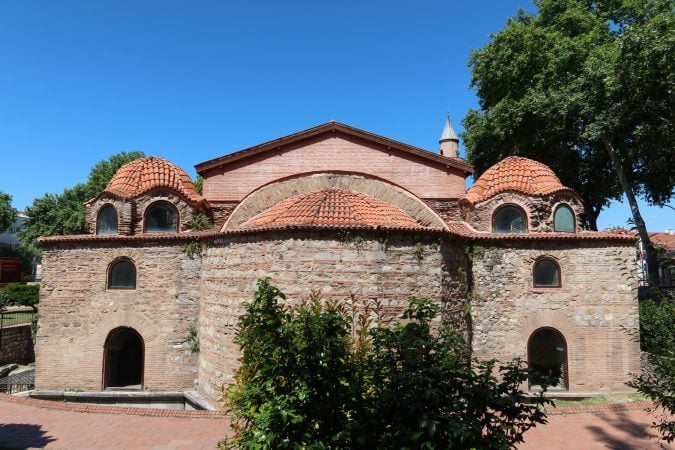
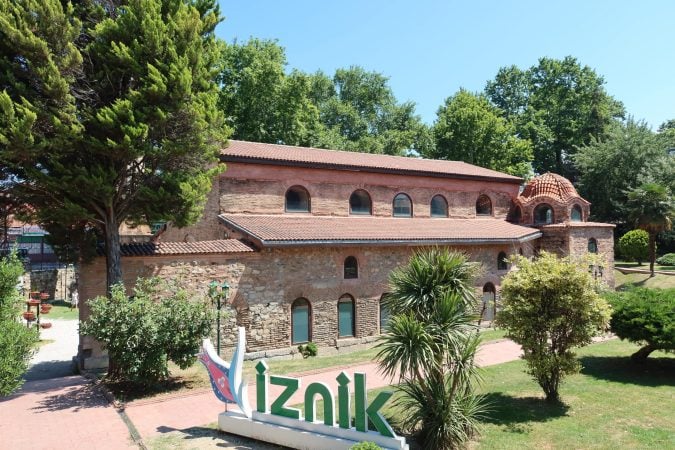
1. The Hagia Sophia of İznik (Orhan Mosque)
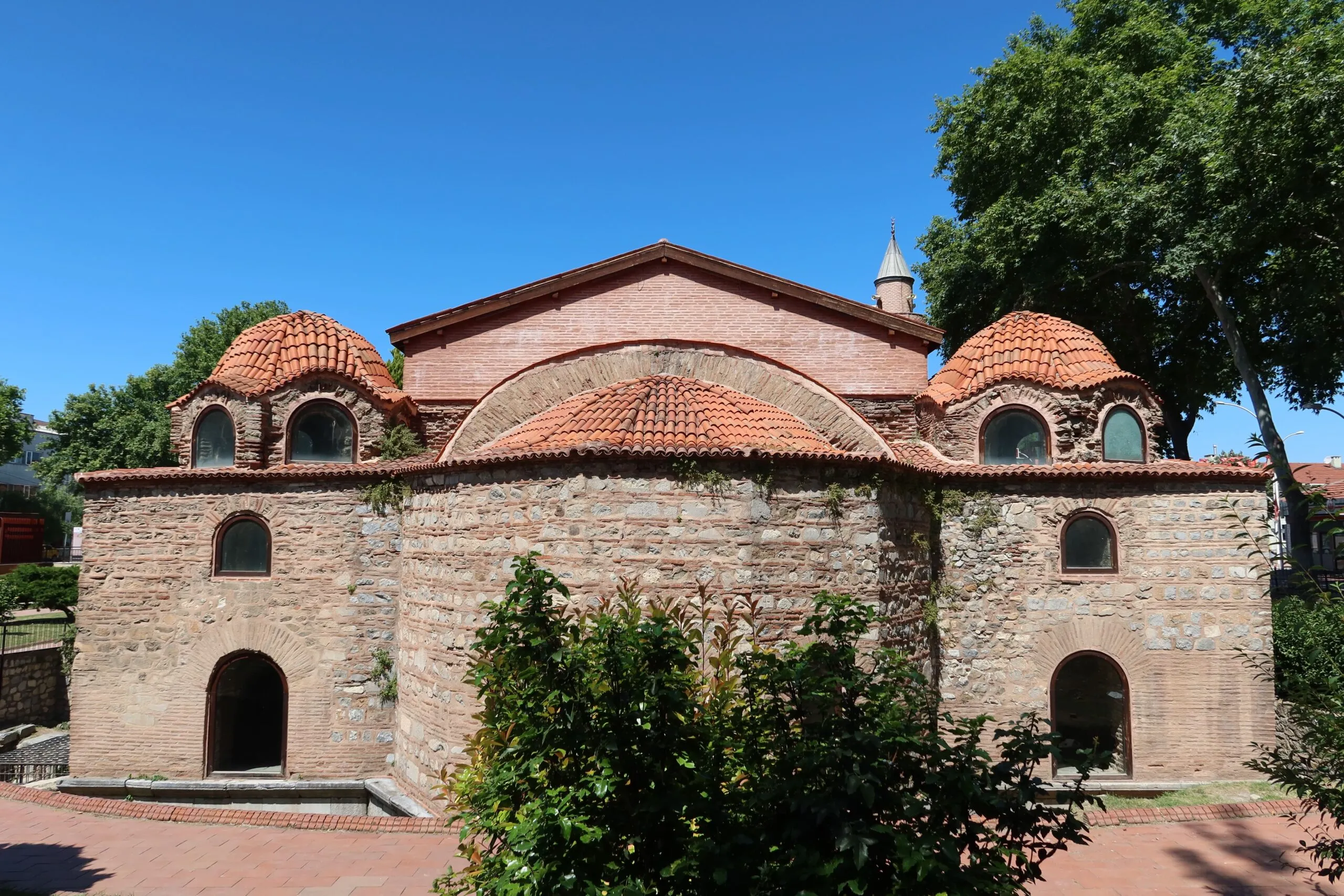
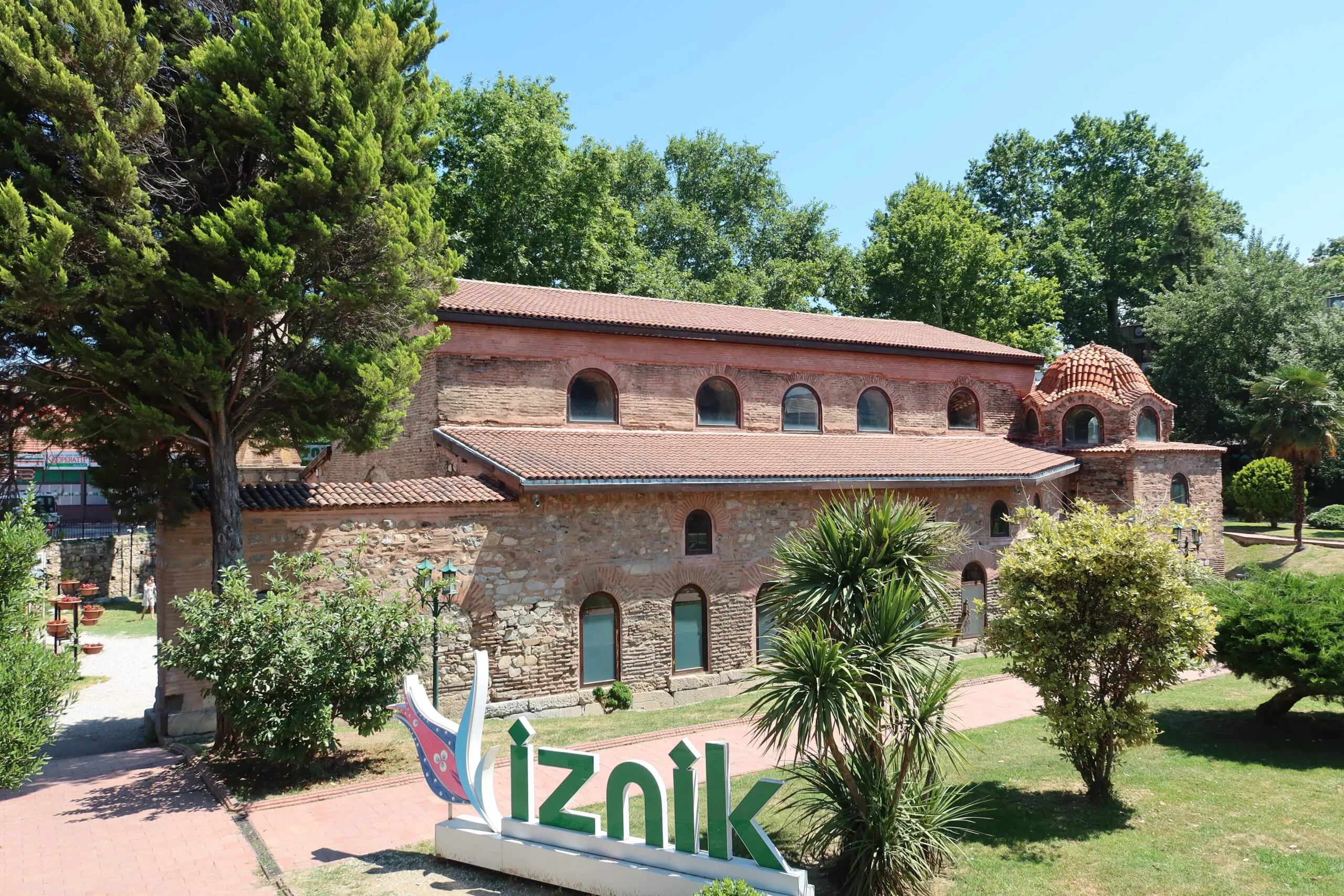
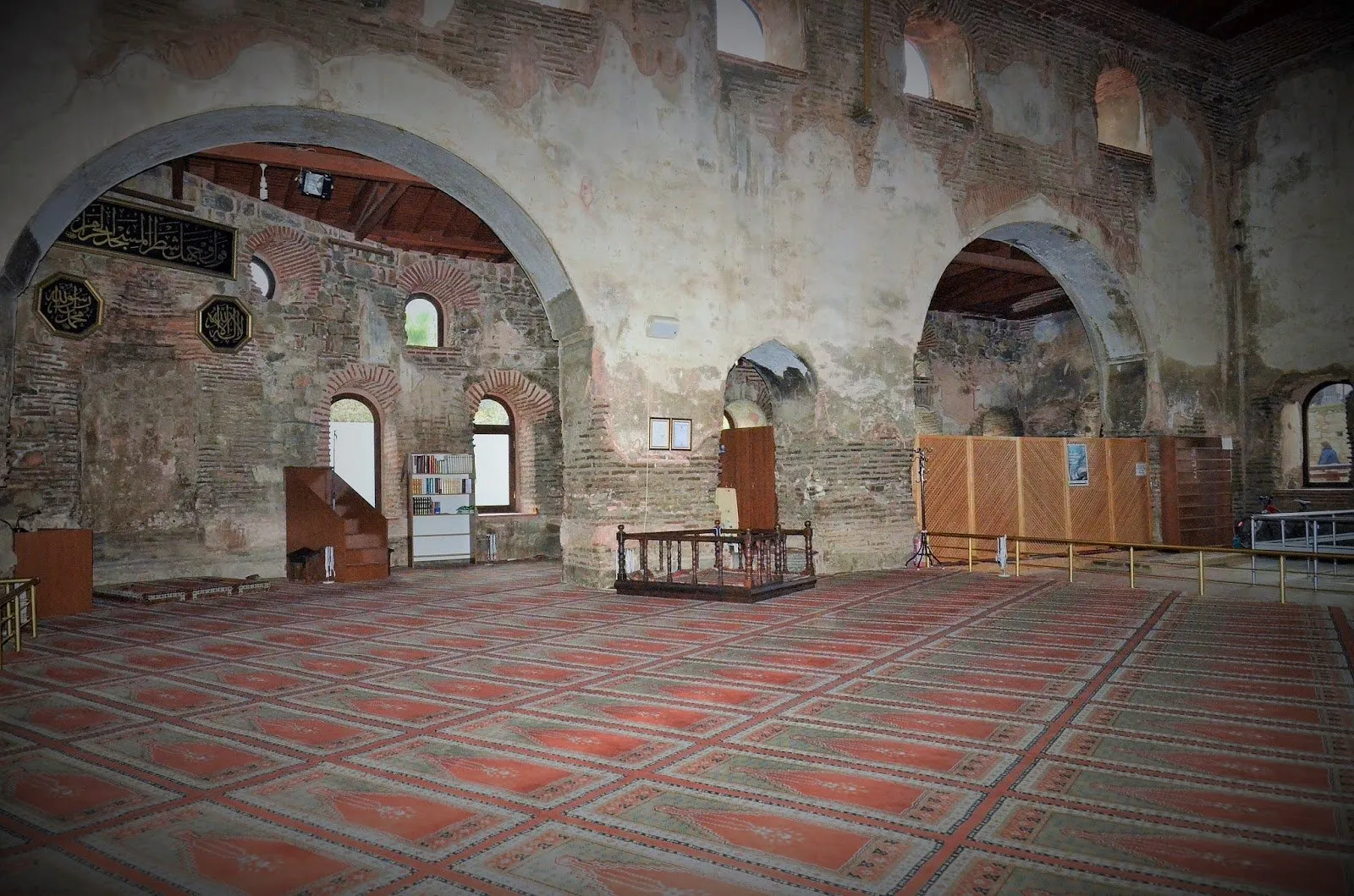
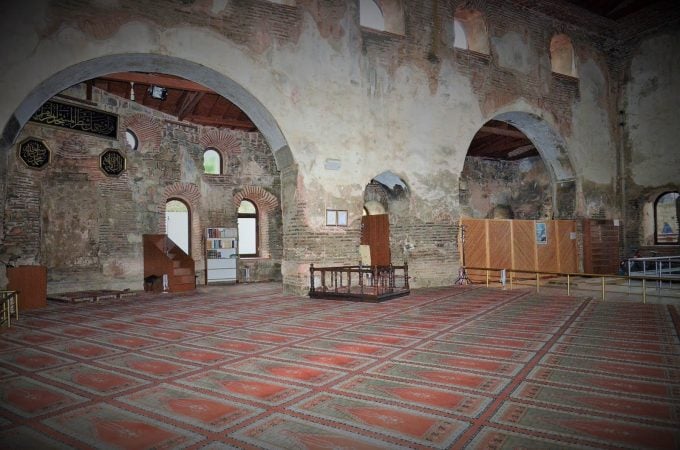
Located in the very heart of the walled city, where the four main roads meet, stands the
Hagia Sophia (Divine Wisdom). It is much older than its famous namesake in Istanbul.
- The History: Built as a basilica in the 6th century by Justinian, this is the actual site of the Seventh Ecumenical Council in AD 787. You can stand in the nave where the bishops sat.
- Transformation: After the Ottoman conquest in 1331, it became the Orhan Mosque. A fire later damaged it, but the great architect Mimar Sinan restored it in the 16th century.
- What to See: Look for the opus sectile floor mosaics (multi-colored geometric stones) and the faint traces of frescoes on the walls. Notice the syntronon (tiered seating for clergy) in the apse—a rare survivor from the Byzantine era.
- Visitor Tip: It is an active mosque today. Women should bring a scarf, and visitors must remove their shoes. It is open to visitors outside prayer times.
2. The Underwater Basilica (St. Neophytos)
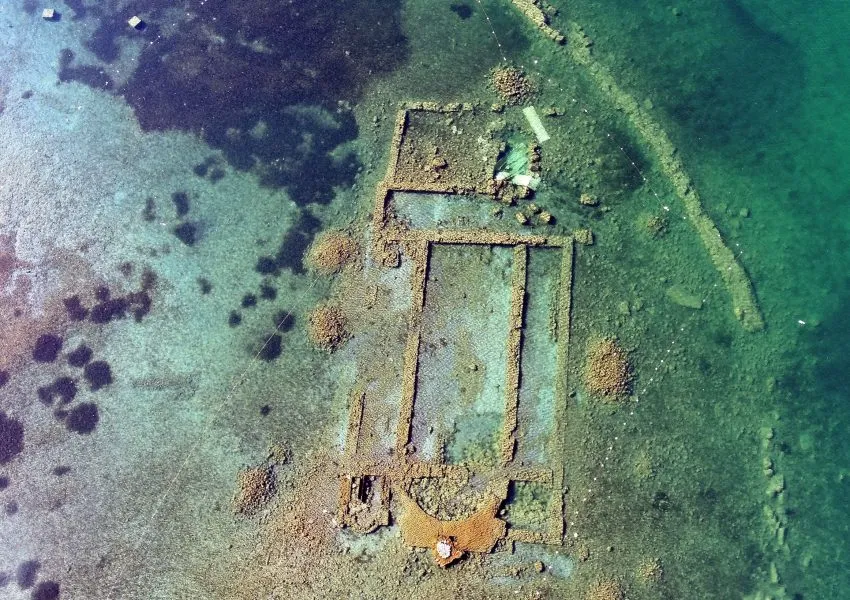
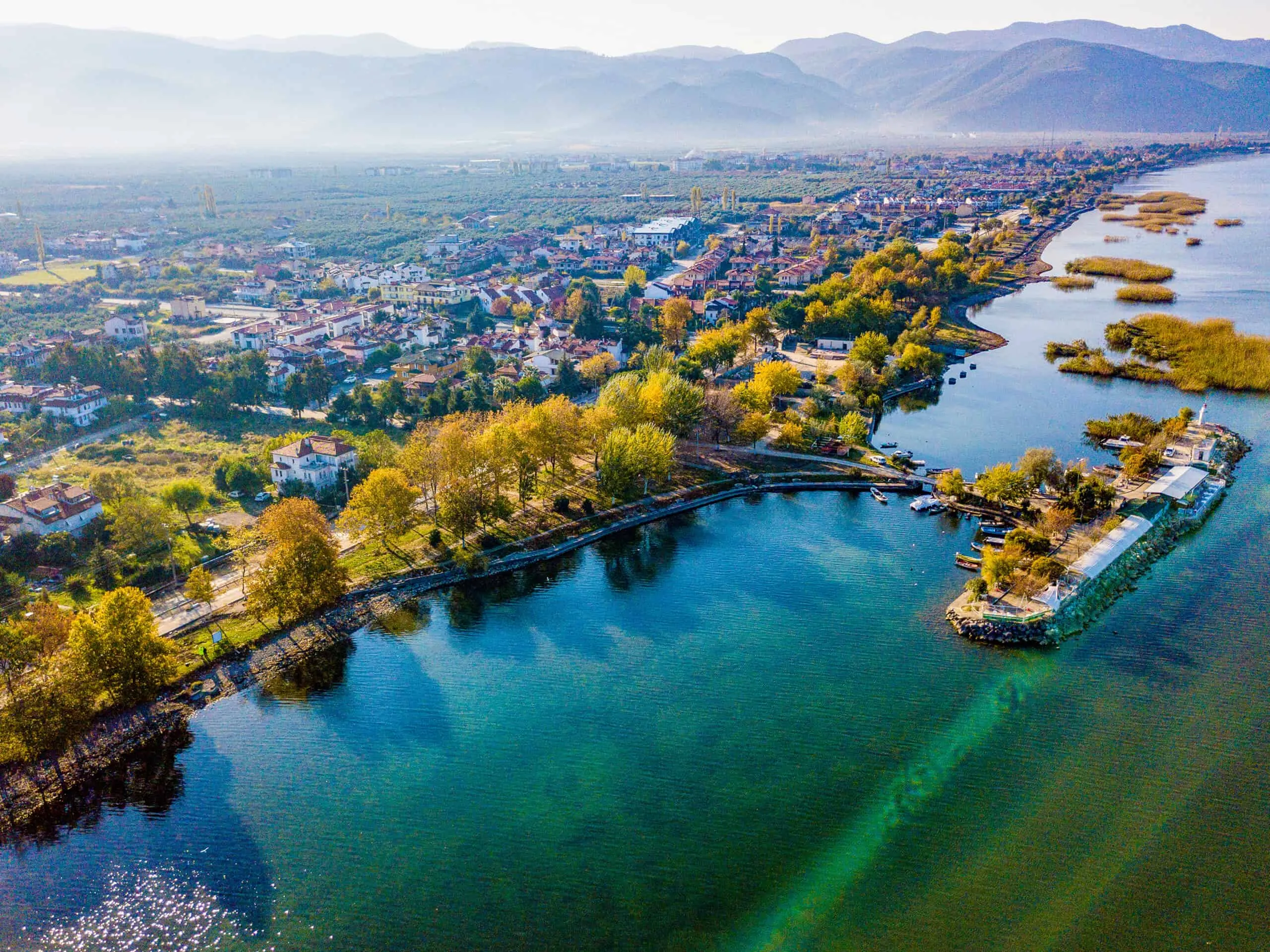
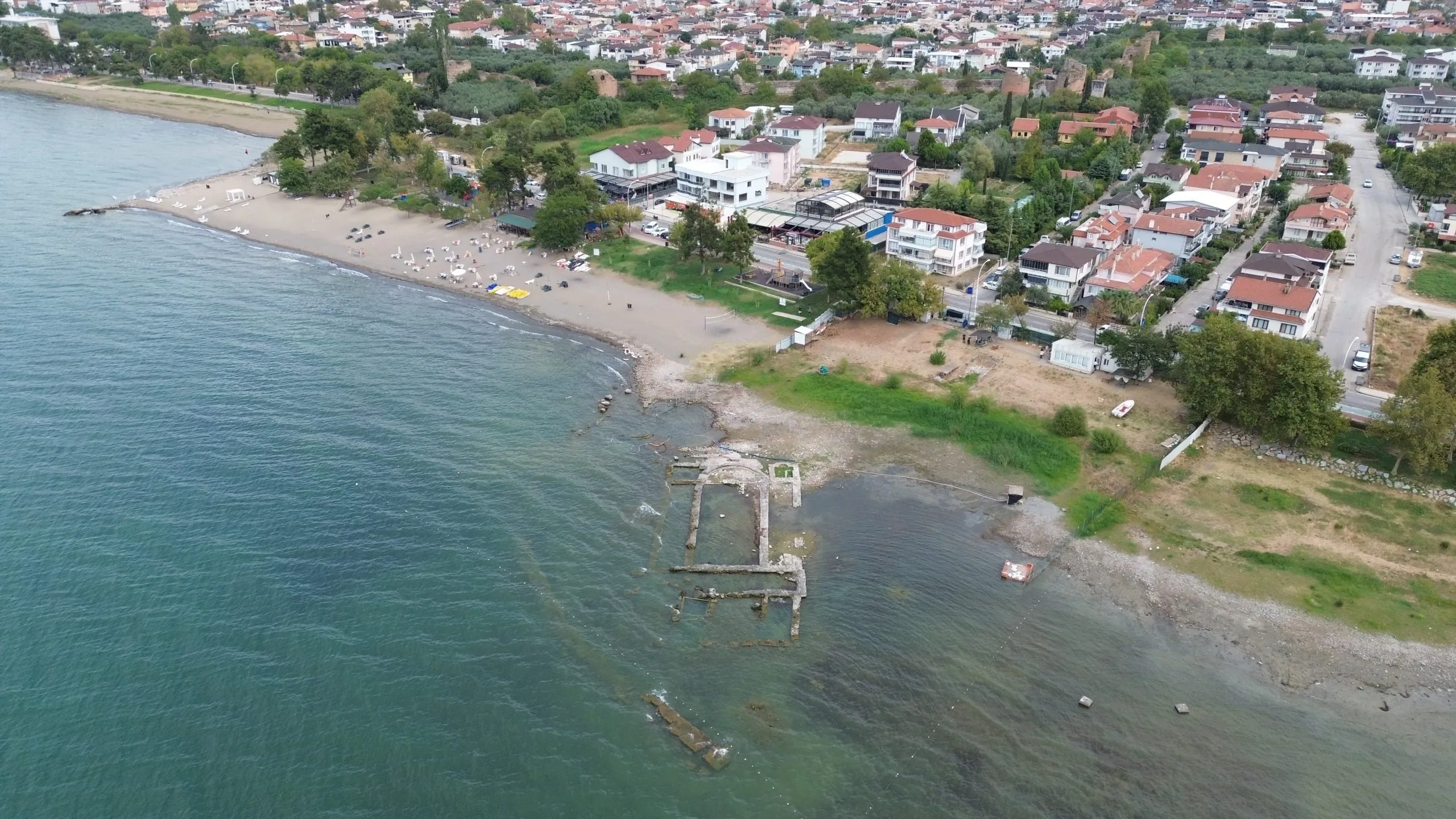
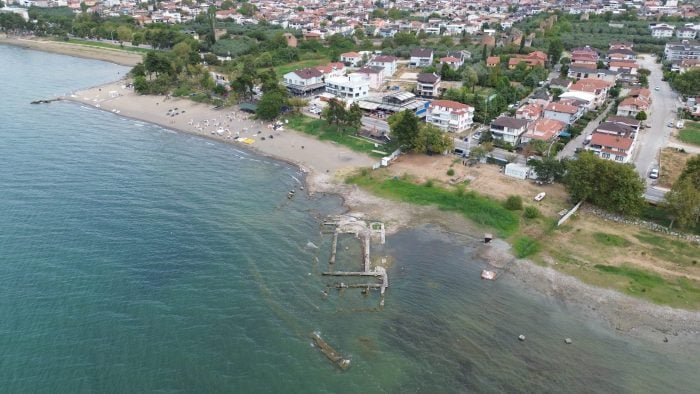
This is perhaps the most intriguing site in İznik. Discovered only in 2014 during an aerial survey, the ruins of a massive 4th-century basilica lie about 20 meters offshore in
Lake İznik.
- The Story: Archaeologists believe this church was built on the site of the martyrdom of St. Neophytos, a young saint killed during the persecutions of Diocletian (AD 303).
- The Mystery: Some historians speculate that the First Council of Nicaea might have held sessions here or in the nearby Senatus Palace, which may also be submerged.
- Current Status: The basilica is currently an "underwater museum." While you cannot walk inside, you can view the outline of the nave and apse from the shore on clear days. The Pope’s visit will focus on this sacred spot, emphasizing its rediscovery.
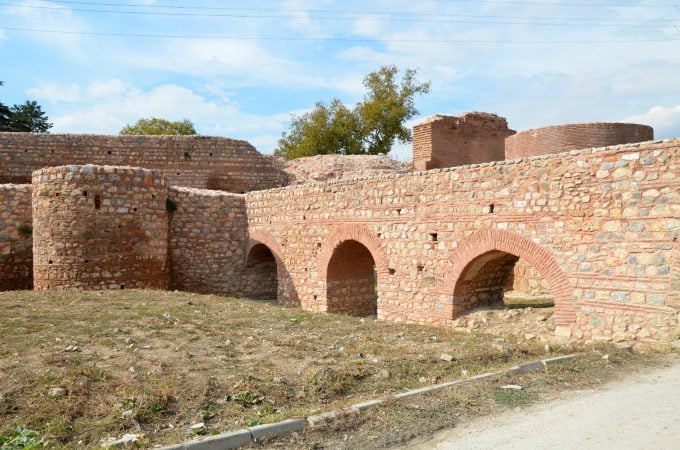
3. The Ancient City Walls and The Lefke Gate
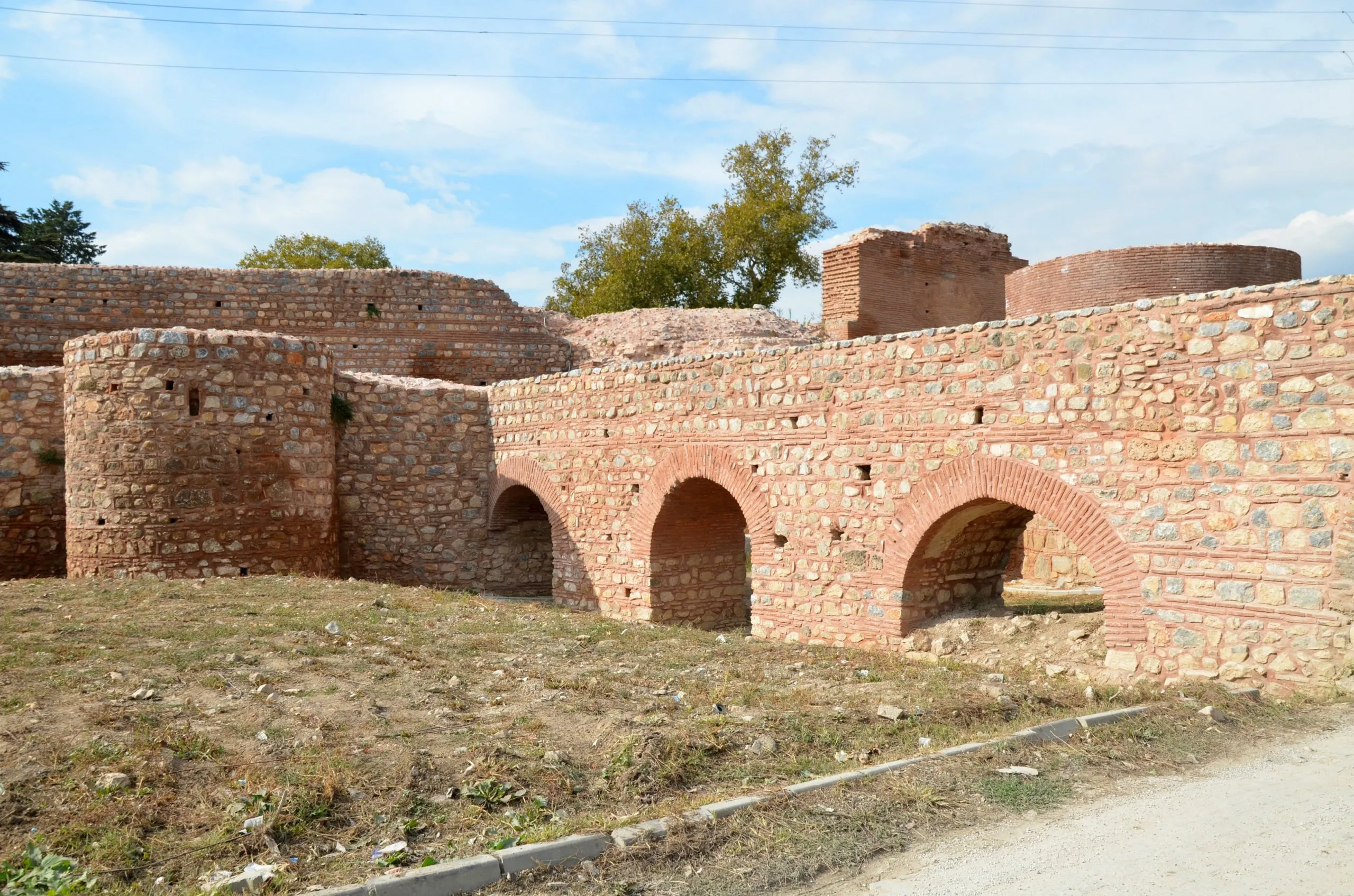
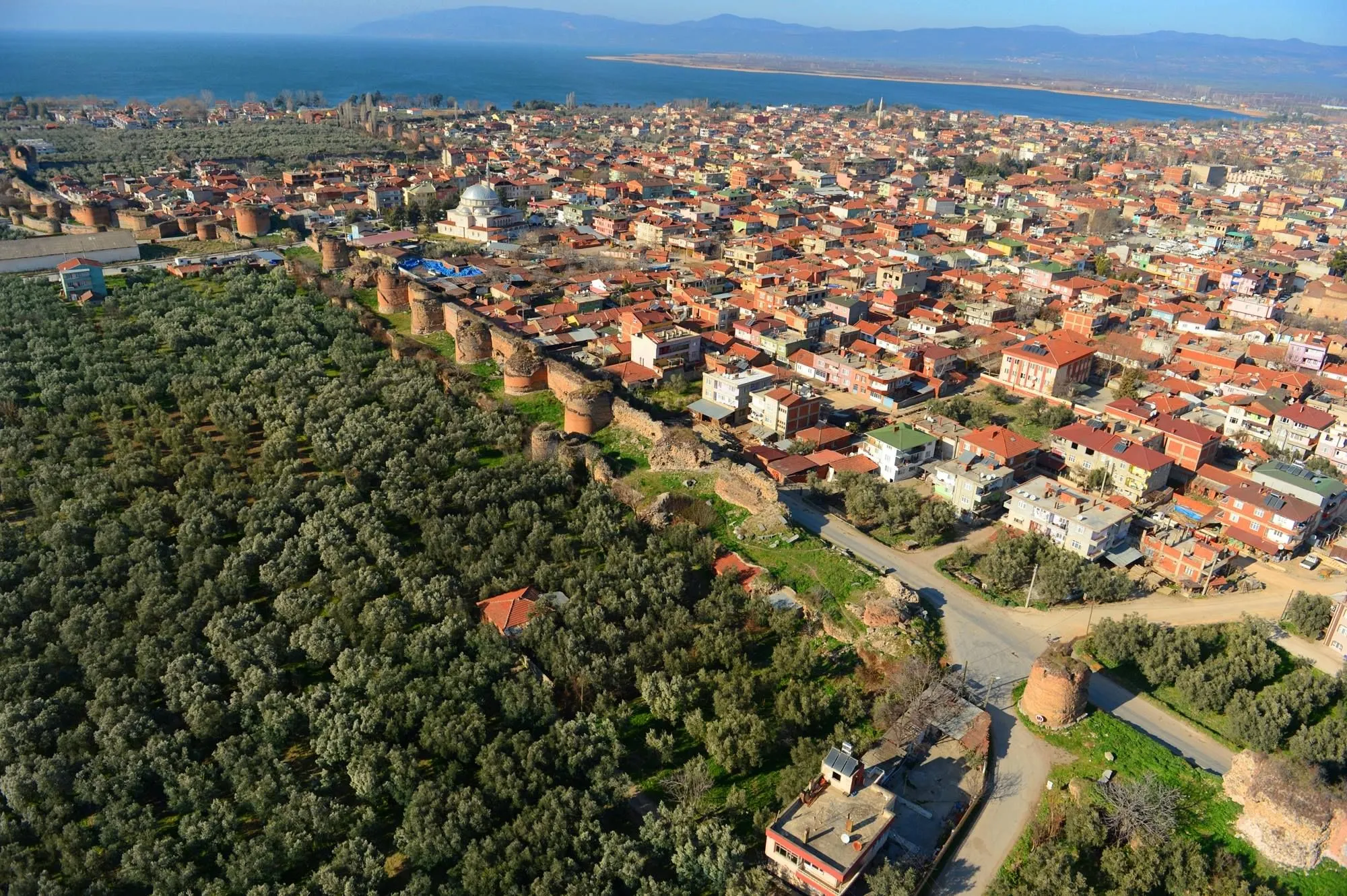
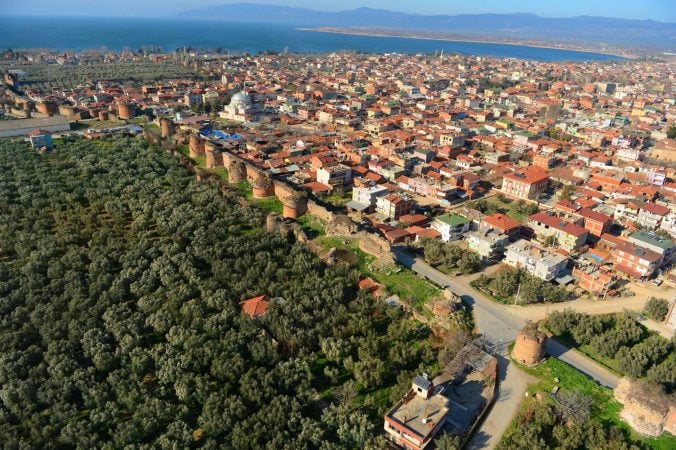
Nicaea is one of the few cities in the world where the ancient fortifications are largely intact. The
walls of İznik stretch for nearly 5 kilometers (3 miles) and feature over 100 towers. The
Lefke Gate (Eastern Gate) is the most beautiful. It actually consists of three separate gateways built one after another. As you walk through:
- Look for the ancient Greek and Roman inscriptions reused in the walls.
- Spot the relief carvings, including human figures and symbols.
- Notice the aqueduct nearby that once brought water into the city.
Photo Tip: The Lefke Gate is best photographed in the morning light when the sun illuminates the stone reliefs.
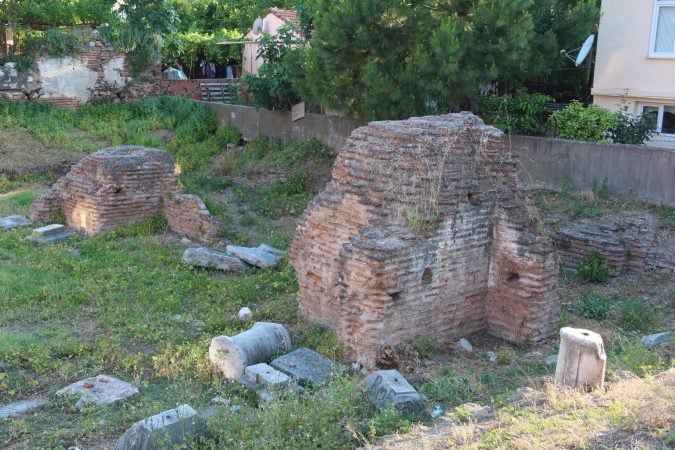
4. The Ruins of the Koimesis Church (Church of the Dormition)
For centuries, the
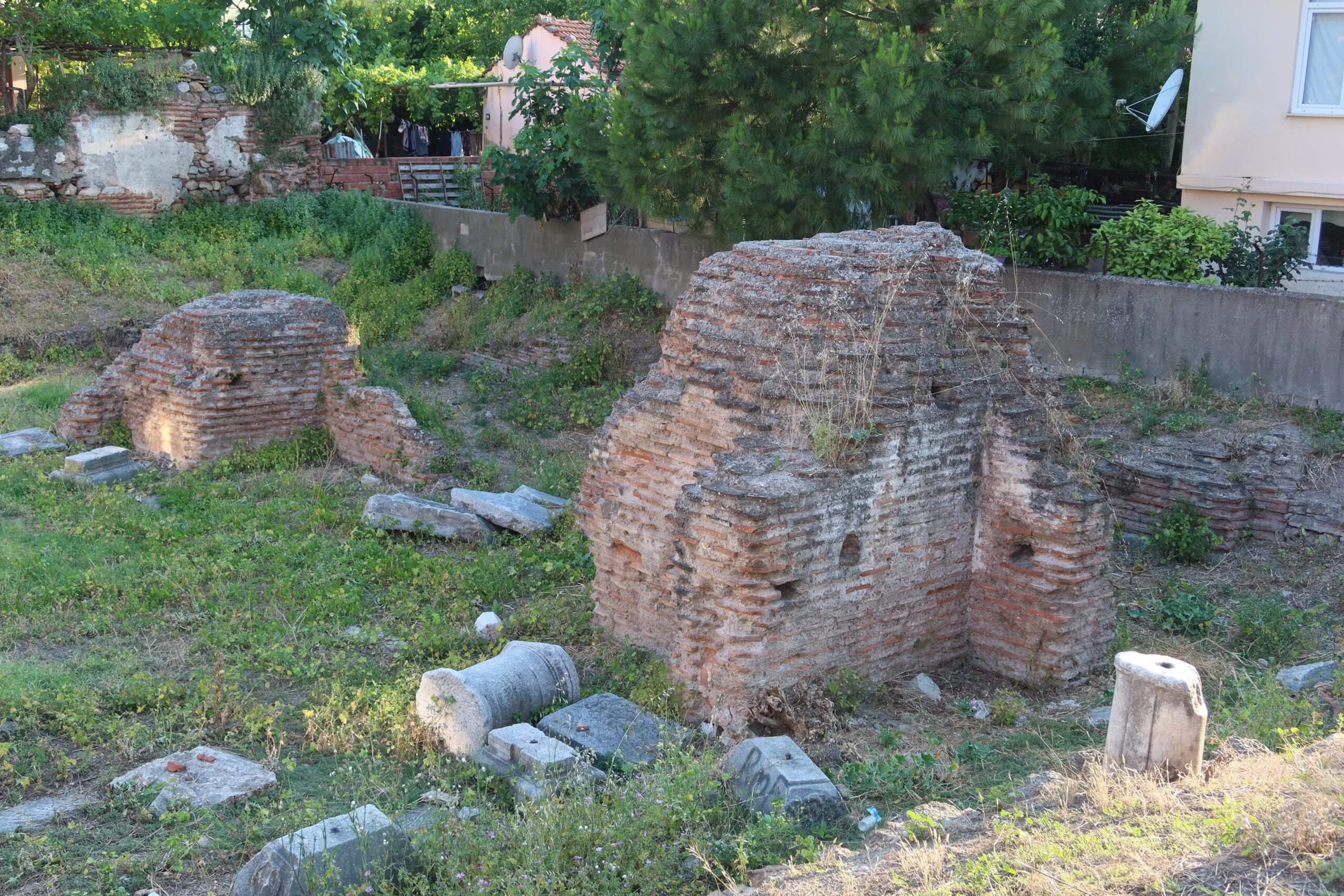
Koimesis Church was the most significant Byzantine structure in Nicaea, famous for its breathtaking mosaics that rivaled those in Constantinople. Tragically, it was destroyed in 1922 during the Greco-Turkish War. Today, only the foundations remain, located in the southeastern part of town. However, for the pilgrim, it is a site of deep reverence. It was the center of the Hyacinth Monastery and the burial place of the Byzantine Emperor Theodore I Laskaris. Visiting the ruins is a quiet reminder of the city's lost grandeur.
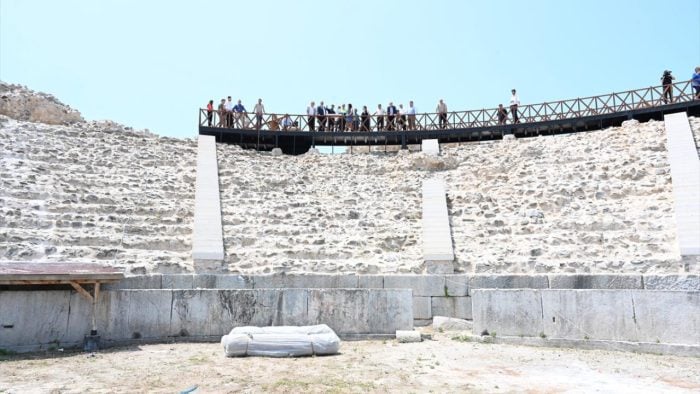
5. The Roman Theater
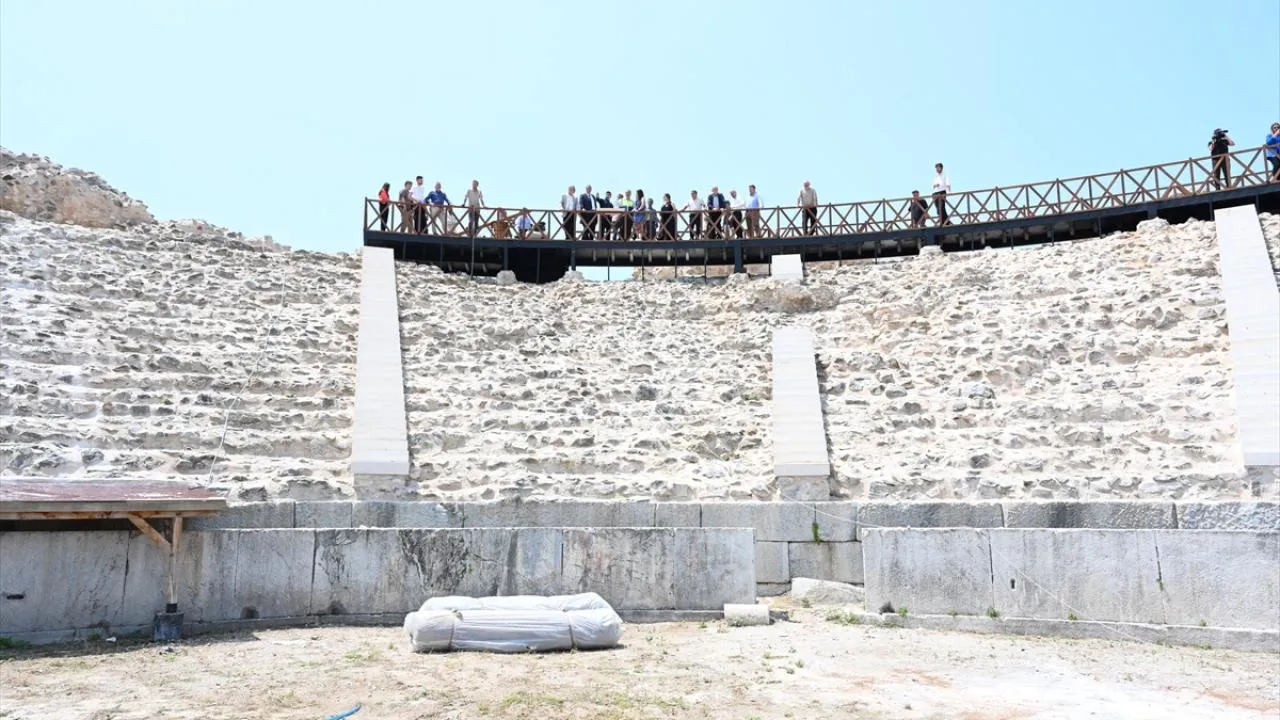
Located just outside the city walls to the southwest, the
Roman Theater was built by Emperor Trajan in the 2nd century AD. It was a massive structure capable of seating 15,000 people. It is currently an active archaeological site. While you may not be able to climb the seats depending on excavation work, viewing the massive arches and the scale of the structure helps you understand the Roman "Nicaea" that Pliny the Younger governed.
6. The Baptistery and "Böcek Ayazma"
Near the Koimesis ruins, there is a small, round structure often called the "Baptistery" or the "Böcek Ayazma" (Holy Spring). Early Christians used such sites for baptism rituals. The presence of holy springs (ayazma) throughout İznik testifies to its spiritual importance over the centuries.
The Ottoman Layer: Tiles and Green Mosque
While the Christian heritage is the focus of 2025, one cannot ignore the Ottoman beauty of İznik. After all, this town produced the tiles that decorate the Blue Mosque.
- The Green Mosque (Yeşil Cami): Located near the Lefke Gate, this is a masterpiece of early Ottoman architecture (14th century). Its minaret is decorated with teal and green ceramic tiles—hence the name.
- Nilüfer Hatun Museum: This building was originally a soup kitchen (imaret) for the poor. Today, it is a fantastic museum displaying Roman sarcophagi, Byzantine jewelry, and, of course, the world-famous İznik tiles. It provides the perfect context for the history you are walking through.
Suggested Itinerary: A Spiritual Day in Nicaea
Here is how we recommend spending your day to soak in the spirituality and history.
08:30 AM – Arrival at the Lefke Gate: Enter the city as the Romans did. Admire the fortifications.
11:00 AM – The Hagia Sophia: Spend time in the center of town. Reflect on the 7th Council. (Check prayer times to ensure entry).
12:30 AM – The Tile Workshops: Walk through the side streets. Watch artisans hand-paint traditional ceramic plates. It’s a meditative process.
13:00 PM – Lunch by the Lake (extra): Enjoy fresh grilled fish (silver fish or carp) or local meatballs (köfte) at a lakeside restaurant.
14:30 PM – The Underwater Basilica: Walk along the promenade to the site of the basilica. Even if you can't dive, the location is serene and perfect for contemplation.
16:00 PM – The Roman Theater & Museum: Finish your historical tour with the Roman roots of the city.
17:30 PM – Sunset: The sunset over Lake İznik is legendary. As the sun dips below the water, the silhouette of the ancient walls creates a timeless image.
🌍 Join Our Exclusive "Nicea Day Tour from Istanbul"
Do you want to walk in the footsteps of the early Church Fathers? Are you interested in a hassle-free journey to the site of the First Council? We organize daily, private, and small-group tours from Istanbul to İznik. Our expert guides specialize in
Biblical History and will take you to every site mentioned in this article.
Tour Highlights:- Transport from your Istanbul hotel.
- Guided visits to Hagia Sophia, the City Walls, and the Underwater Basilica viewing point.
- A traditional ceramic workshop demonstration.
Practical Travel Tips for 2025-2026
How to Get to İznik from Istanbul by yourself:- By Car: The Osmangazi Bridge has made the trip very fast (approx. 1.5 - 2 hours). It is a scenic drive through the Turkish countryside.
- By Ferry: Take the IDO Ferry from Yenikapı (Istanbul) to Yalova. From Yalova, local minibuses (dolmuş) run regularly to İznik (about 1 hour).
Best Time to Visit: While the Pope’s visit is in November, İznik is beautiful year-round.
Spring (April-May) and
Autumn (Sept-Nov) offer the best weather for walking the outdoor ruins. Summer can be hot, but the lake breeze helps.
What to Eat: Don't leave without trying
İznik Olives (some of the best in the world) and "Yayın" (catfish) or "Sazan" (carp) from the lake. For dessert, try the local candied fruits.
Conclusion: A Pilgrimage for the Modern Traveler
Whether you are a devout pilgrim coming to honor the 1700th anniversary of the Nicene Creed, or a history lover fascinated by the layers of Roman and Ottoman culture, İznik offers a profound experience. Walking these cobblestone streets, you realize that this isn't just a museum; it's a living testament to human faith and artistic achievement. The walls that protected the city for 2000 years are still standing, inviting you to come and hear their stories.
Ready to explore? Contact us today to plan your trip to the Cradle of Christian History.