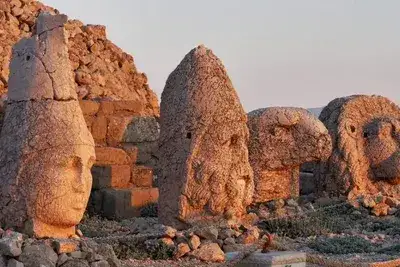
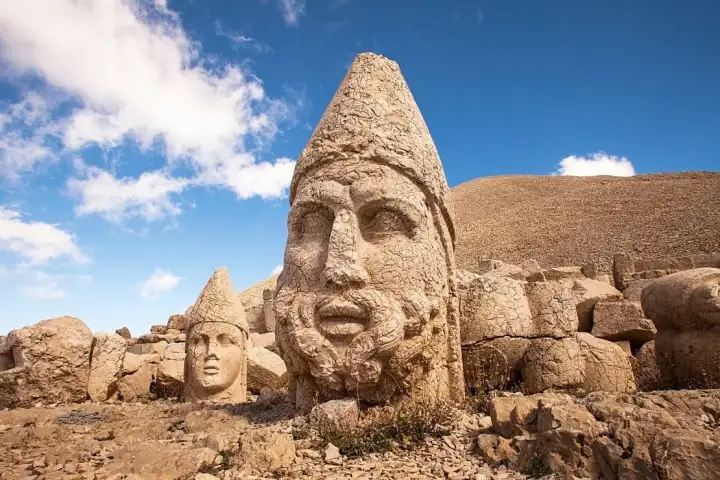
Göbeklitepe rewrites what we thought we knew about the origins of religion, communal life, and monumental architecture. Rising on a stony ridge northeast of Şanlıurfa (Urfa), these
T-shaped pillars and circular enclosures were erected by hunter-gatherers in the
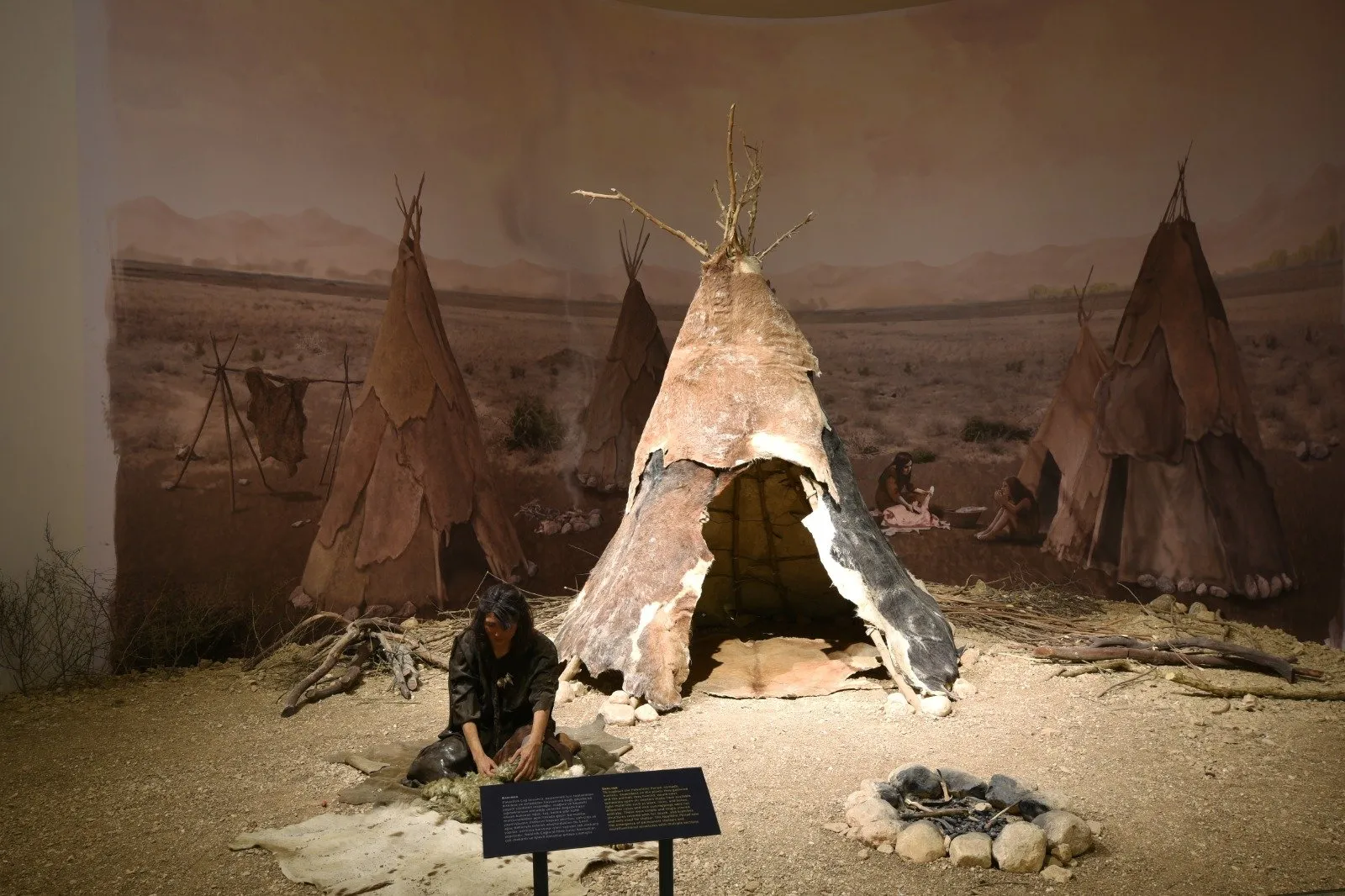
Pre-Pottery Neolithic millennia—thousands of years before writing, pottery, or metal. With intricate animal reliefs, towering megaliths, and intentional backfill, the site challenges the linear idea that
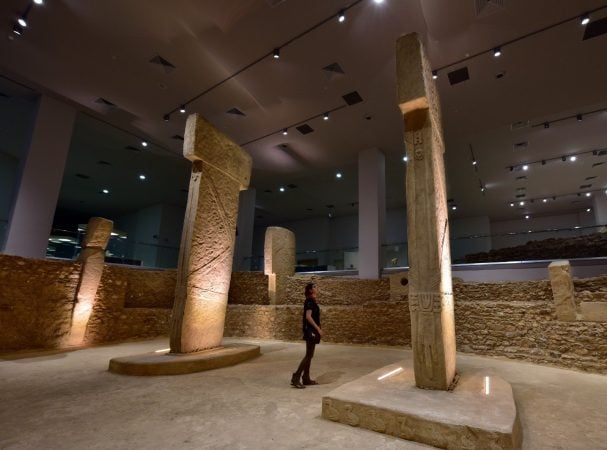
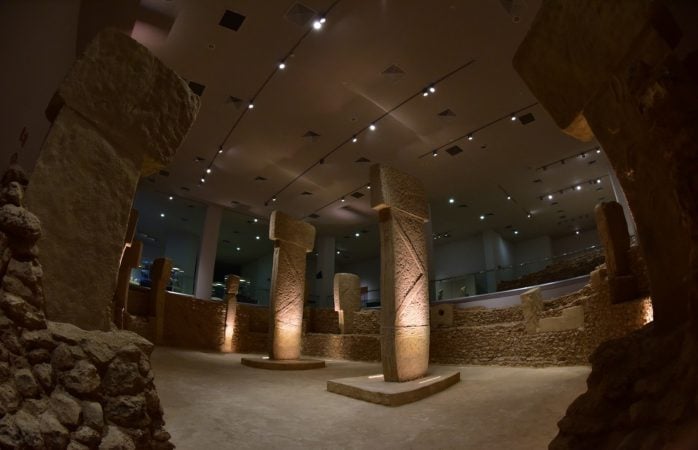
agriculture came first and complex ritual life second. Today, protected by a modern canopy, Göbeklitepe welcomes visitors who want to stand at the threshold of deep human time.
Plan smarter while you read: Browse hand-picked tours like the popular
Göbeklitepe Day Trip from Istanbul, multi-day heritage routes such as
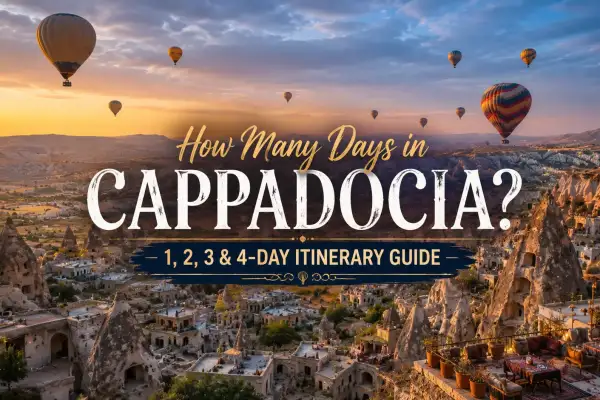
8 Days Turkey Heritage (Nemrut ➝ Göbeklitepe ➝ Cappadocia ➝ Pamukkale ➝ Ephesus), or regional combos starting in Gaziantep and Cappadocia.
1) Geographical Location of Göbeklitepe
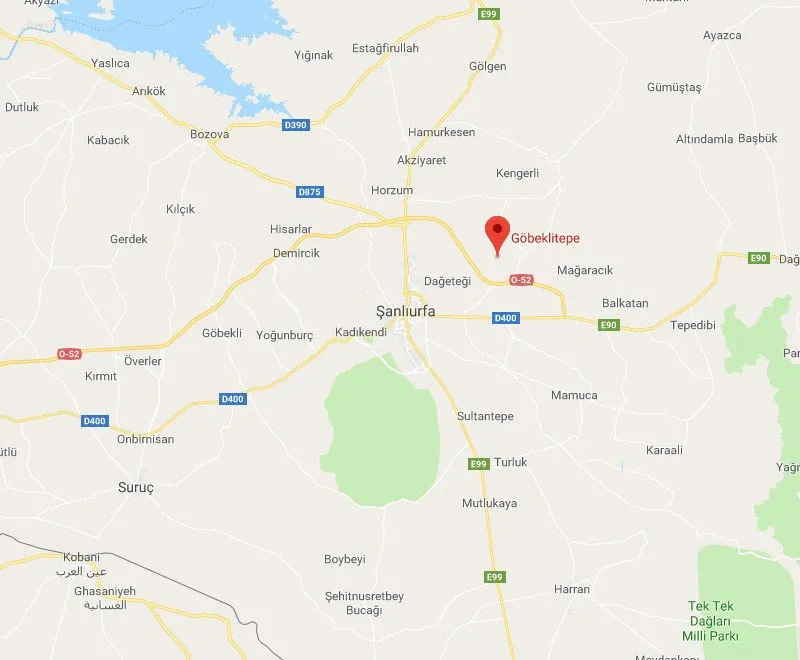
Göbeklitepe sits about
20 km northeast of Şanlıurfa (Urfa), near
Örencik village, on a limestone ridge with sweeping views of the Harran plain. The tell (mound) spans roughly
300 meters across and rises about
15 meters, with multiple
circular and oval enclosures discovered beneath deliberate backfill.
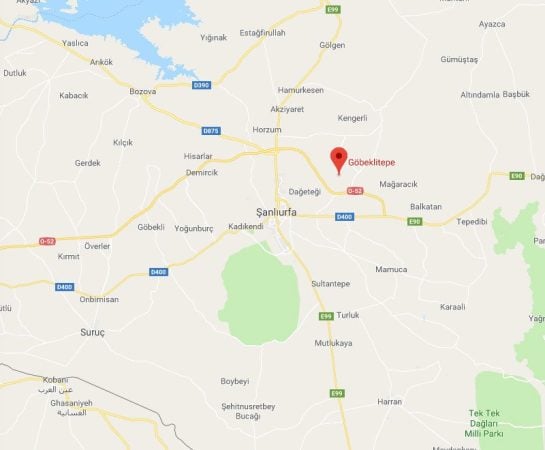
Location of Göbeklitepe
Category hub for planning:Eastern Turkey Tours – discover Nemrut, Göbeklitepe, Halfeti, Mardin, Gaziantep, and more.
2) The Largest & Oldest Known Monumental Temple Complex
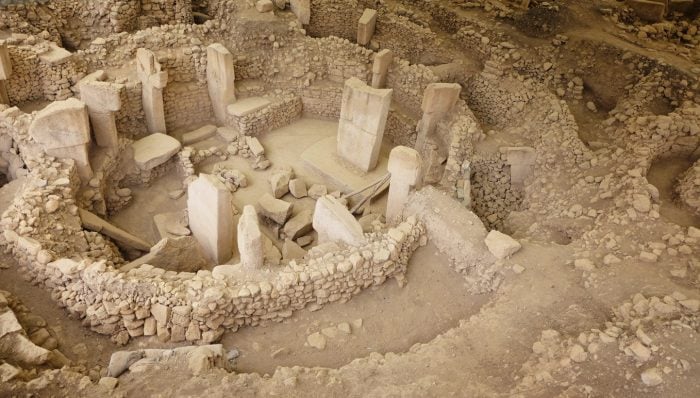
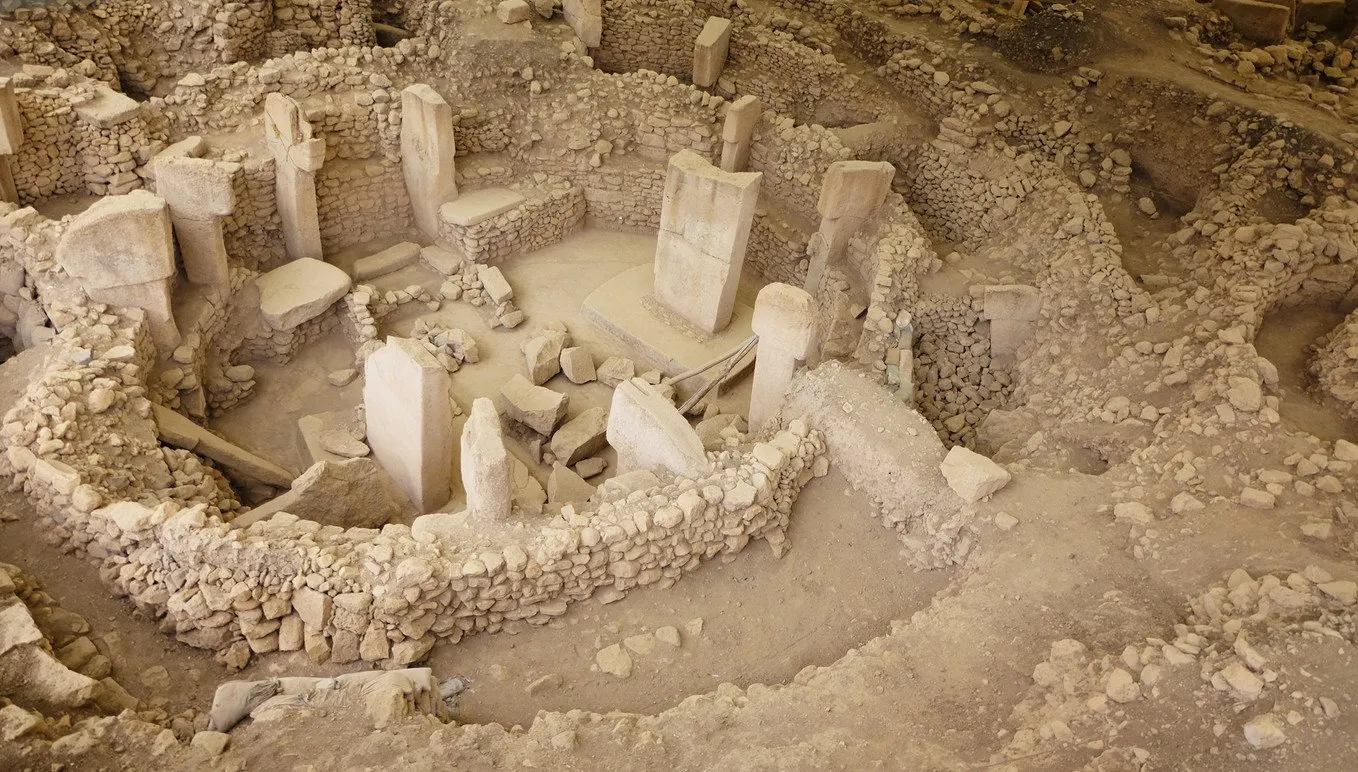
Göbeklitepe is the oldest temple in the world. Radiocarbon dates place Göbeklitepe deep in the
Pre-Pottery Neolithic A (PPNA) and early
PPNB, roughly the 10th–9th millennia BCE. The site comprises
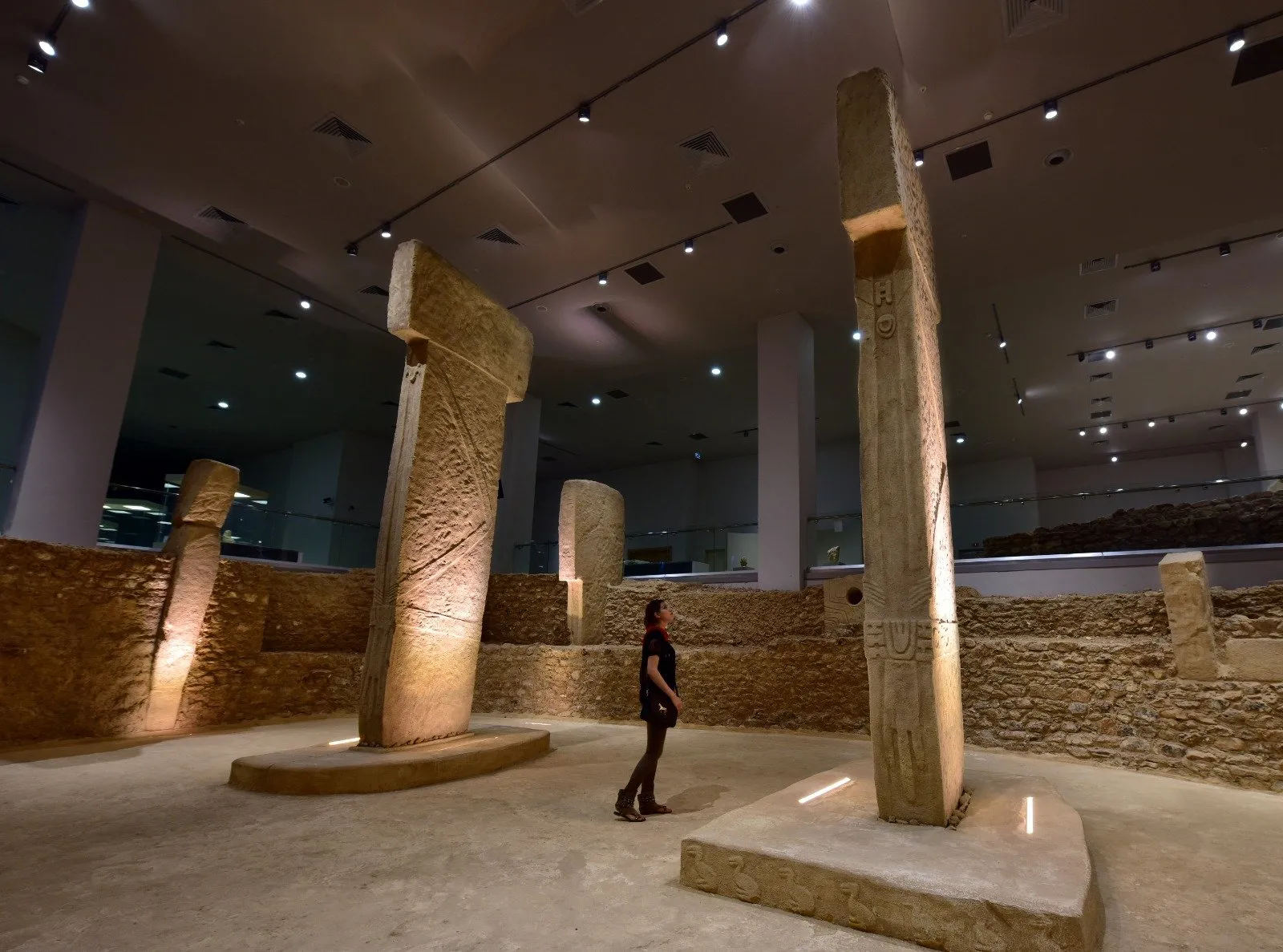
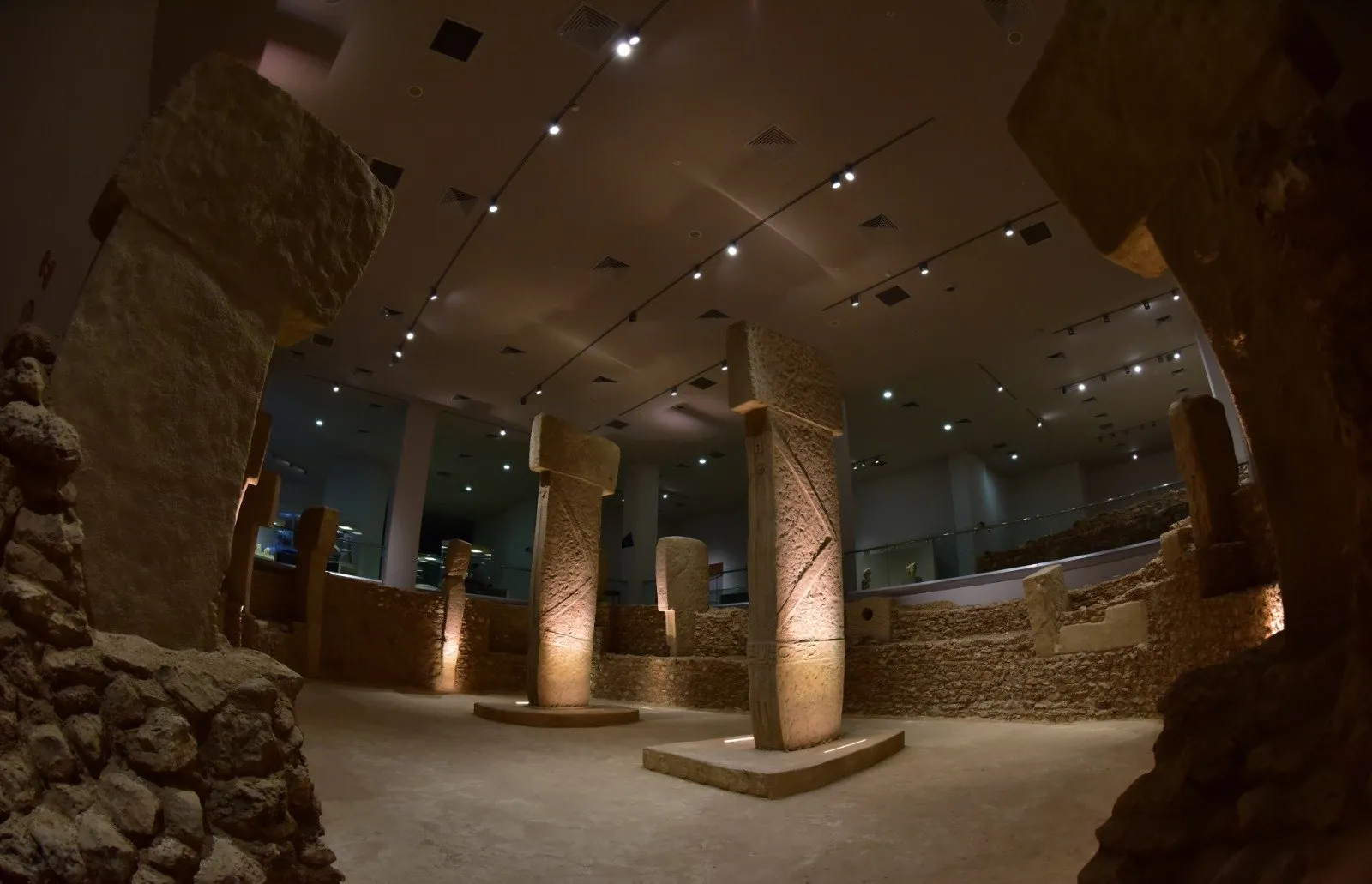
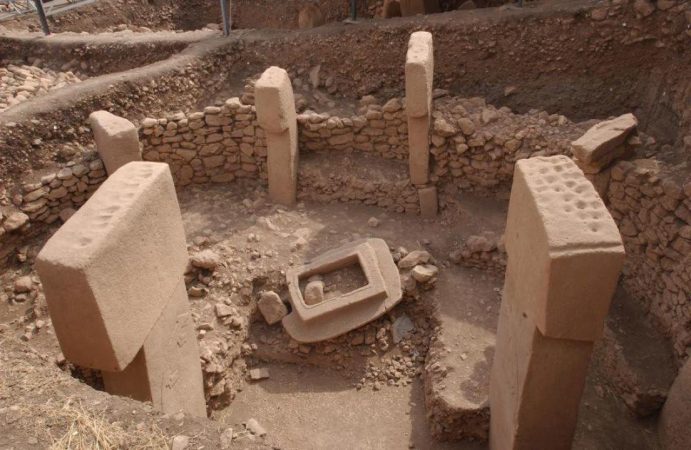
multiple circular enclosures (often cited ~20+) with pairs of towering
T-shaped pillars at their centers, surrounded by smaller pillars embedded in stone walls. Only a fraction has been fully excavated; the scale hints at sustained, coordinated building over centuries.
See it in a single day:Göbeklitepe Day Tour from Istanbul – seamless flights, transfers, and expert guiding.
3) Older Than Stonehenge, Older Than the Pyramids
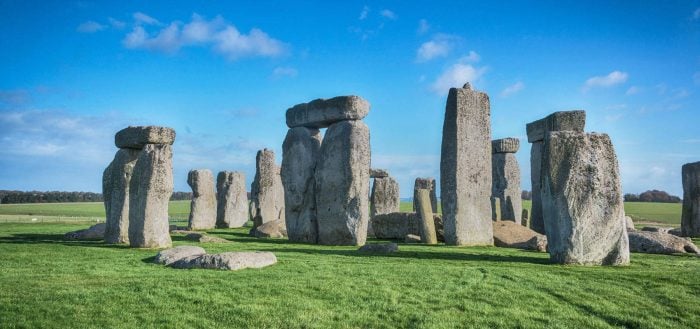
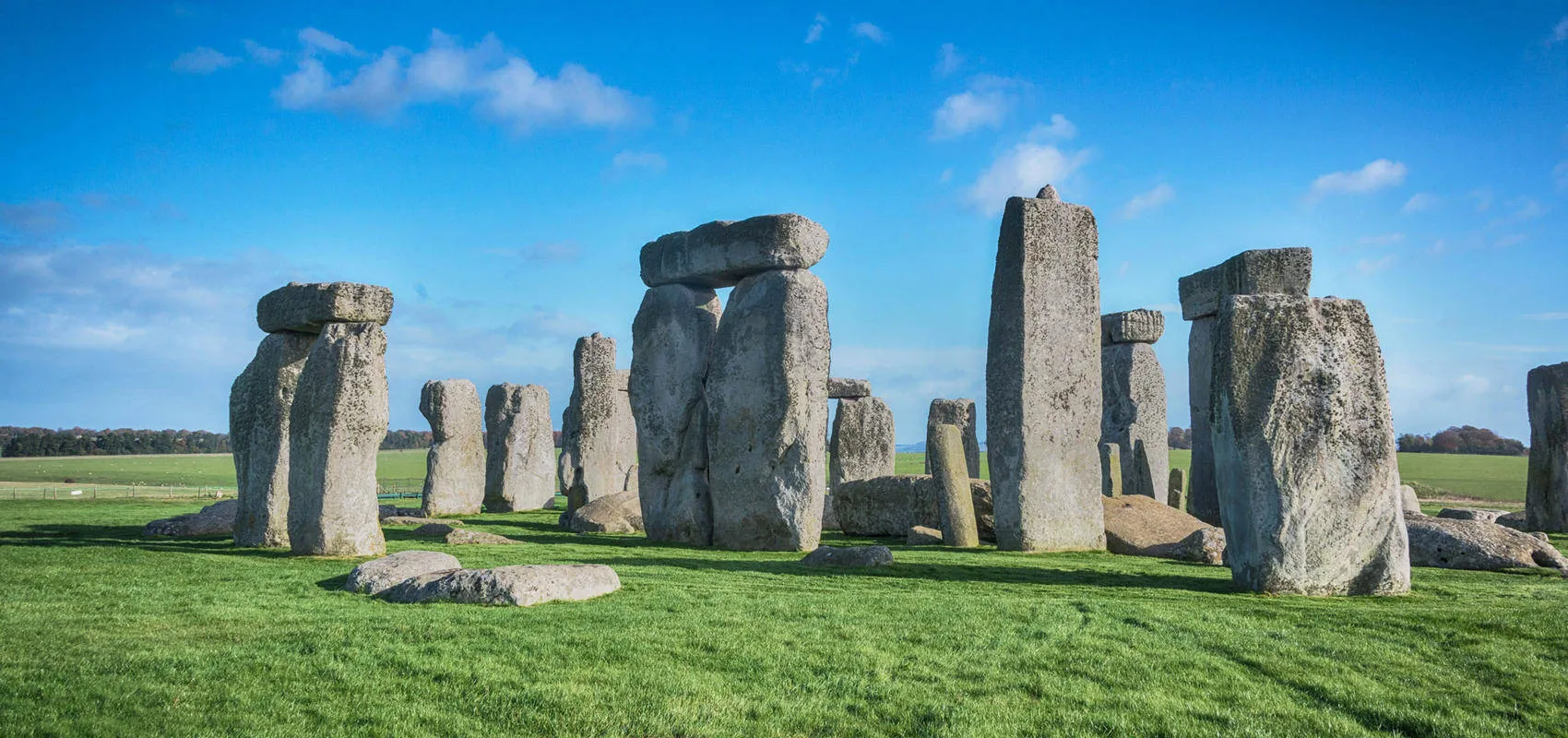
Stonehenge / England Popular comparisons help contextualize Göbeklitepe’s antiquity. While
Stonehenge (United Kingdom) and the
Egyptian pyramids dazzled later civilizations, Göbeklitepe’s megaliths predate them by millennia. The key takeaway for travelers:
you’re looking at ritual architecture from the dawn of monumental building, at a time when communities were transitioning from mobile lifeways to more settled patterns.
4) Shaping Rock & Raising Megaliths Without Wheels or Beasts of Burden
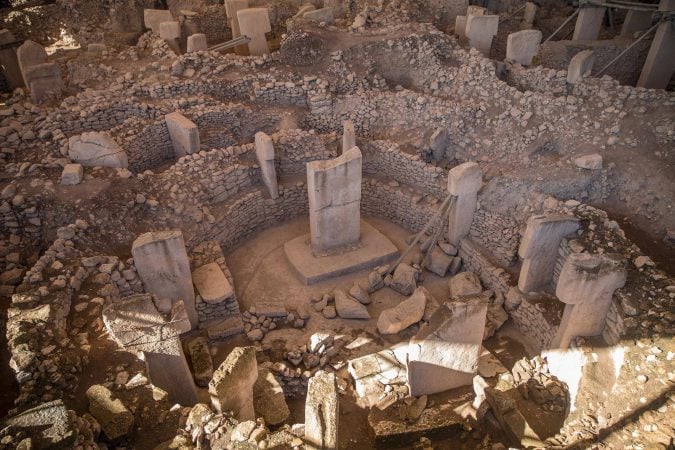
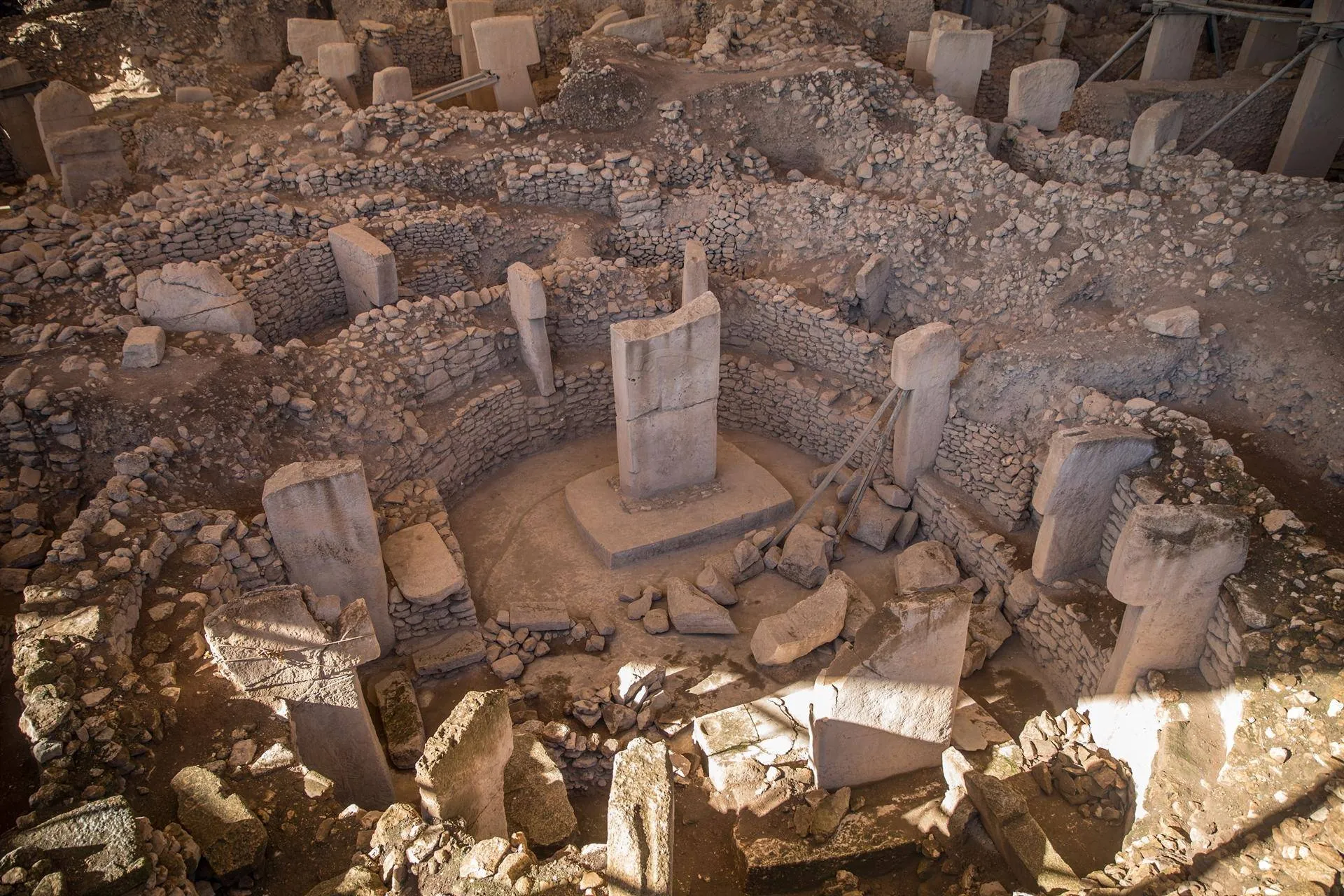
The pillars were quarried from local limestone, fashioned with stone hammers and polishers, then moved short distances—likely using sledges, rollers, ropes, leverage, and lots of teamwork. Central pillars stand
approximately 3–6 meters tall. Even today, standing beneath them is humbling; the scale alone implies complex planning, seasonal labor gatherings, and specialist knowledge.
5) From Cave Wall Imagery to High-Relief Sculpture
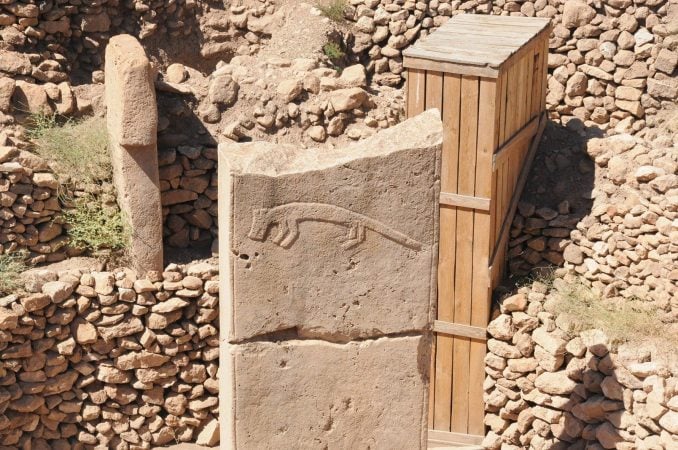
Animal Figure in Göbeklitepe Göbeklitepe’s
relief carvings—foxes, boars, serpents, scorpions, cranes, wildcats, and more—reveal an artistic vocabulary distinct from cave paintings. Some scholars view these as
cosmological symbols or
clan totems, others as narratives of a perilous world navigated through ritual. Either way, the move from painted surfaces to sculpted stone marks a leap in symbolic expression.
6) The Ancestor of Wheat & The Karacadağ Connection

Genetic studies point to the
Karacadağ region (southeast of Göbeklitepe) as a key zone in the
domestication of einkorn wheat. While debates continue, Göbeklitepe sits within a broader landscape where humans were experimenting with plant use, tending wild stands, and eventually cultivating cereals—possibly accelerated by
feasting needs at communal gatherings.
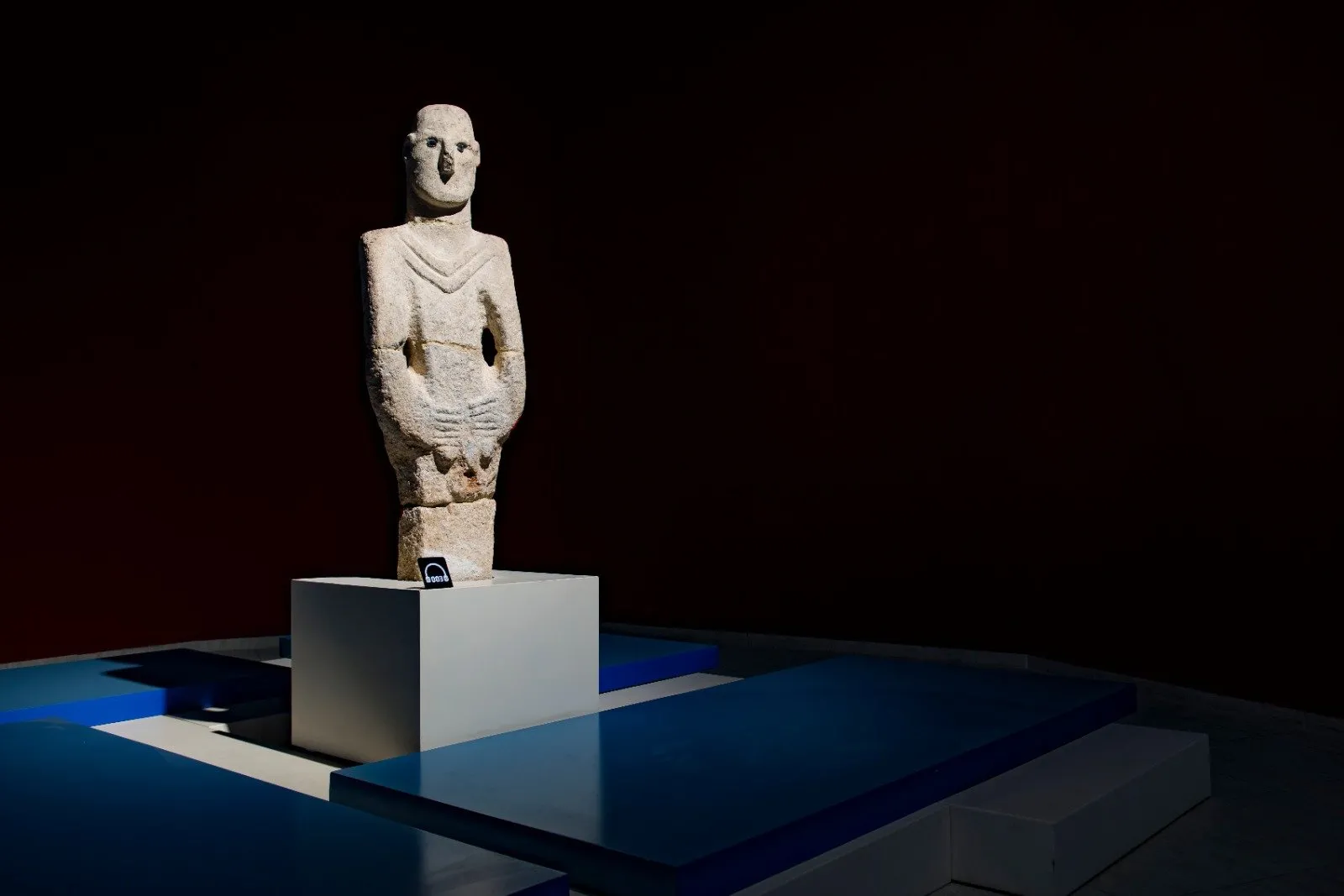
7) T-Shaped Pillars: Stylized Humans with Hands, Belts & Animals
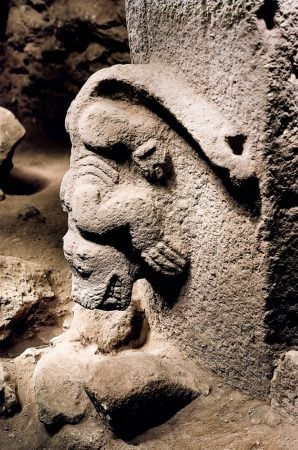
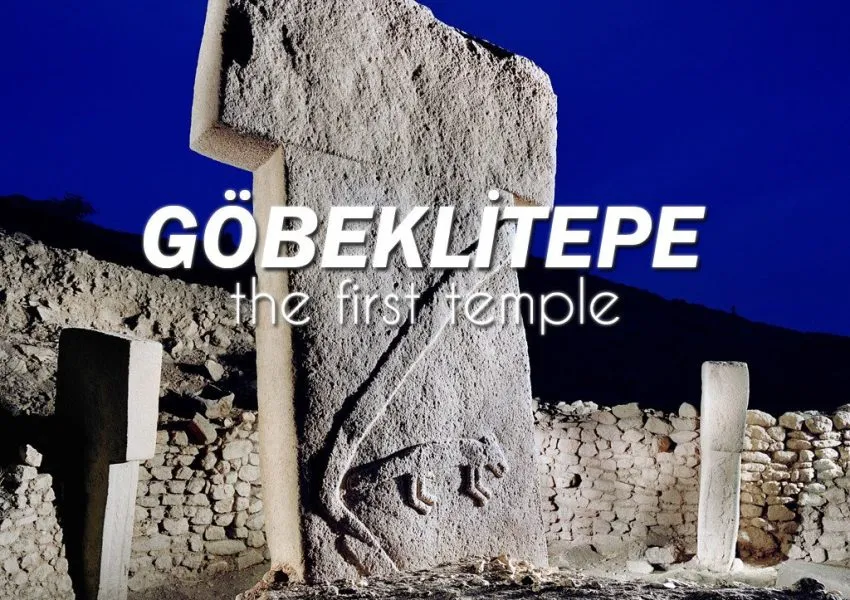
Gobeklitepe / Lion Figure Most specialists agree: the T-pillars likely represent
anthropomorphic beings. Several pillars show
carved hands,
belts, and
loincloths. Animals adorn the surfaces in relief, including
3-dimensional elements in rare cases. Whether these are deities, ancestors, or masked ritual leaders remains open—but the human presence is unmistakable.
8) The Archaeological Revolution Sparked by a Farmer’s Find
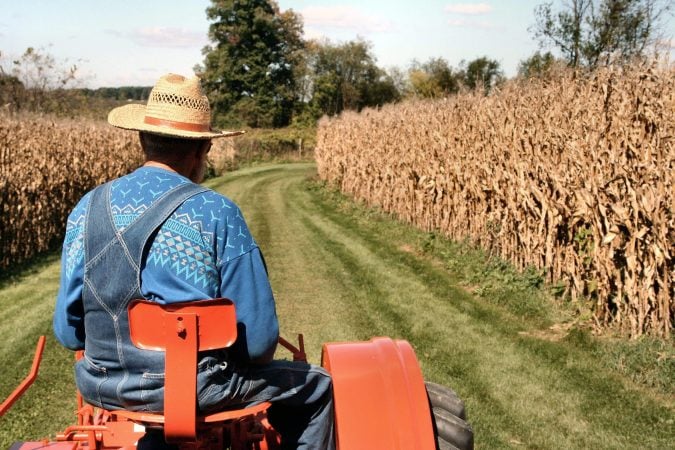
Local farmer
Mahmut Kılıç unearthed carved stones in the 1980s while plowing, but the implications were not immediately recognized. Early academic surveys didn’t grasp the site’s magnitude either. Only in the 1990s did Göbeklitepe begin to command the attention it deserved.
9) Formal Excavations Began in 1995
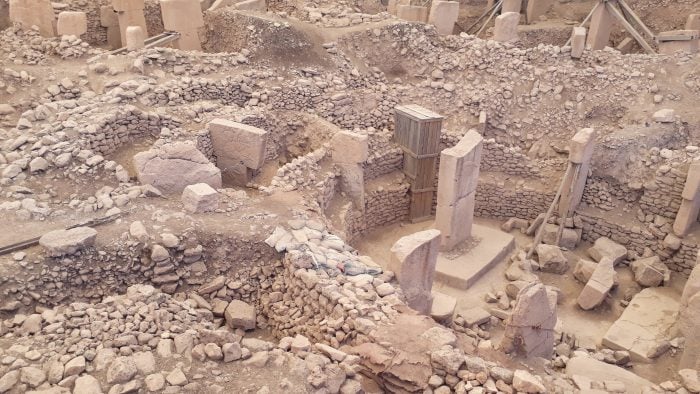
Excavations took off in
1995 under the leadership of the
Şanlıurfa Museum with scientific direction by
Prof. Dr. Klaus Schmidt and the German Archaeological Institute. Schmidt’s decades of work (he became excavation director in 2007) and subsequent teams revealed successive enclosures, refined dating, and the extraordinary complexity of the site. Today, conservation structures—including a broad protective canopy and raised walkways—give visitors clear views into the past.
Combine sites over 2–4 days:2 Days Göbeklitepe + Zeugma + Halfeti (from Gaziantep) •
4 Days Nemrut + Göbeklitepe + Halfeti (from Cappadocia)
10) A Warning From 2010: Theft at the Dig
In 2010, a carved head—reportedly about 40 cm tall and 25–30 kg—was stolen shortly after discovery. The incident underscored the urgency of site security and museum stewardship. Since then, protections have improved and visitor infrastructure has expanded to support sustainable tourism.
11) Feasting & Beer? Vats, Residues & The Social Glue of Ritual
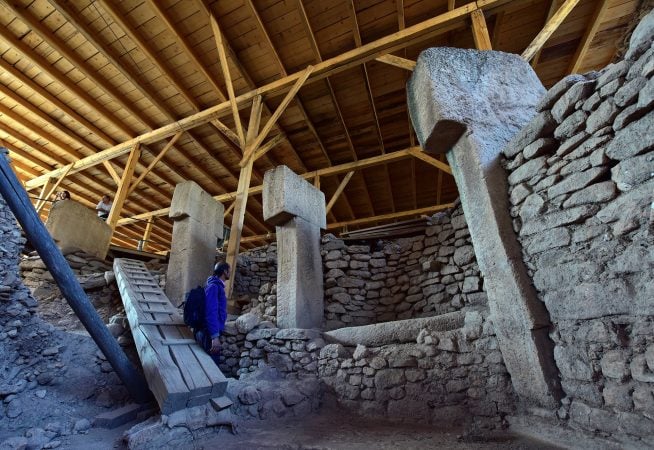
Large stone basins at Göbeklitepe suggest
communal food and drink. Some researchers propose early
beer-like fermented beverages based on starch residues and experimental archaeology. The idea is compelling:
feasting could have galvanized seasonal gatherings, justified monumental building, and strengthened alliances among scattered groups. (As always, caveats apply—much remains under study.)
12) Liquid-Tight Floors & Ceremonial Architecture
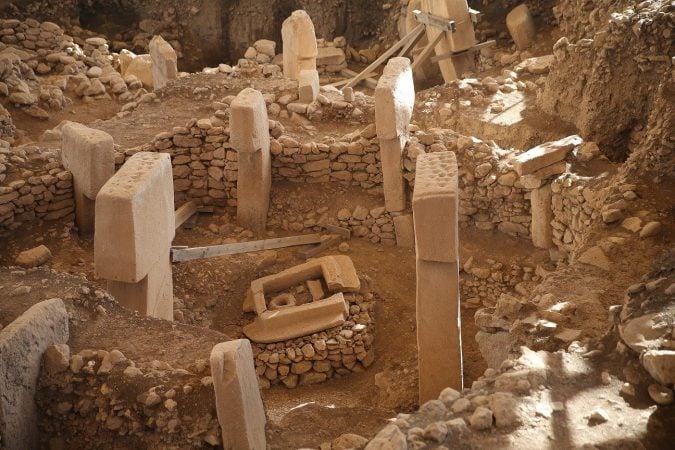
Some enclosure floors appear sealed with
plastered, water-resistant layers, implying controlled use of liquids. Whether for
purification,
offerings, or
collective consumption, the architectural choices point to planned rituals—choreographed gatherings rather than ad hoc meetings.
13) Did Temples Come Before Farms?
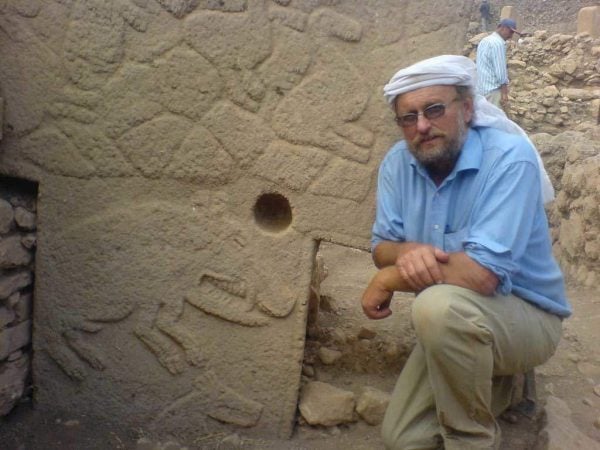
Göbeklitepe is discovered by Klaus Schmidt.
Klaus Schmidt famously argued that
monumental ritual spaces helped catalyze social complexity, which in turn encouraged experimentation with
cultivation. In that narrative, sacred centers like Göbeklitepe drew people together first; agriculture followed to supply the gatherings. While the picture is more nuanced today, Göbeklitepe remains Exhibit A that
symbolic life and cooperation can precede—or co-evolve with—full farming economies.
Design a deep-time route:2 Days Nemrut + Göbeklitepe (from Istanbul) •
Nemrut + Göbeklitepe + Cappadocia •
Cappadocia ➝ Nemrut ➝ Göbeklitepe (ends in Istanbul)
14) UNESCO World Heritage

Göbeklitepe was placed on UNESCO’s
Tentative List and later
inscribed as a World Heritage Site (recognition now firmly global). Practical outcomes for travelers: improved conservation, better access paths, shaded viewing, and rich exhibits in the
Şanlıurfa Archaeology Museum and Haleplibahçe Mosaic Museum downtown—both essential complements to a site visit.
How to Visit Göbeklitepe (Practical Guide)
Best Time of Day
- Morning: Cooler temps, softer light for photos of reliefs and pillar textures.
- Late afternoon: Warm tones on limestone; watch for closing times seasonally.
What to Bring
- Comfortable shoes (paths + boardwalks), hat, sunscreen, water
- Camera/phone with wide + normal focal lengths; polarizer can help skies
- Light layer (breezy on the ridge even when Urfa is warm)
Etiquette & Preservation
- Stay on walkways and marked paths; never touch carvings
- Use provided bins; drones may require permit
- Pair your visit with Şanlıurfa Archaeology Museum for context
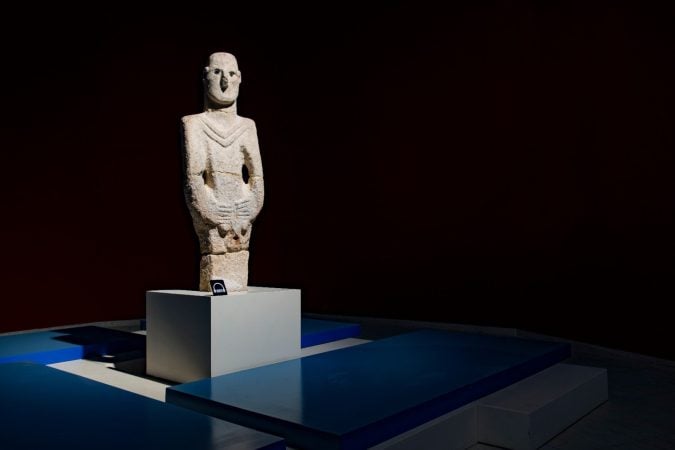
What Else to See Nearby
- Şanlıurfa (Urfa) Old City: Covered bazaars, courtyard houses, historic mosques
- Balıklıgöl (Pool of Sacred Fish): Scenic complex tied to Abrahamic traditions
- Harran: Beehive houses & ancient city traces on the plain
Go wider across Eastern Turkey:16 Days Best of Turkey (Istanbul ➝ Diyarbakır ➝ Mardin ➝ Göbeklitepe ➝ Gaziantep ➝ Cappadocia ➝ Pamukkale ➝ Ephesus) •
17 Days Great Discovery (adds Nemrut & Halfeti)
Curated Göbeklitepe Tours & Combos (Sprinkled for Easy Planning)
Expanded Notes on the 14 Topics (For Deep Readers & SEO)
Dating & Phasing: Multiple building phases span PPNA–PPNB; radiocarbon from associated materials refines the chronology.
Architecture: Round/oval enclosures with double central pillars, encircled by smaller orthostats; benches and low walls suggest defined gathering space.
Symbolism: Reliefs include dangerous fauna (snakes, scorpions, boars), birds (cranes), and abstract symbols; belts, hands, and loincloths humanize central pillars.
Backfilling: Enclosures appear
intentionally backfilled after use, sometimes with refuse from feasts; this ritual “closing” protected carvings for millennia.
Labor organization: Pillar extraction, transport, and erection imply seasonal aggregation and leadership roles.
Foodways: Wild game (gazelle, aurochs), plant use, and possible fermentations; feasting as a driver of social cohesion.
Regional context: Göbeklitepe belongs to a network of early Neolithic sites across Upper Mesopotamia (Taş Tepeler region), sharing traits of T-pillars and communal spaces.
Museums: The Şanlıurfa Archaeology Museum offers comprehensive exhibits; pair it with the Haleplibahçe Mosaic Museum.
Video: Ancient Aliens: Gobekli Tepe | History
https://youtu.be/A3aBN2QGn6w?si=tBji9fJToo_sSsUJ
Traveler Logistics (Quick Reference)
- Access: From Şanlıurfa city center by guided tour, taxi, or rental car; allow time for museum combo.
- Seasonality: Spring and autumn are ideal; summers are hot—arrive early or late afternoon.
- Photography: Reliefs read best with oblique light; avoid touching stone surfaces.
Most efficient gateway from Istanbul:Göbeklitepe Day Tour from Istanbul. If you’re already touring Anatolia: consider
Nemrut + Göbeklitepe + Cappadocia or the comprehensive
17 Days Great Discovery of Turkey.
In One Breath: Why Göbeklitepe Matters
Because it proves that
symbolic imagination and social cooperation run deeper than domesticated fields and potter’s wheels. On this ridge, people who hunted and gathered also planned, engineered, carved,

 Location of Göbeklitepe Category hub for planning:Eastern Turkey Tours – discover Nemrut, Göbeklitepe, Halfeti, Mardin, Gaziantep, and more.
  Göbeklitepe is the oldest temple in the world. Radiocarbon dates place Göbeklitepe deep in the Pre-Pottery Neolithic A (PPNA) and early PPNB, roughly the 10th–9th millennia BCE. The site comprises multiple circular enclosures (often cited ~20+) with pairs of towering T-shaped pillars at their centers, surrounded by smaller pillars embedded in stone walls. Only a fraction has been fully excavated; the scale hints at sustained, coordinated building over centuries. See it in a single day:Göbeklitepe Day Tour from Istanbul – seamless flights, transfers, and expert guiding.
  Stonehenge / England Popular comparisons help contextualize Göbeklitepe’s antiquity. While Stonehenge (United Kingdom) and the Egyptian pyramids dazzled later civilizations, Göbeklitepe’s megaliths predate them by millennia. The key takeaway for travelers: you’re looking at ritual architecture from the dawn of monumental building, at a time when communities were transitioning from mobile lifeways to more settled patterns.
  The pillars were quarried from local limestone, fashioned with stone hammers and polishers, then moved short distances—likely using sledges, rollers, ropes, leverage, and lots of teamwork. Central pillars stand approximately 3–6 meters tall. Even today, standing beneath them is humbling; the scale alone implies complex planning, seasonal labor gatherings, and specialist knowledge.
 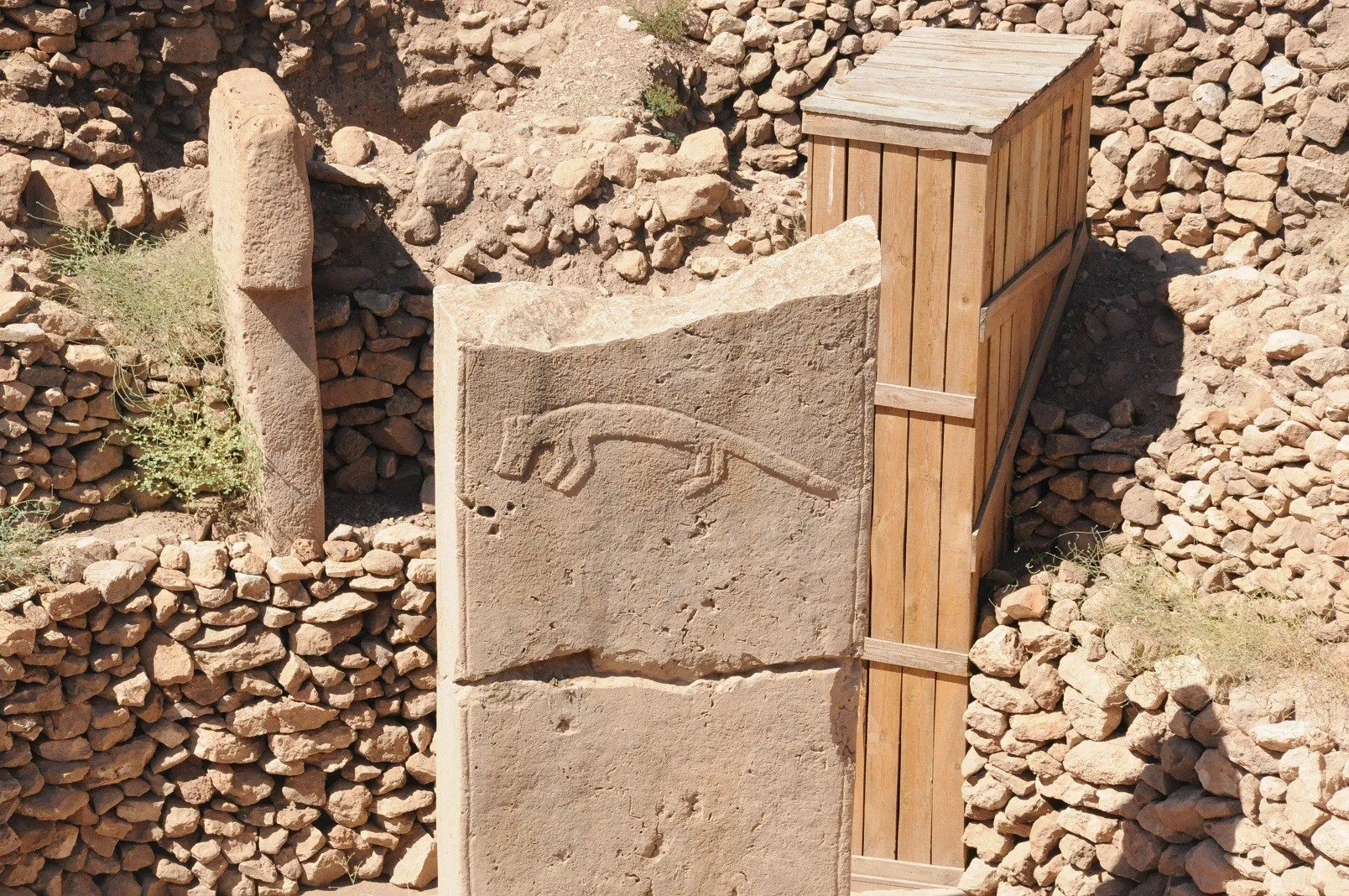 Animal Figure in Göbeklitepe Göbeklitepe’s relief carvings—foxes, boars, serpents, scorpions, cranes, wildcats, and more—reveal an artistic vocabulary distinct from cave paintings. Some scholars view these as cosmological symbols or clan totems, others as narratives of a perilous world navigated through ritual. Either way, the move from painted surfaces to sculpted stone marks a leap in symbolic expression.
  Genetic studies point to the Karacadağ region (southeast of Göbeklitepe) as a key zone in the domestication of einkorn wheat. While debates continue, Göbeklitepe sits within a broader landscape where humans were experimenting with plant use, tending wild stands, and eventually cultivating cereals—possibly accelerated by feasting needs at communal gatherings.
 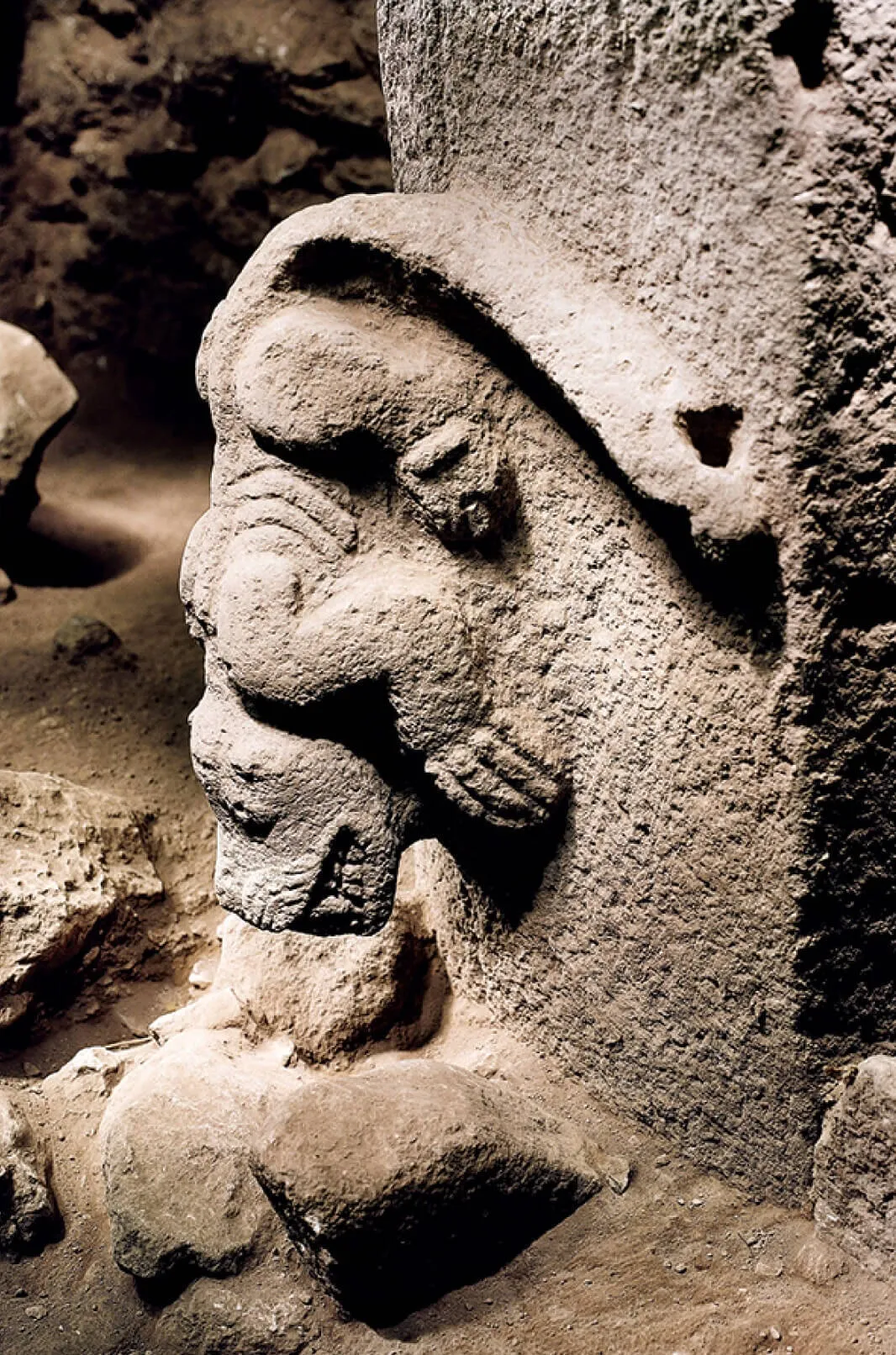 Gobeklitepe / Lion Figure Most specialists agree: the T-pillars likely represent anthropomorphic beings. Several pillars show carved hands, belts, and loincloths. Animals adorn the surfaces in relief, including 3-dimensional elements in rare cases. Whether these are deities, ancestors, or masked ritual leaders remains open—but the human presence is unmistakable.
 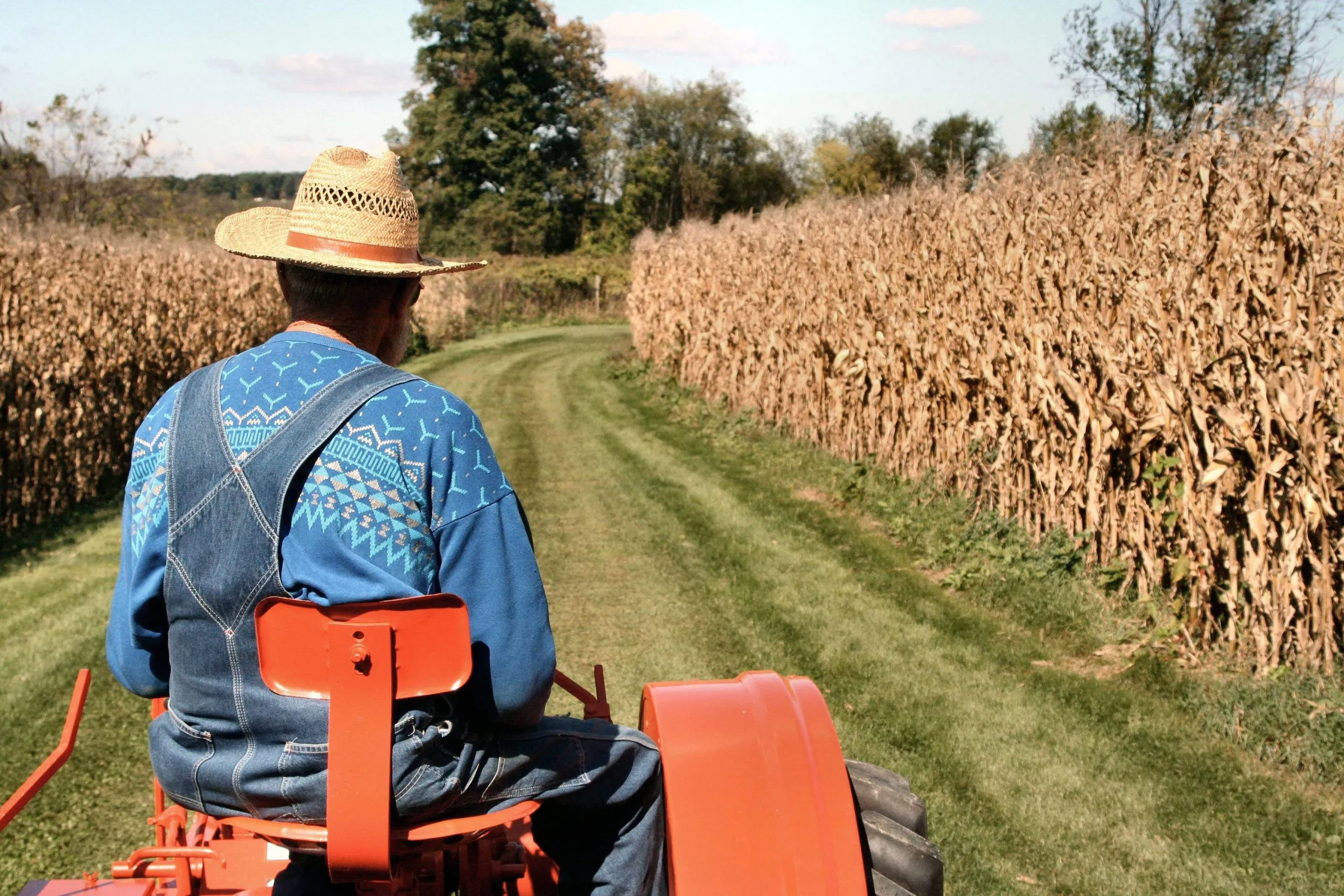 Local farmer Mahmut Kılıç unearthed carved stones in the 1980s while plowing, but the implications were not immediately recognized. Early academic surveys didn’t grasp the site’s magnitude either. Only in the 1990s did Göbeklitepe begin to command the attention it deserved.
 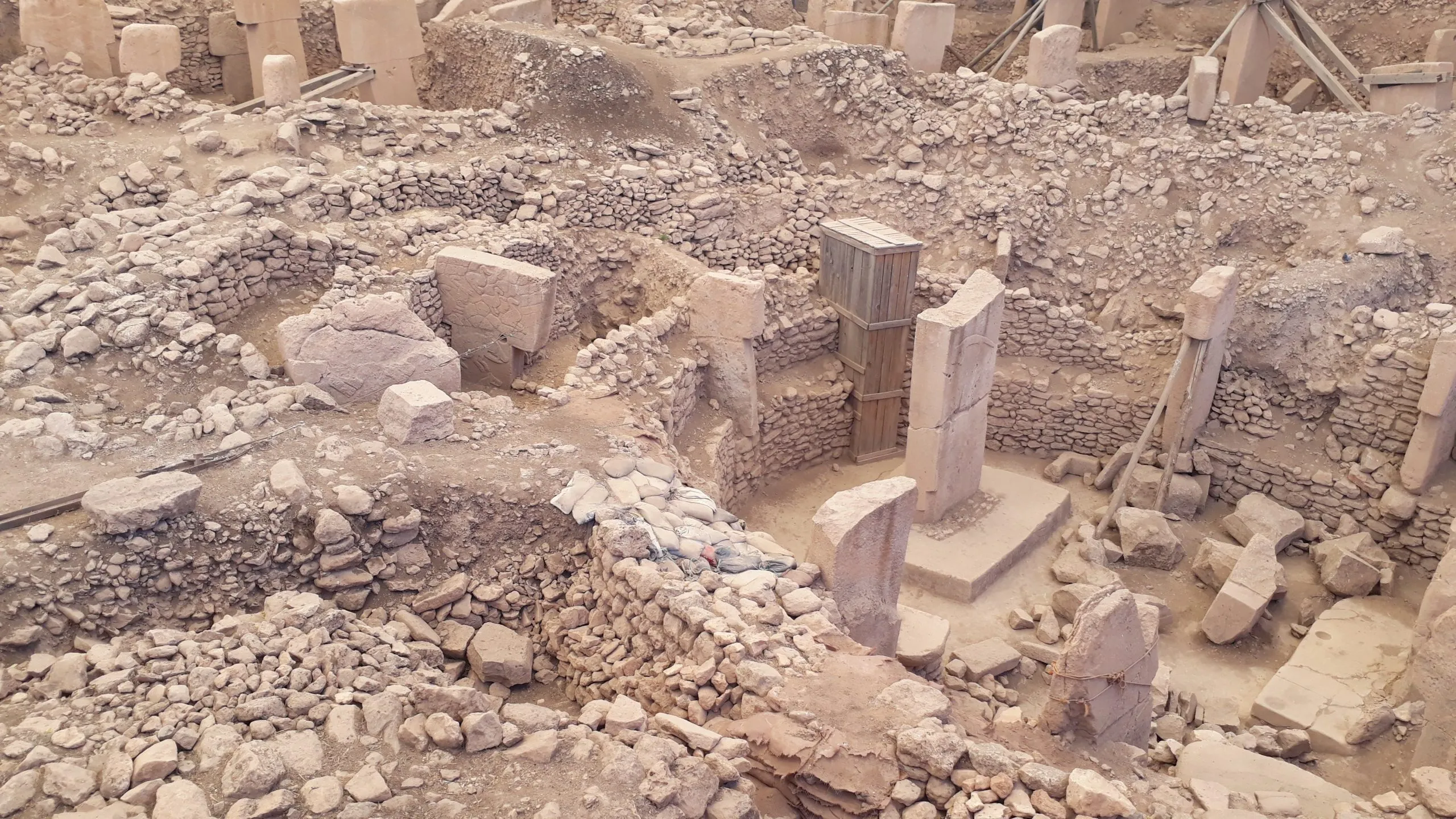 Excavations took off in 1995 under the leadership of the Şanlıurfa Museum with scientific direction by Prof. Dr. Klaus Schmidt and the German Archaeological Institute. Schmidt’s decades of work (he became excavation director in 2007) and subsequent teams revealed successive enclosures, refined dating, and the extraordinary complexity of the site. Today, conservation structures—including a broad protective canopy and raised walkways—give visitors clear views into the past. Combine sites over 2–4 days:2 Days Göbeklitepe + Zeugma + Halfeti (from Gaziantep) • 4 Days Nemrut + Göbeklitepe + Halfeti (from Cappadocia)
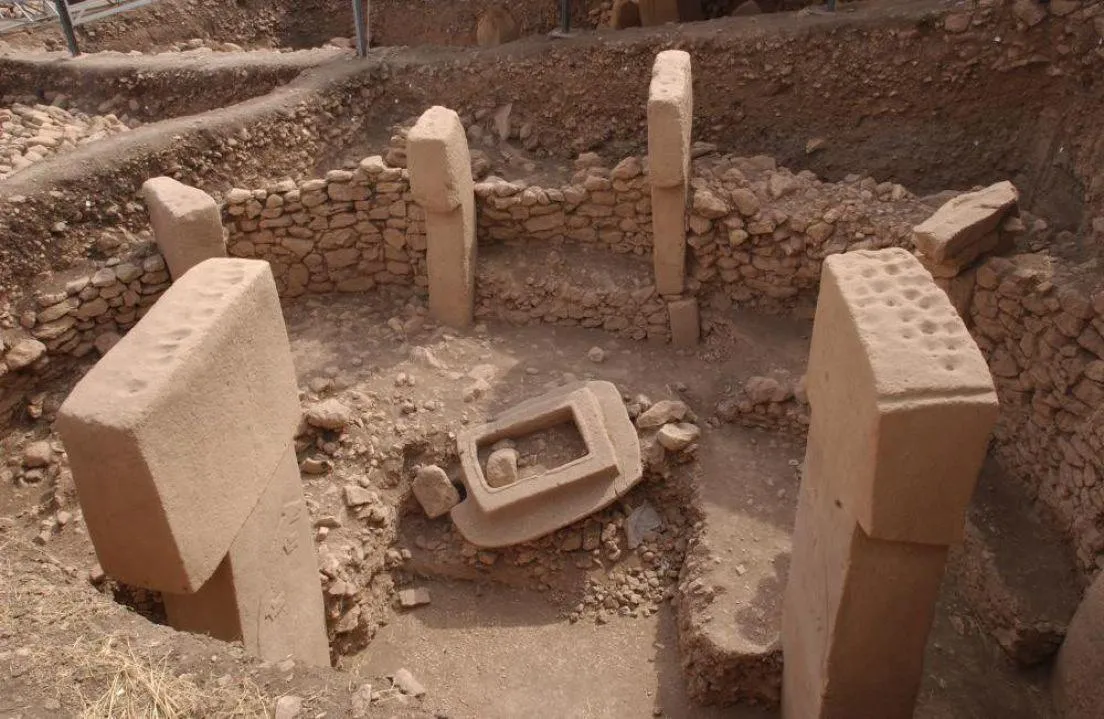 In 2010, a carved head—reportedly about 40 cm tall and 25–30 kg—was stolen shortly after discovery. The incident underscored the urgency of site security and museum stewardship. Since then, protections have improved and visitor infrastructure has expanded to support sustainable tourism.
 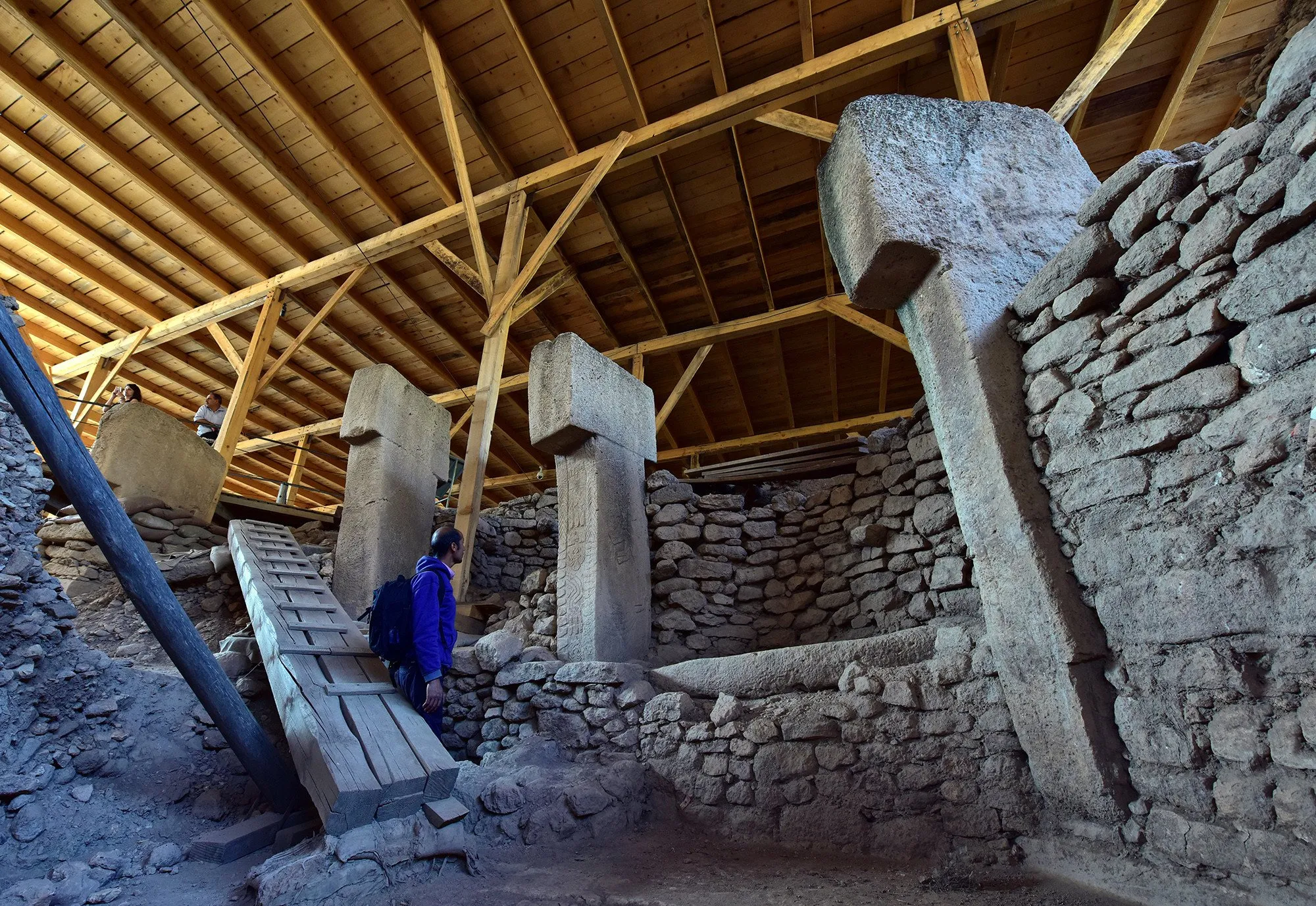 Large stone basins at Göbeklitepe suggest communal food and drink. Some researchers propose early beer-like fermented beverages based on starch residues and experimental archaeology. The idea is compelling: feasting could have galvanized seasonal gatherings, justified monumental building, and strengthened alliances among scattered groups. (As always, caveats apply—much remains under study.)
 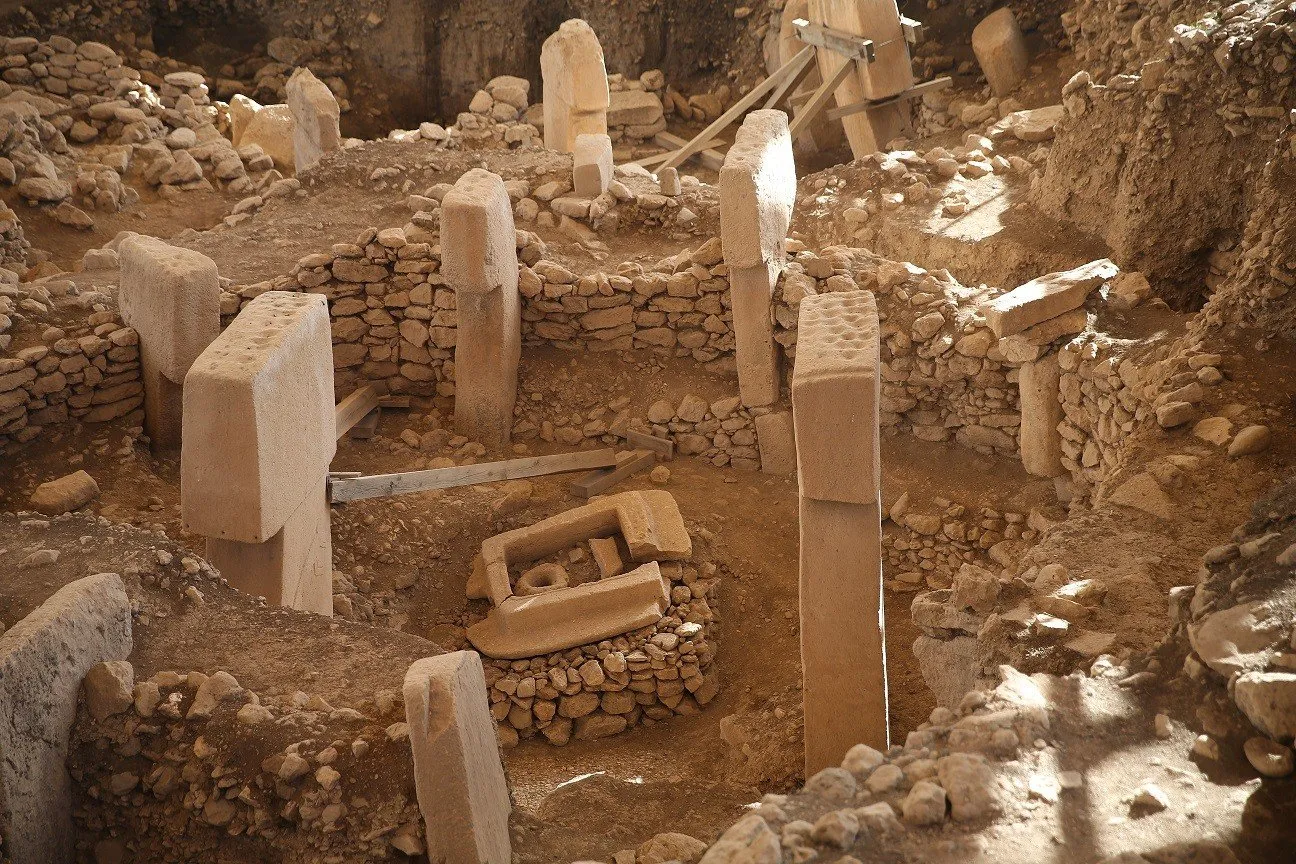 Some enclosure floors appear sealed with plastered, water-resistant layers, implying controlled use of liquids. Whether for purification, offerings, or collective consumption, the architectural choices point to planned rituals—choreographed gatherings rather than ad hoc meetings.
 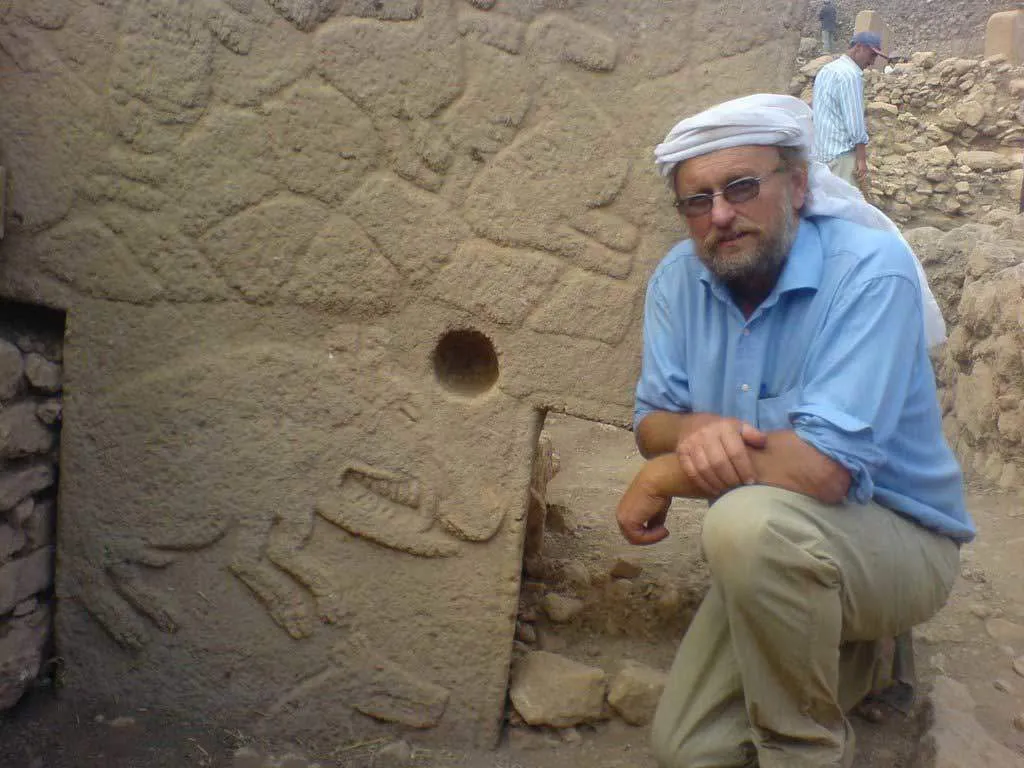 Göbeklitepe is discovered by Klaus Schmidt. Klaus Schmidt famously argued that monumental ritual spaces helped catalyze social complexity, which in turn encouraged experimentation with cultivation. In that narrative, sacred centers like Göbeklitepe drew people together first; agriculture followed to supply the gatherings. While the picture is more nuanced today, Göbeklitepe remains Exhibit A that symbolic life and cooperation can precede—or co-evolve with—full farming economies. Design a deep-time route:2 Days Nemrut + Göbeklitepe (from Istanbul) • Nemrut + Göbeklitepe + Cappadocia • Cappadocia ➝ Nemrut ➝ Göbeklitepe (ends in Istanbul)
 Göbeklitepe was placed on UNESCO’s Tentative List and later inscribed as a World Heritage Site (recognition now firmly global). Practical outcomes for travelers: improved conservation, better access paths, shaded viewing, and rich exhibits in the Şanlıurfa Archaeology Museum and Haleplibahçe Mosaic Museum downtown—both essential complements to a site visit.