Kuşadası is a vibrant resort town on Turkey’s western Aegean coast, beloved for its sunny beaches, historic treasures, and lively atmosphere. Its name means
“bird island” in Turkish, referring to the tiny Pigeon Island just off its shore.
Kusadasi’s prime location – about 90 km south of İzmir, on the continent of Asia – makes it a popular base for exploring nearby attractions like
ancient Ephesus and the natural wonders of
Pamukkale. It’s also one of Turkey’s busiest cruise ports, welcoming hundreds of ships each year. Whether you’re arriving by cruise liner or planning an Aegean holiday, this guide will show you
what to see in Kusadasi,
where to go around the region, and the
best time to visit.
With a local population of around 100,000 (swelling to several times that in summer!), Kusadasi buzzes with energy during the high season. The town offers all the amenities a traveler could need – from seaside restaurants and markets to lively bars and comfortable hotels.
English is widely spoken in tourist areas, and you’ll find the locals friendly and accustomed to visitors. Read on for a comprehensive
Kusadasi travel guide that covers top attractions, day trips, practical tips, and more.
Where Is Kusadasi, Turkey?
Location & Geography
Kusadasi is located in Aydın Province on Turkey’s Aegean Coast, roughly 95 kilometers (59 miles) south of the city of İzmir. Geographically, it sits on the
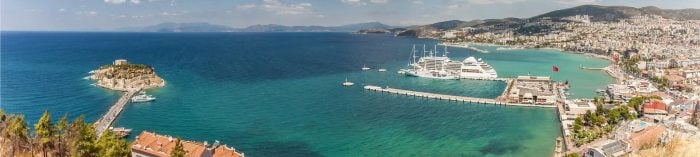
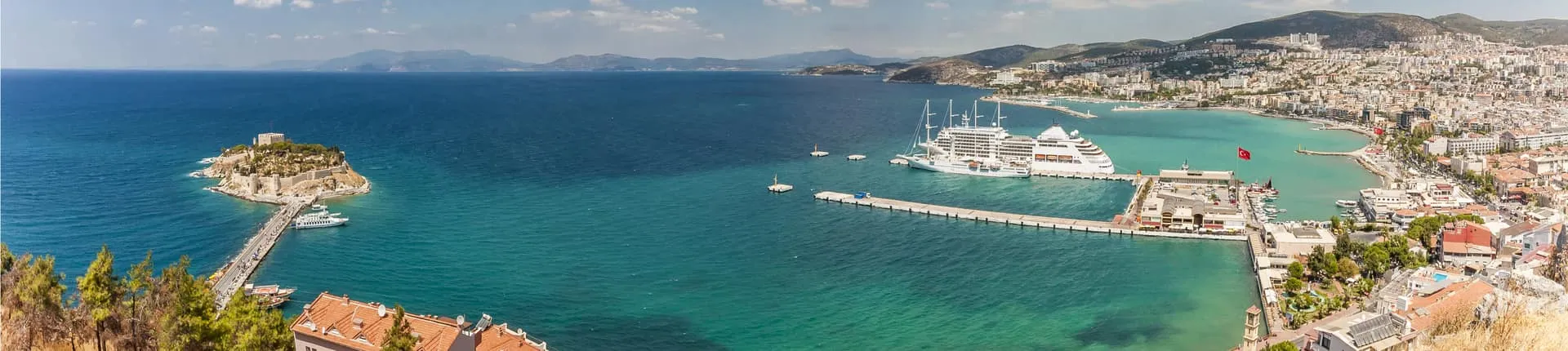
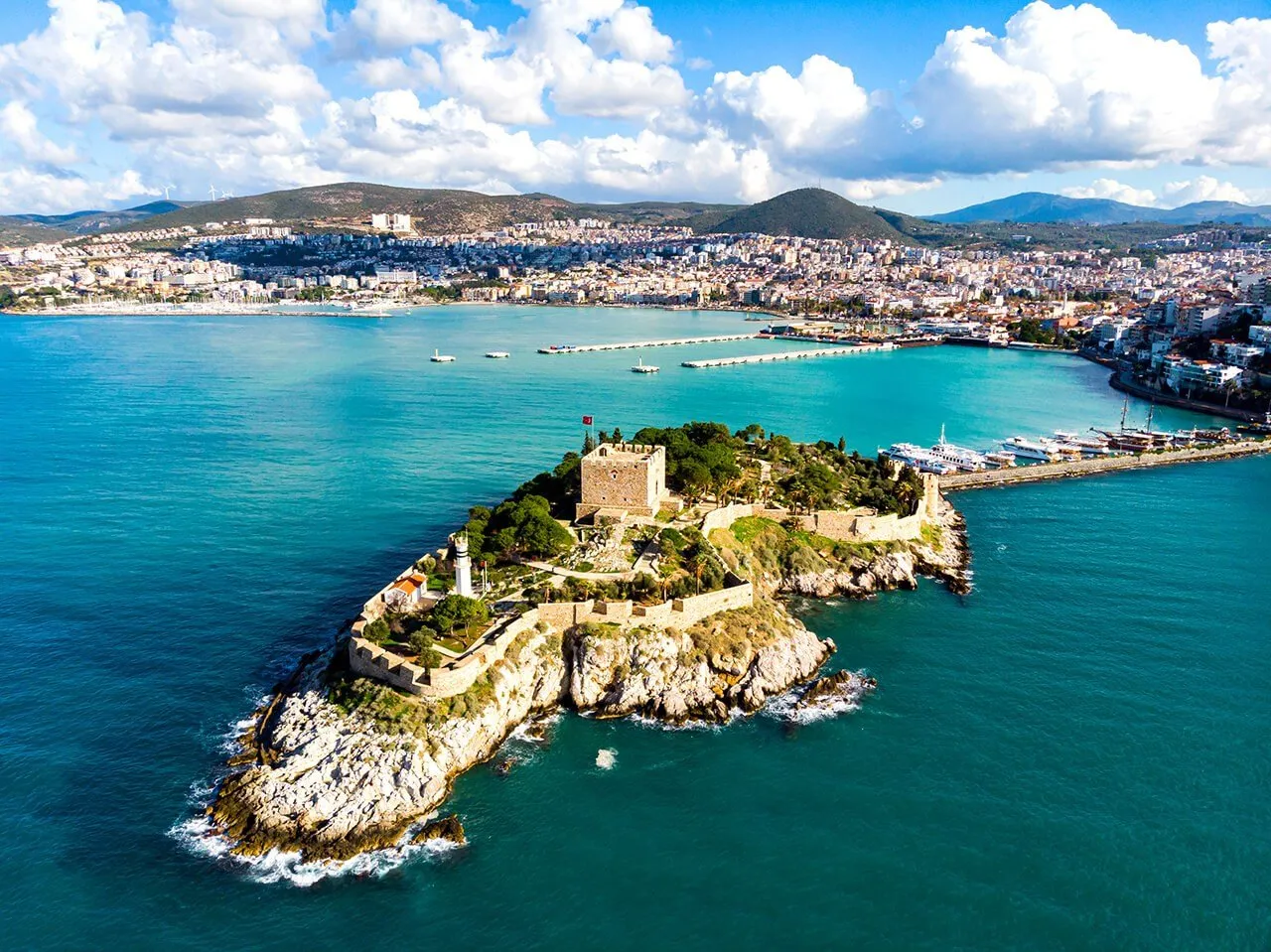
western coast of Turkey’s Anatolian (Asian) side, overlooking the turquoise Aegean Sea. The town curves around a picturesque bay, with the landmark Güvercinada (Pigeon Island) connected to the mainland by a short causeway. On clear days, you can even glimpse the Greek island of Samos across the water. Kusadasi’s
strategic coastal position has shaped its history and tourism – it’s both a beach resort and a gateway to classical ruins inland.

Kusadasi Cruise Port
A Popular Cruise Port
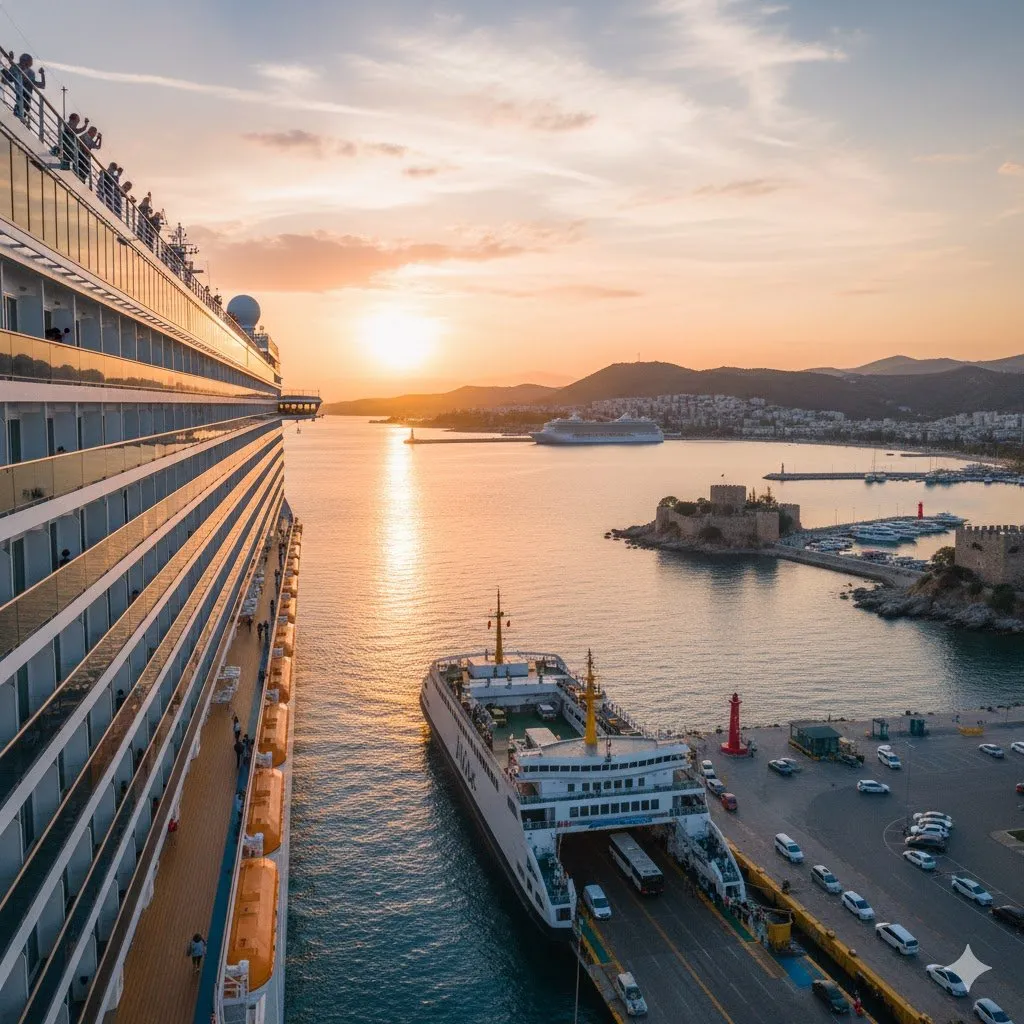
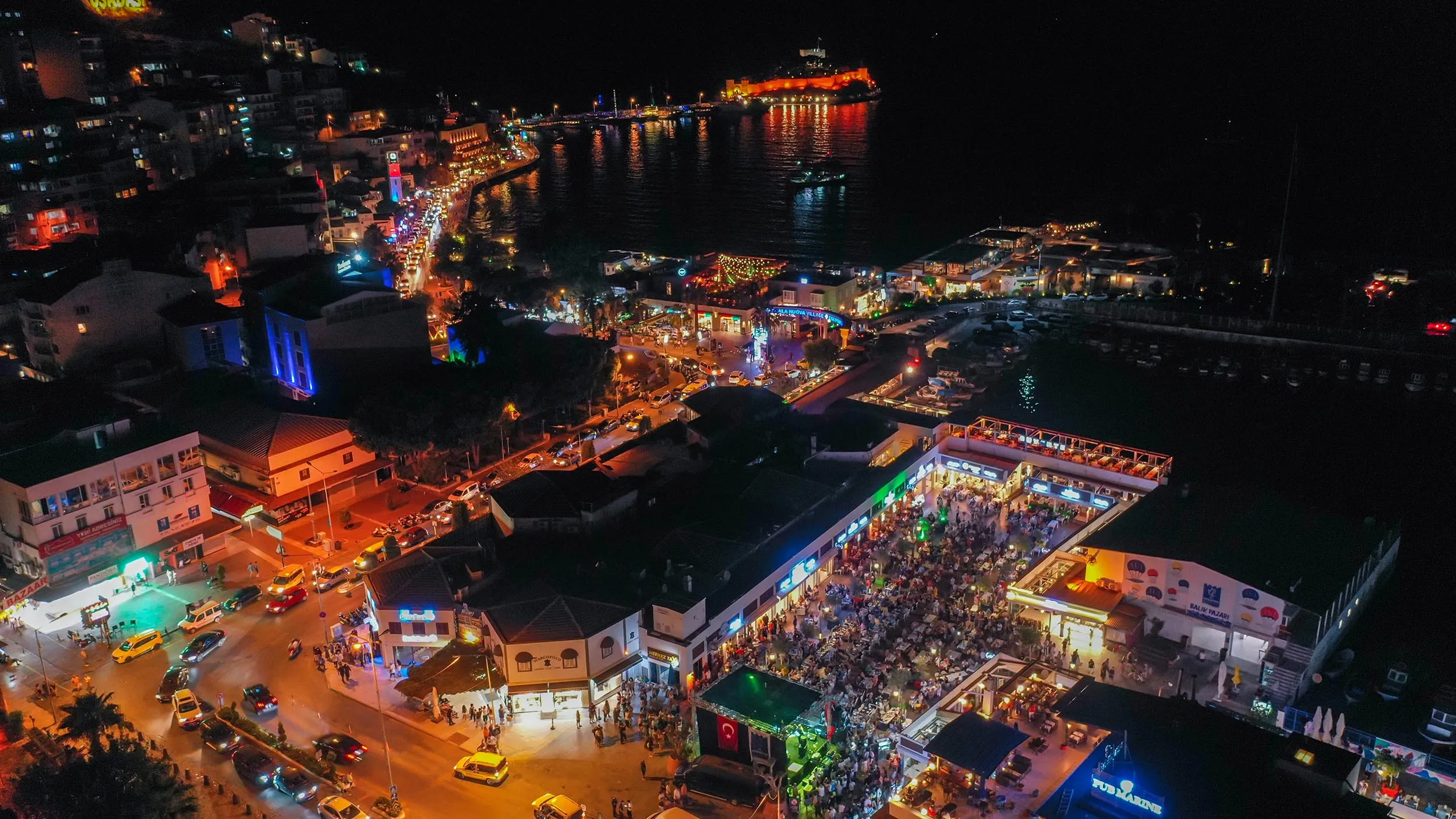
Kusadasi boasts one of Turkey’s busiest cruise terminals. Large cruise ships dock at
Ege Port right in the heart of town (no tender boats needed), unloading thousands of passengers eager to see the sights. In fact, many Mediterranean cruise itineraries include
“Ephesus (Kusadasi)” as a highlight stop. The port area is very convenient – within walking distance you’ll find shops, bazaars, cafes, and the waterfront promenade. Thanks to cruise traffic, Kusadasi is well set up for international visitors, with plenty of tour operators and guides ready to whisk travelers off to
Ephesus, the
House of Virgin Mary, or other attractions.
Why Visit Kusadasi
This town offers an ideal blend of
history, leisure, and culture. You can spend your morning walking among ancient Roman ruins at Ephesus, your afternoon swimming in warm Aegean waters, and your evening dining on fresh seafood by the marina. Kusadasi is known for its
beautiful beaches,
sunny climate, bustling bazaars, and energetic nightlife. It’s also surrounded by fascinating places to go – from natural parks to archaeological sites – all within a day’s trip. Despite being a modern tourist hub, Kusadasi retains Turkish charm in its old quarter and local markets. Travelers often comment on the welcoming vibe and family-friendly atmosphere. In short,
Kusadasi has something for everyone: relaxation for those seeking sun and sea, adventure for history buffs and explorers, and amenities that make traveling easy and enjoyable. (And yes, in case you’re wondering,
Kusadasi is safe and generally very tourist-friendly – more on safety later in the guide.)
Top Things to Do in Kusadasi
Kusadasi’s blend of attractions means you’ll never be bored. From castle-topped islands to lively shopping streets and water parks, here are the
top things to see and do in Kusadasi:
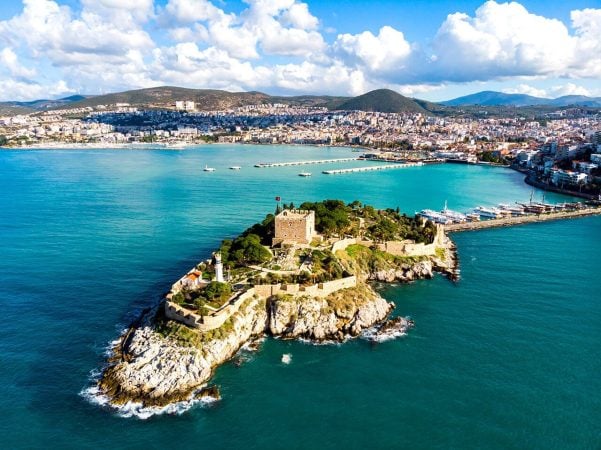
Explore Pigeon Island (Kusadasi Castle)
Connected to the mainland by a short walkway,
Pigeon Island (
Güvercin Ada) is Kusadasi’s most iconic landmark. This tiny island is home to a historic stone fort – often called Kusadasi Castle – which once guarded the harbor from pirates. Today, visitors can wander the fortress walls and enjoy
panoramic views of the town and sea. The island’s landscaped walkways and terraces are perfect for a scenic stroll, especially near sunset when the sky turns orange over the Aegean. There’s a small museum inside the castle showcasing artifacts and the island’s history. Don’t forget to snap a photo with the giant statue of a hand releasing doves (a symbol of peace and the city’s namesake).
Pigeon Island is free to enter and open daily, making it a lovely spot to relax with the sea breeze and capture postcard-worthy pictures of Kusadasi’s skyline.
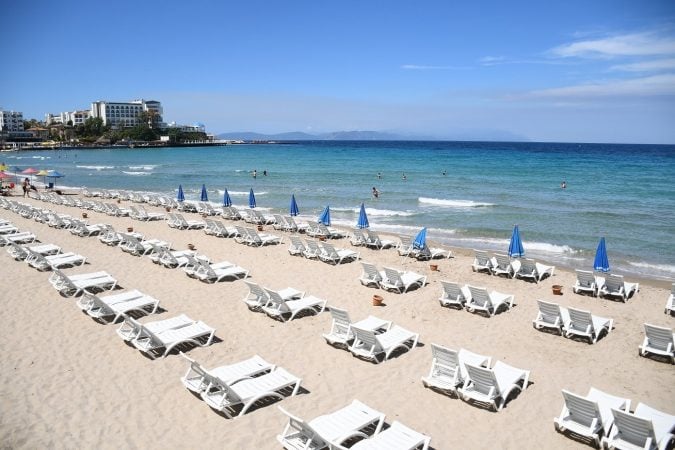
Relax on Kusadasi’s Beautiful Beaches
Kusadasi is blessed with a number of
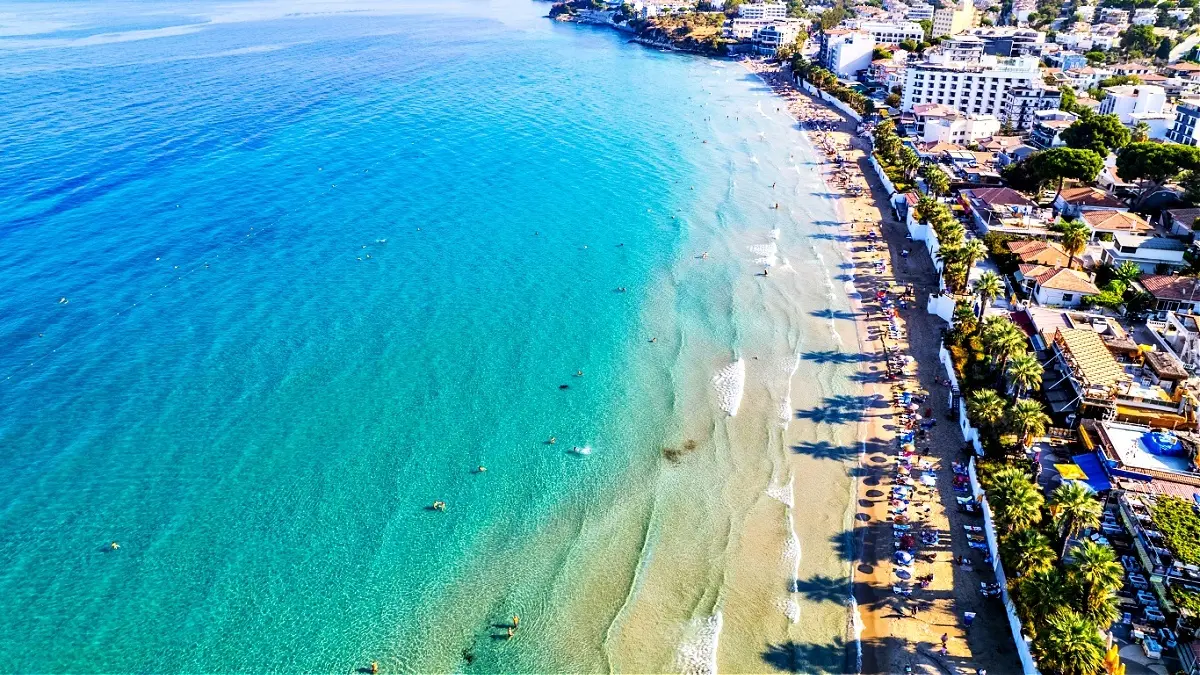
great beaches where you can soak up the sun and swim in clear waters. The most famous is
Ladies Beach (
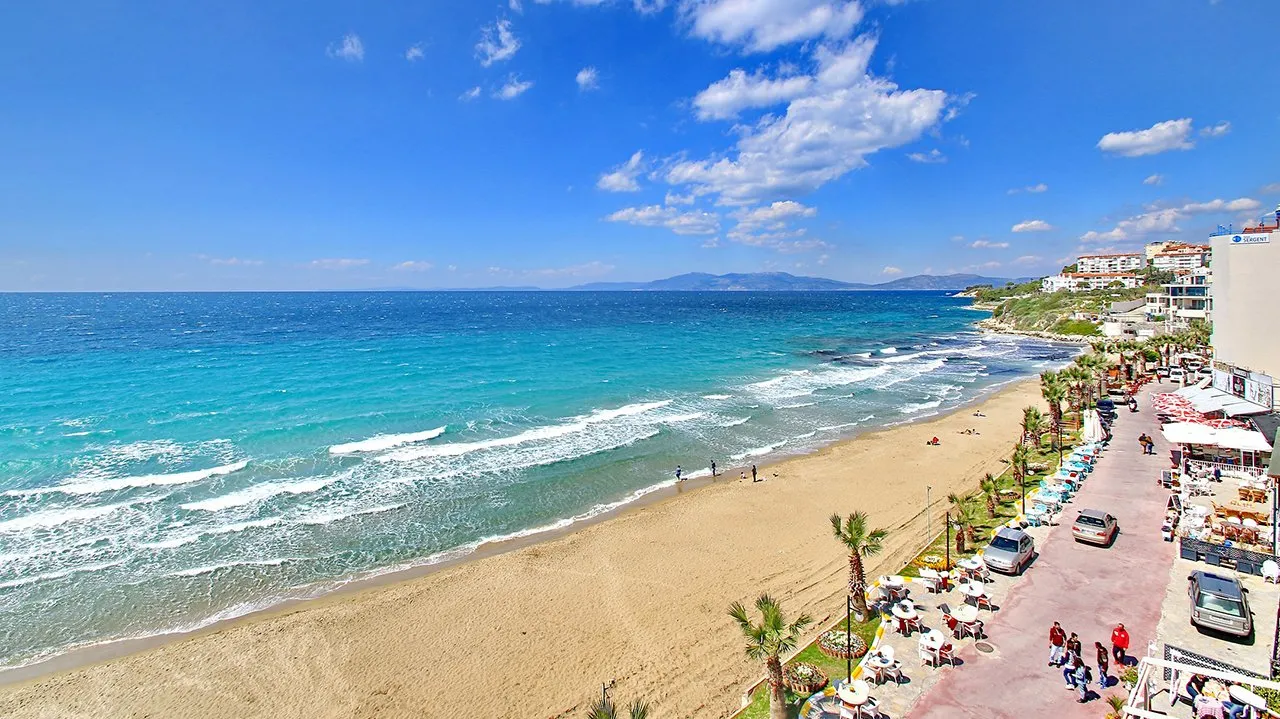
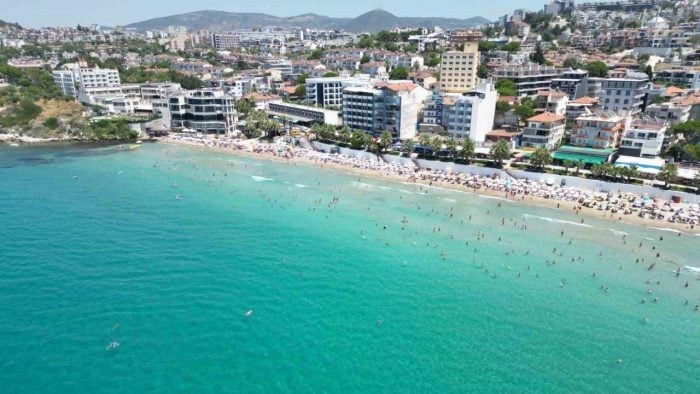
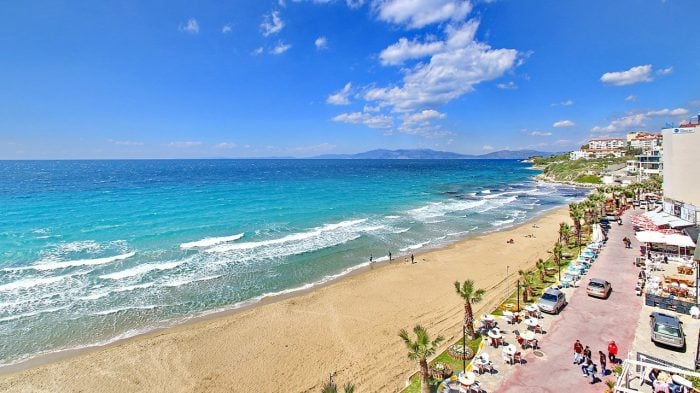
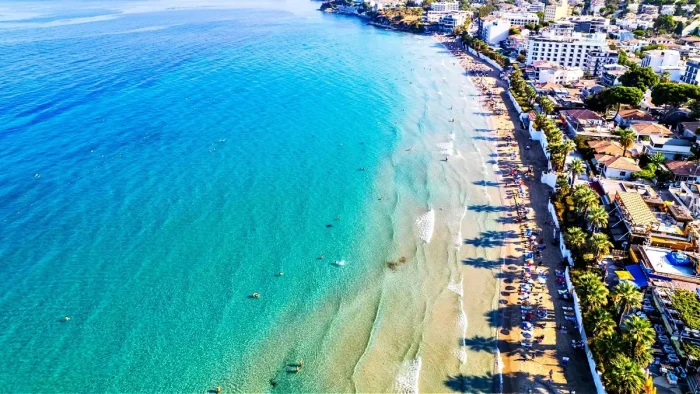
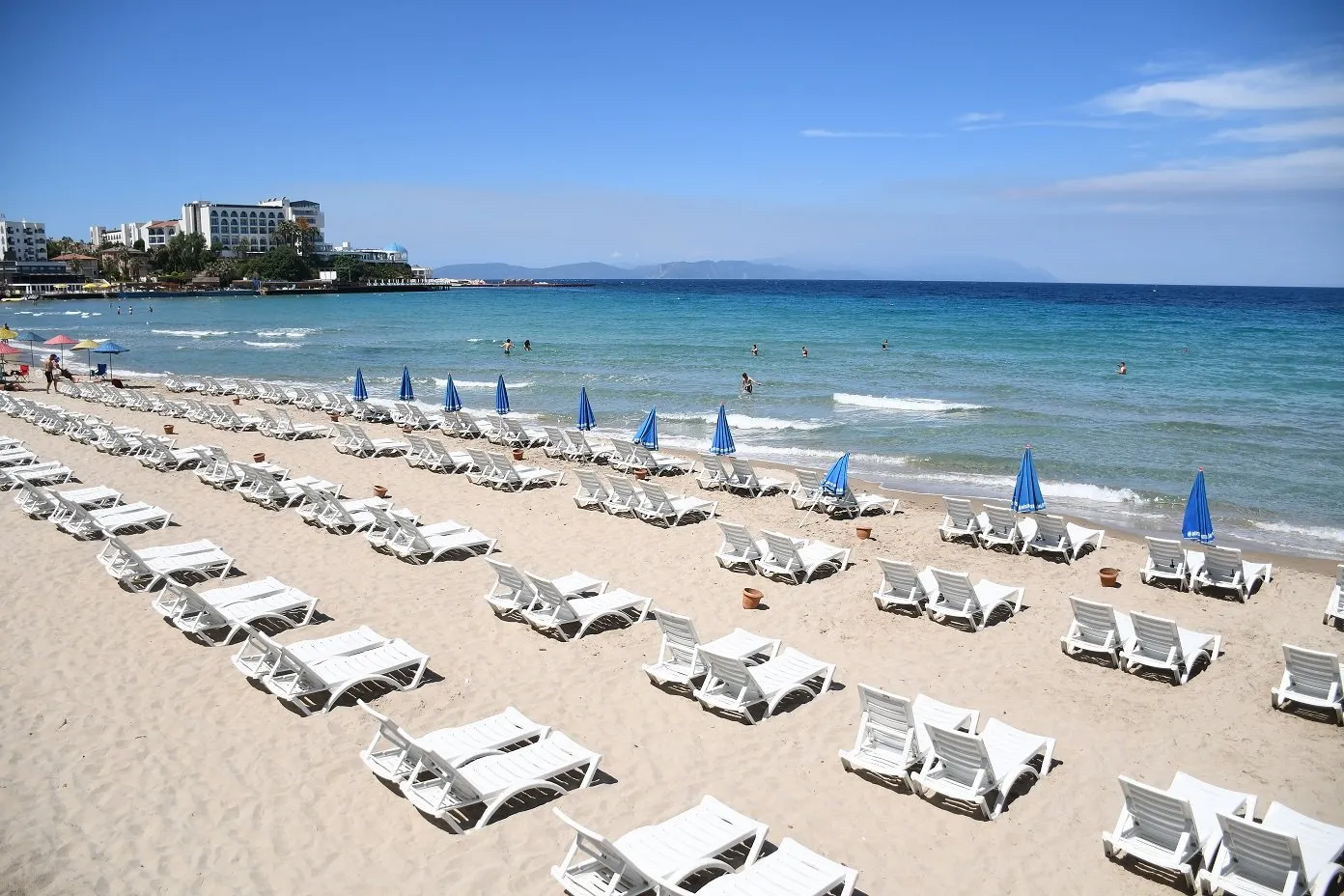
Kadınlar Denizi), a sandy stretch just 2 km southwest of the town center. Don’t let the name fool you – today it’s open to everyone and is one of the most popular beaches in town. Ladies Beach offers soft sand,
clear shallow water (ideal for families), and a lively promenade lined with cafes, restaurants, and resorts. It’s known for its fun atmosphere and gorgeous sunsets. Arrive early in peak summer if you want a good spot, as it does get crowded with locals and tourists alike enjoying the Aegean waves. Another option is
Long Beach, a few kilometers further south. As the name suggests, this beach extends for miles down the coast, offering a more laid-back vibe and plenty of space. You can find beach clubs, hotels, and water sports along sections of Long Beach, but also quieter patches for a peaceful swim. Closer to town, there’s a small
Town Beach near the marina, and
Kuştur Beach to the north which is popular for camping and day visits. If you venture toward the national park (discussed later), you’ll discover even more pristine coves and beaches. No matter which beach you choose, you’ll find opportunities for
water sports like jet skiing, parasailing, and banana boat rides. The
Aegean Sea is warm from late spring through fall – perfect for swimming from roughly May into October. Beach facilities in Kusadasi are generally good: many beaches have sunbed and umbrella rentals, showers, and beachfront eateries for a cold drink or a bite to eat. Relaxing on the beach is definitely one of the top things to do in Kusadasi, especially during the hot summer months.
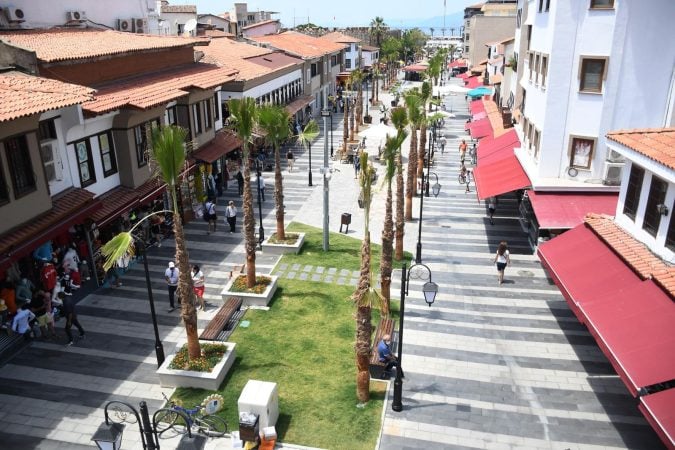
Shop and Stroll at the Bazaars
For a dose of local culture (and some souvenir hunting), head to the bustling
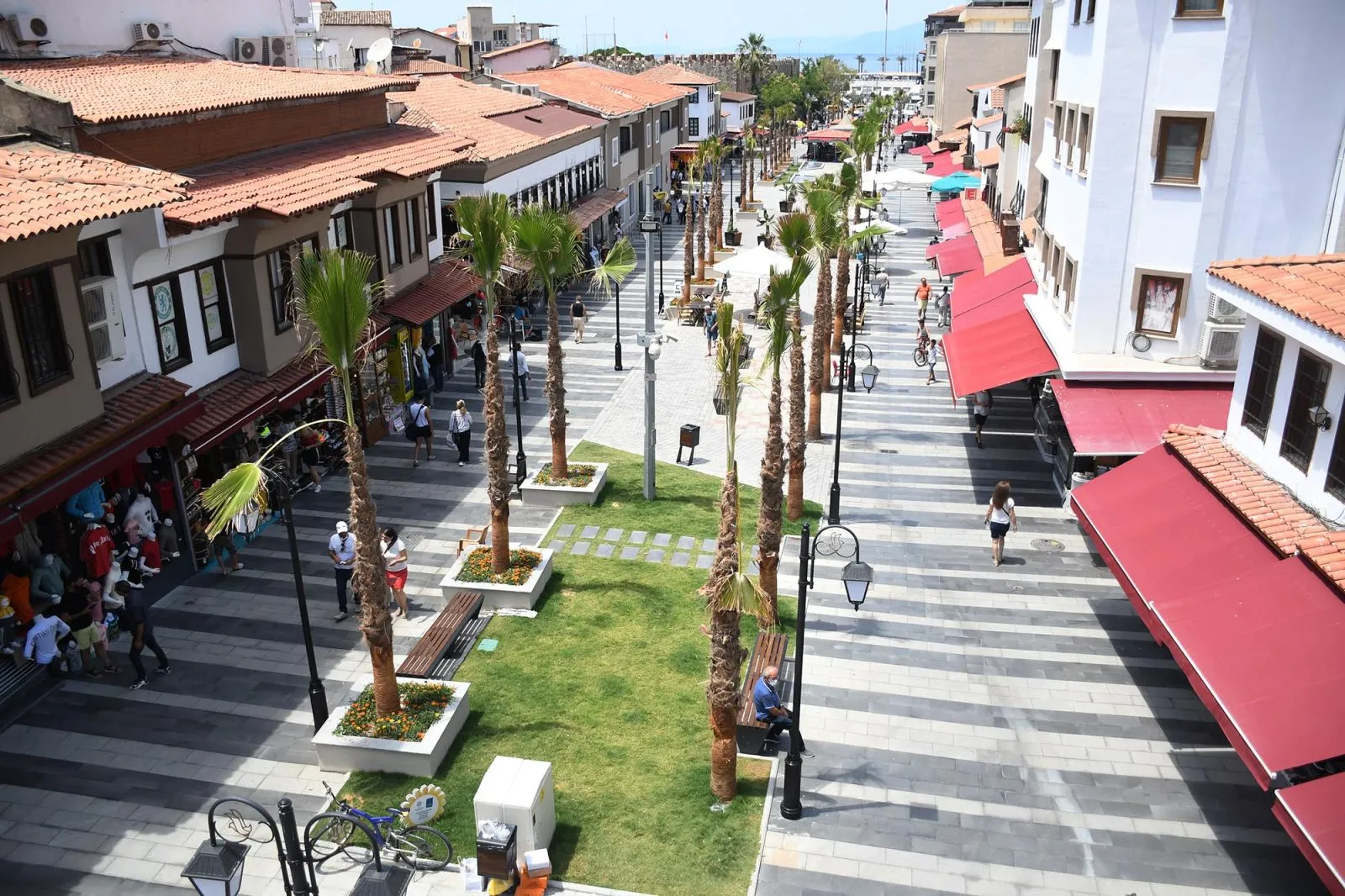
bazaars and markets of Kusadasi. Just opposite the cruise port and along downtown streets, you’ll find a maze of shops often referred to as the
Kusadasi Grand Bazaar. Strolling these pedestrian lanes is an experience in itself – vendors enthusiastically call out with offers as the scent of spices and leather wafts through the air. Here you can shop for everything from carpets and kilims,
genuine leather jackets, handbags, and shoes, to jewelry (gold and silver are popular buys), Turkish delight and spices, ceramics, textiles, and all sorts of souvenirs.
Haggling is expected in the bazaar, so don’t be shy to negotiate prices. It’s part of the fun and you can often get a good deal with some friendly bargaining. In addition to the permanent bazaar shops, Kusadasi also hosts weekly local markets. For example, there is typically a
farmer’s market where villagers sell fresh produce, and sometimes a
textile/clothing market on certain days. Ask a local or your hotel for the market schedule if you’re interested – these offer a more local shopping experience (and very affordable prices for goods, from fruits to t-shirts). When wandering the bazaar area, take time to enjoy the ambiance. You’ll likely pass the
Öküz Mehmed Pasha Caravanserai, a historic 17th-century caravan inn near the port, which has been converted into a boutique hotel and shopping courtyard. Its Ottoman architecture and courtyard are worth a peek as you shop nearby. And if you need a break, pop into a café for a cup of Turkish coffee or apple tea. Shopping in Kusadasi is a delight for the senses – even if you’re not buying, the colorful displays and lively exchanges make it a memorable part of your visit.
What to buy in Kusadasi: Popular souvenirs include
Turkish carpets (make sure they’re authentic hand-made rugs if you’re investing in one), leather goods of high quality,
Turkish delight and spices, nazar boncugu (blue evil eye charms) for good luck, beautiful painted ceramics, and artisan jewelry. Also consider picking up some local olive oil soap or a textile like a Turkish peshtemal towel. Remember to keep transactions friendly and enjoy the banter – you may be offered a complimentary tea while you browse, a hallmark of Turkish hospitality!

Have Fun at Water Parks and Outdoor Activities
If you’re traveling with family or simply love some adrenaline, Kusadasi offers plenty of
activities beyond sightseeing. A big hit on hot days is a trip to one of the local
water parks. The area boasts two famous ones:
Adaland and
Aqua Fantasy, both located a short drive north of Kusadasi. These large water parks feature twisting water slides, wave pools, lazy rivers, and splash zones that will entertain kids and adults for hours. Adaland even has additional attractions like a dolphin show and rafting slide. Spending a day zooming down slides or floating in a pool is a refreshing break from historical tours, and the parks have restaurants and lockers for convenience. They typically operate from late spring through early fall. Be sure to bring sun protection as you’ll be in the sun most of the day. For those seeking adventure, Kusadasi has you covered as well. You can join a
jeep safari or
quad-bike (ATV) safari excursion into the surrounding countryside – these guided off-road tours take you through dusty trails, up into the hills or to remote beaches, often including a fun-filled ride through Dilek Peninsula’s edges or rural villages. There are also
horseback riding tours available, where you can trot along scenic paths or even along the beach at sunset. Water sports are plentiful: try parasailing over the bay for a bird’s-eye view of Kusadasi, or go scuba diving on a local diving trip to explore underwater Aegean reefs and maybe a wreck site. Many operators offer
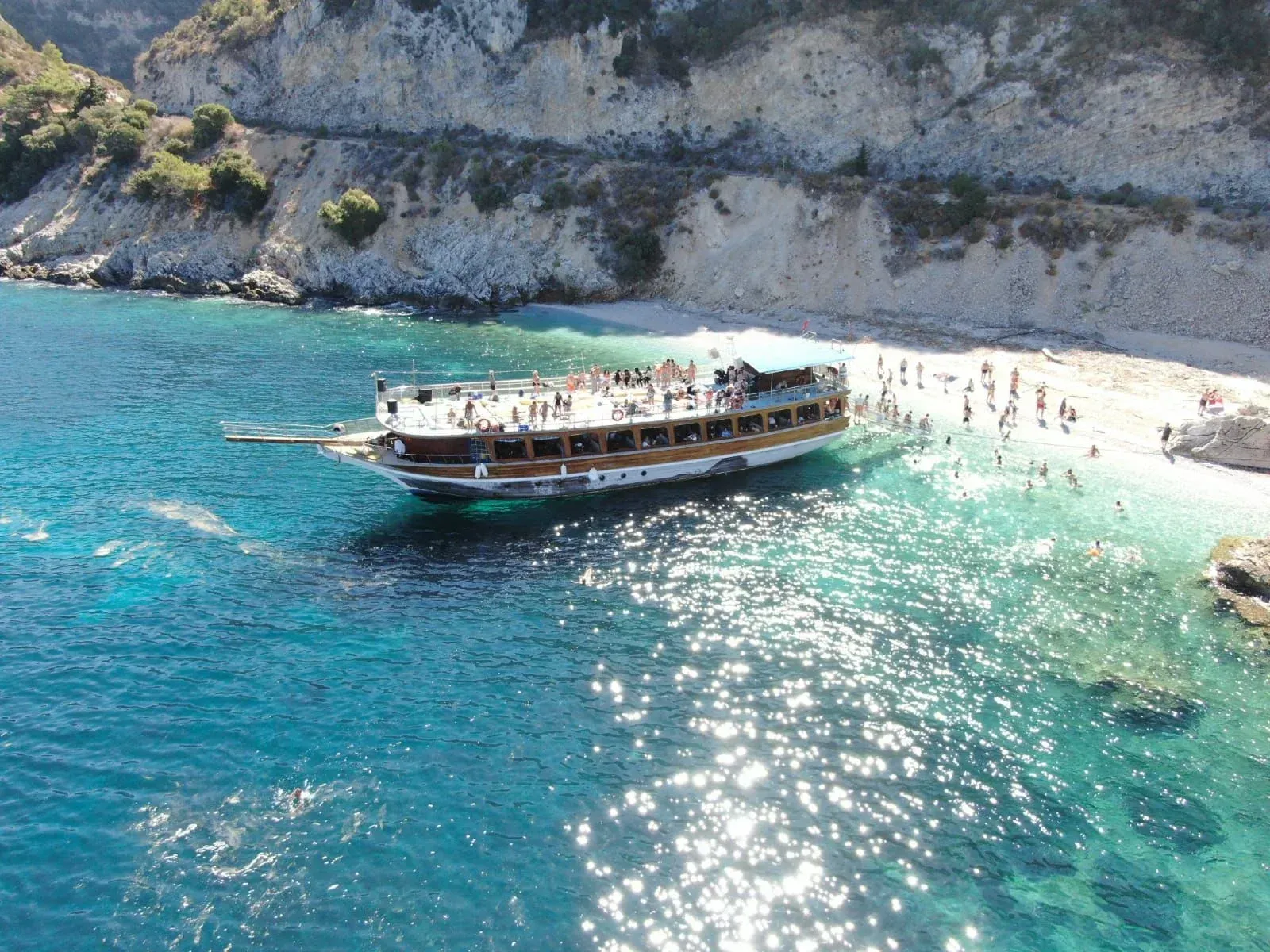
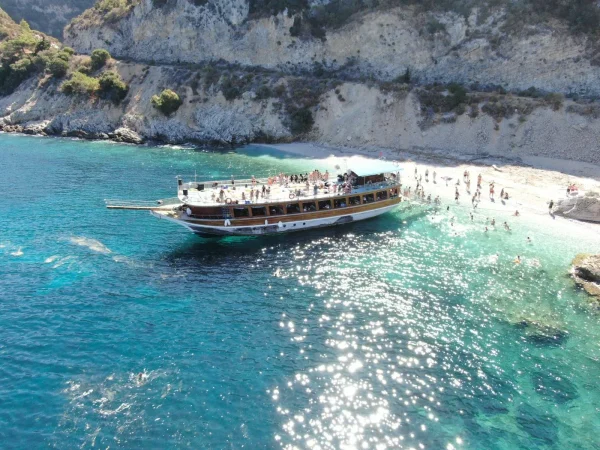
daily boat tours from Kusadasi’s harbor, which sail along the coast to visit quiet bays and swim spots; these boat trips usually include lunch on board and a relaxing day at sea with music and sunbathing. If you’re interested in Turkish culture and relaxation, consider visiting a
Turkish bath (hamam) in Kusadasi. Indulging in a hamam is a traditional experience – you’ll relax in a steam room and get scrubbed and soaped by professional attendants, leaving with baby-soft skin and feeling completely rejuvenated. Many hamams offer massage packages as well. It’s the perfect treat for your body after long days of touring ruins or walking around town.
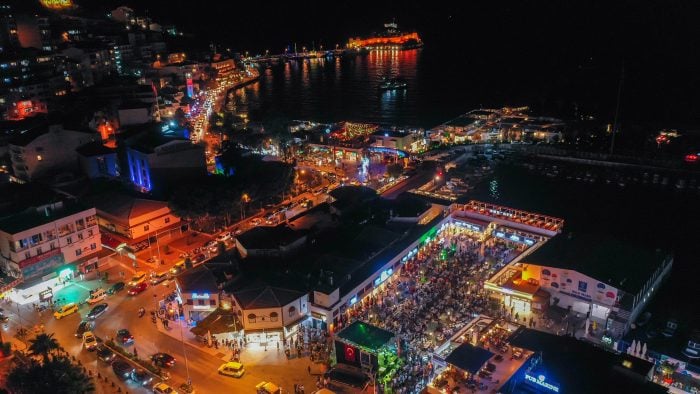
Enjoy Nightlife and Dining in Kusadasi
As the sun sets, Kusadasi’s energy doesn’t fade – it transforms into a lively night spot. The town has a reputation for a fun-filled
nightlife, centered around the aptly named
Bar Street in the old town area. Bar Street (
Kaleiçi quarter) is packed with pubs, cocktail bars, music venues, and clubs crammed side by side in historic stone buildings. You’ll hear a mix of live music and DJ beats spilling into the narrow streets. It’s a popular nightlife hub especially in summer, where tourists and locals mingle, enjoying everything from karaoke bars to open-air dance clubs. If you fancy a late night out, you’ll find spots here open until the early hours. Some well-known hangouts might include karaoke at Charlie’s Place or cocktails at a rooftop bar with a view. The atmosphere can be quite festive (and noisy) on peak nights – if you prefer a quieter evening, there are plenty of alternatives. For a more relaxed night, head to the
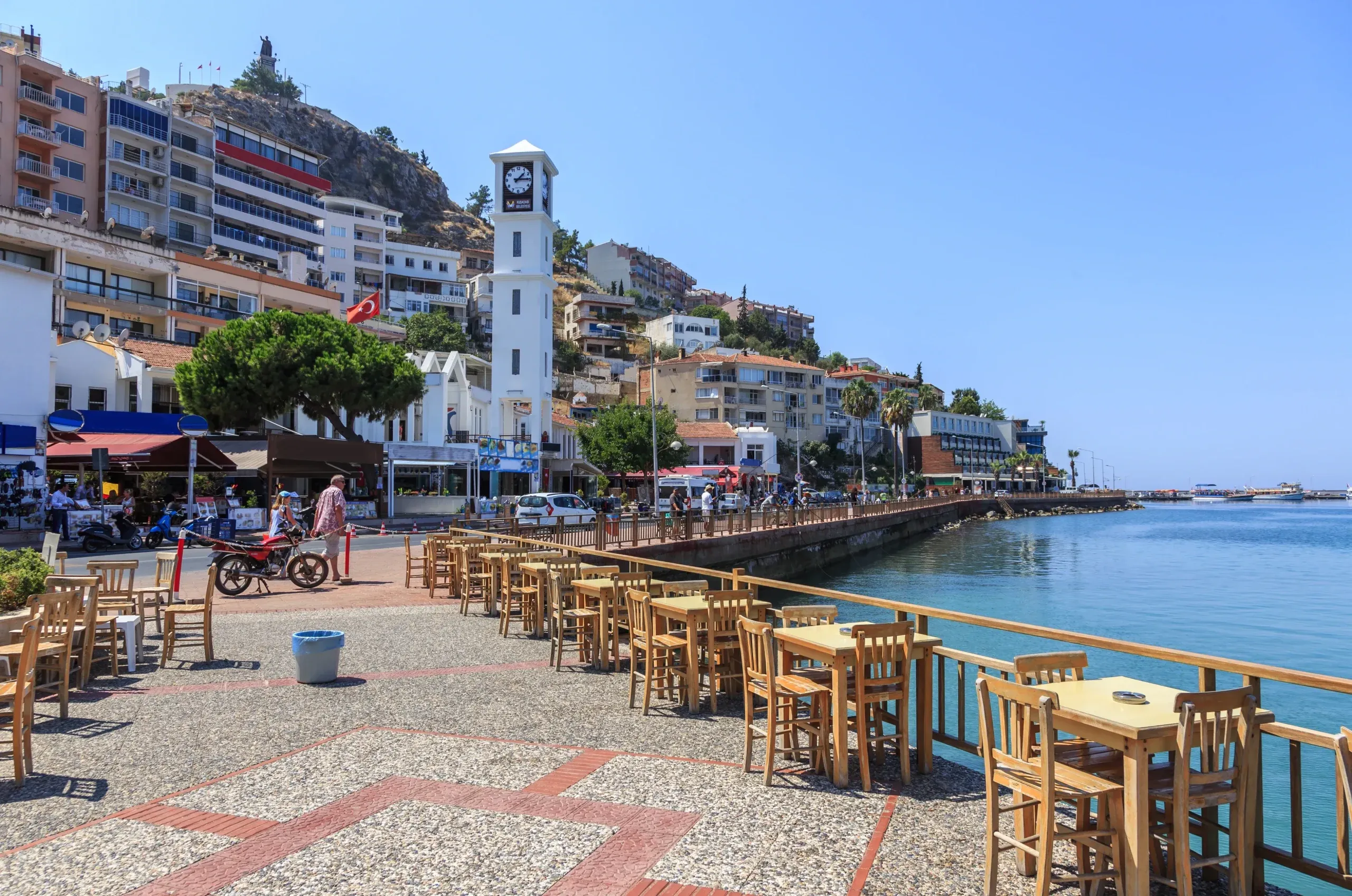
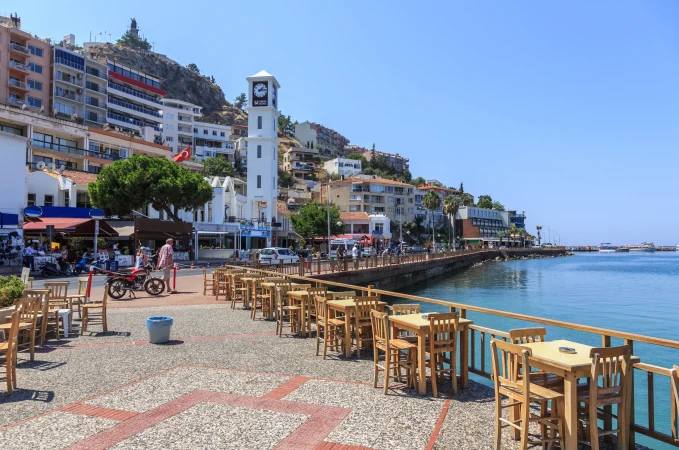
waterfront restaurants and cafes along the marina and promenade. There you can dine with a view of the Aegean and moored yachts bobbing in the harbor. Kusadasi’s dining scene offers everything from traditional Turkish eateries to international cuisine, but make sure to sample some local Aegean flavors.
Fresh seafood is a highlight – try grilled fish, calamari, or shrimp at a meyhane (Turkish tavern) accompanied by mezzes (appetizer spreads) and maybe a glass of rakı (anise-flavored spirit) or local wine. Many restaurants offer outdoor terrace seating, perfect for enjoying the warm evenings. Don’t miss having a Turkish ice cream or some baklava for dessert during your evening stroll. Families and couples alike will enjoy the after-dinner ambiance of Kusadasi. The waterfront promenade is lovely for a walk, often with street musicians or seasonal night markets. There are also a few
night shows and Turkish folk dance performances aimed at tourists (sometimes offered at hotels or as dinner shows). Even simply people-watching in the central square with a cup of coffee or grabbing a late-night snack of Turkish street food (like
dürüm wraps or stuffed mussels) can be a pleasant way to end the day. In short,
Kusadasi by night can be as lively or laid-back as you wish, with plenty of options for entertainment.
Best Day Trips from Kusadasi (Where to Go Nearby)
One of the best things about basing yourself in Kusadasi is the
amazing array of day trip destinations at your doorstep. From world-famous archaeological sites to natural wonders and quaint villages, there’s a lot to explore within a few hours of the town. Below are some of the top places to go on day trips from Kusadasi:
Ancient Ephesus & The House of Virgin Mary
No trip to Kusadasi is complete without visiting
Ephesus, one of the most spectacular ancient cities in the world. Located only about 18–20 km (12 miles) northeast of Kusadasi, Ephesus was a thriving Greco-Roman city dating back over 2,000 years. Today it’s a vast open-air archaeological site where you can walk down marble streets in the footsteps of Romans and apostles. Highlights include the towering
Library of Celsus façade (iconic with its columns and statues), the Great Theatre that once held 25,000 spectators, the Temple of Hadrian, and countless other ruins like bathhouses, mosaics, and the ancient agora (marketplace). Ephesus is also significant in Christian history; it’s mentioned in the Bible and was home to Saint John for a time. Nearby on Mt. Bülbül (Nightingale Mountain) is the
House of the Virgin Mary, a sacred site believed by some to be where Mary (mother of Jesus) lived out her final years under the care of John the Apostle. Today a small stone house and chapel mark the spot, which has been visited by several Popes and is a pilgrimage site for many. The atmosphere there is peaceful and reverent, and visitors can light a candle or tie a prayer on the wishing wall. Just below Ephesus in the town of Selçuk, you can also see the ruins of the
Basilica of St. John and the remains of the
Temple of Artemis, one of the Seven Wonders of the Ancient World (only a single column stands today, but it’s a poignant reminder of Ephesus’s glorious past).
Getting to Ephesus: From Kusadasi, Ephesus is an easy 30-minute drive. You can take a taxi or dolmuş (minibus) to the town of Selçuk and then a short taxi ride or uphill walk to the site entrance. However, many travelers opt for an organized tour to make the most of the experience. A guided tour ensures you have transport and a knowledgeable guide to bring the ruins to life. If you’re arriving via cruise ship or staying in town, you might join an
Ephesus day tour from Kusadasi and Selçuk which covers pick-up from the port or hotel and includes a guided visit to Ephesus (often combined with the Virgin Mary’s House and other nearby sites). For those based in İzmir, there are also options like an
Ephesus day tour from Izmir hotels. Even travelers staying farther afield can experience Ephesus. If you’re in
Istanbul, you can take an early flight to İzmir and join an
Ephesus day trip from Istanbul, making it possible to visit Ephesus as a long day excursion (typically these tours handle the round-trip flights and transport logistics for you). Similarly, those flying into the area can start sightseeing immediately with an
Ephesus day tour from İzmir Airport – perfect if you land in the morning and want to head straight to the ruins. Given the wealth of history at Ephesus, having a guide or audio guide is highly recommended to appreciate what you’re seeing. Wear comfortable shoes, a hat, and sunscreen as the site offers little shade and involves a fair bit of walking. Visiting Ephesus is absolutely worth it – it’s often the highlight of any trip to Kusadasi and a profound journey back in time.
Pamukkale & Hierapolis
If you’re up for a longer day trip, journey east to witness the otherworldly landscape of
Pamukkale and the ancient spa city of
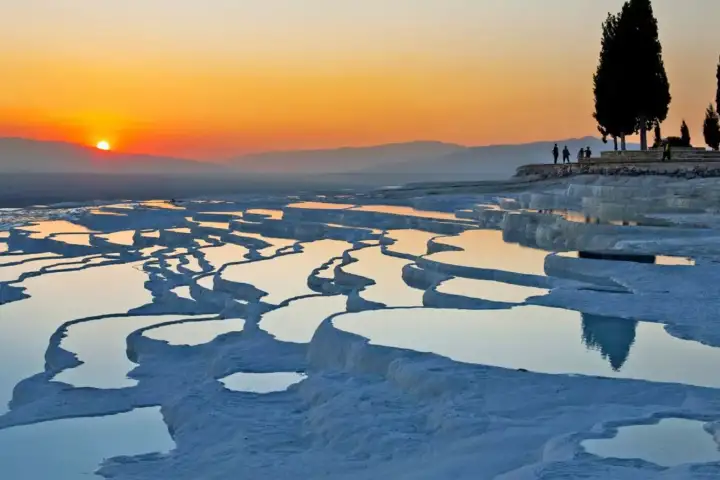
Hierapolis. Pamukkale (meaning “Cotton Castle” in Turkish) is famous for its brilliant white travertine terraces cascading down a hillside, formed by mineral-rich thermal waters over millennia. The effect is a series of snow-white pools and petrified waterfalls – a truly unique natural wonder that’s UNESCO-listed. Visitors can
walk on the terraces (shoes off, to protect the deposits) and even wade in some of the warm pools, enjoying the surreal experience of bath-warm water against the stark white backdrop. It’s incredibly photogenic, especially in late afternoon light. Atop the same hill are the extensive ruins of
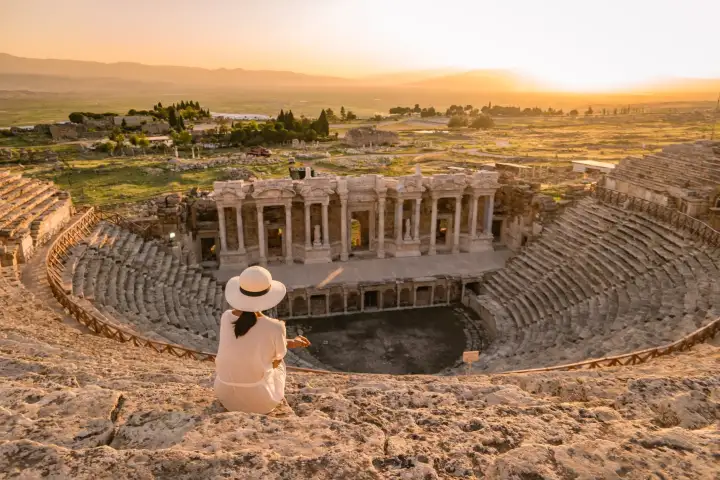
Hierapolis, an ancient Roman spa city founded around the 2nd century BC. People once flocked here for healing in the thermal waters. Today you can roam Hierapolis’s well-preserved theatre perched on a hillside (with stunning views of the valley below), explore the remnants of temples, ancient bathhouses, and a large necropolis (cemetery) with sarcophagi along the old Roman streets. One highlight is
Cleopatra’s Pool (also called the Antique Pool) – a thermal pool full of submerged marble columns where you can swim for an extra fee, purportedly the same pool Cleopatra herself swam in (at least according to legend!). The warm mineral water is said to have health benefits, and it’s quite relaxing to paddle around ancient ruins in the water.
Getting to Pamukkale: Pamukkale is about 185–200 km (115–125 miles) from Kusadasi, which translates to roughly a 3-hour drive each way. It’s a long day trip but definitely doable with an early start. Many visitors choose to join a
guided tour from Kusadasi to avoid the hassle of driving. A convenient option is a
Pamukkale day tour from Kusadasi and Selçuk, where a bus will pick you up and a guide will lead you through Hierapolis and Pamukkale’s terraces. These tours often include lunch and get you back by evening. If you’re coming from Istanbul, there are tour packages that include a round-trip flight to Denizli (nearest airport to Pamukkale) – for example, a
Pamukkale day trip from Istanbul is possible, albeit a very full day. Some travelers choose to combine Ephesus and Pamukkale into a multi-day trip. If you have two days available, you might consider something like an
Ephesus-Pamukkale tour from Istanbul (2 Days), which lets you see both highlights with guided visits and an overnight stay. There’s even a whirlwind option to see
Pamukkale and Ephesus in one day for those extremely short on time – check out the
Pamukkale and Ephesus Tour in One Day (but be prepared for a very early start and late return!). Visiting Pamukkale is a fantastic contrast to the coastal scenery of Kusadasi. Just remember to pack a swimsuit and a towel if you plan to swim, and be mindful that you’ll need to remove shoes when walking on the delicate terraces. The site can get hot in summer and there’s a fair bit of walking uphill, so bring water and sun protection. Also, the white calcium can be bright under sunlight – sunglasses will help. Many Kusadasi visitors say the long drive to Pamukkale is worth it to see one of Turkey’s most unique natural wonders. For a deep dive into this destination, you can read our detailed
Pamukkale & Hierapolis Ultimate Guide which offers more tips.
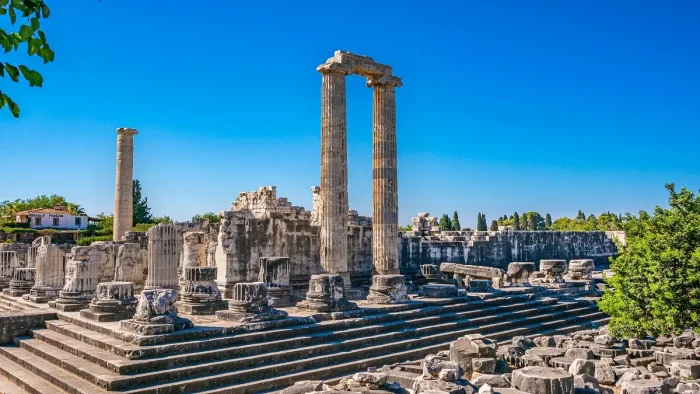
Didyma Ancient City
Ancient Cities of Priene, Miletus & Didyma
History enthusiasts will appreciate a day trip south of Kusadasi to visit the trio of ancient sites:
Priene,
Miletus, and
Didyma. These sites, each with its own character, are often combined into one full-day tour since they lie in the same general direction (toward the Bodrum/Didim area). Stepping off the typical tourist path, you’ll encounter fewer crowds and get a deeper look at classical Ionian history.
Priene is an ancient Greek city perched on a hillside overlooking the Meander River valley. Known for its dramatic setting beneath steep cliffs, Priene was a wealthy city of the Ionian League. Today you can wander its ruins in relative peace – highlights include the well-preserved
Temple of Athena (with several standing columns framing a gorgeous view of the plains below) and a small theater. The city’s grid plan, designed by Hippodamus, is clearly visible as you walk the stone streets. It’s a bit of a hike uphill from the parking area, but the serenity and scenery are rewarding.
Miletus was one of the grandest cities of ancient Ionia, a powerful trading port and the hometown of several philosophers and scientists (like Thales). The standout here is the enormous
Theater of Miletus, which once could seat 15,000 people – you can still climb up its steps for a commanding view. Miletus also has the remains of Roman baths (the Baths of Faustina), a stadium, and a sacred way that once led to Didyma. It’s fascinating to imagine how this now-quiet field of ruins was a bustling harbor city in antiquity (the sea has since receded many kilometers away due to silt from the Meander River).
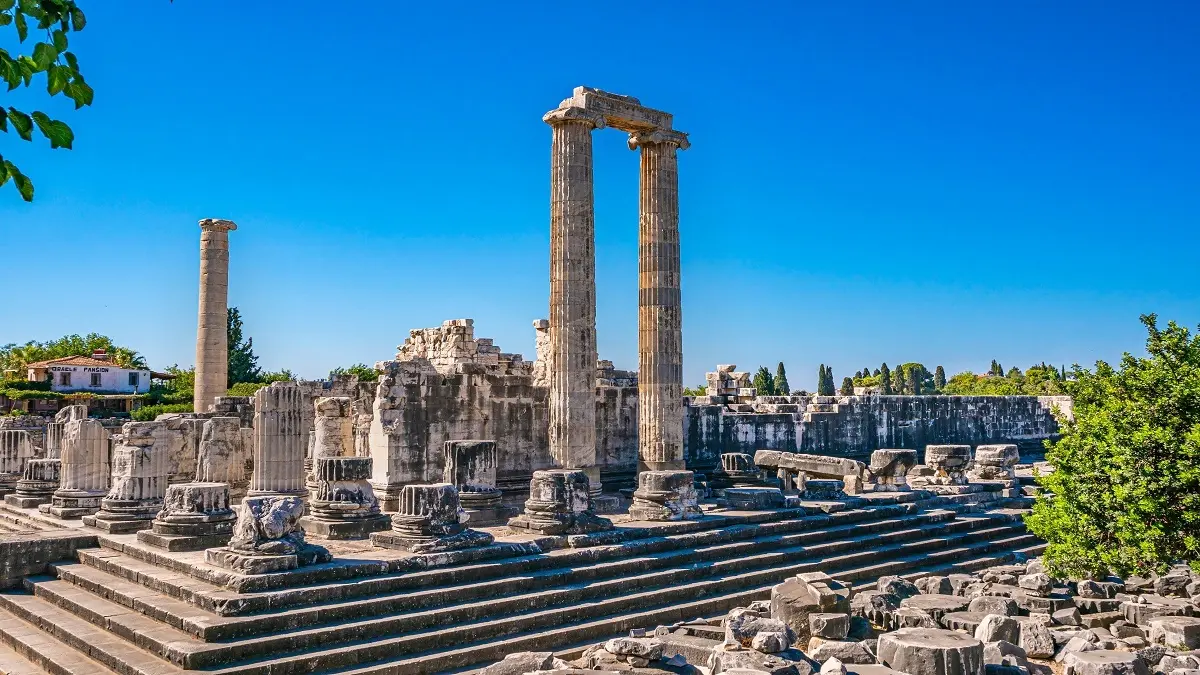
Didyma is not a city but the site of the
Temple of Apollo, which in its time was one of the largest and most renowned oracles in the ancient world (second only to Delphi in Greece). The Temple of Apollo at Didyma boasts several towering columns still standing and many fallen ones lying about, giving a sense of its enormous scale. Walking among the gigantic fluted columns and the carving-rich stonework is awe-inspiring for history lovers. You can see the sacred well and remnants of the oracle’s chamber. The modern town of Didim surrounds the site, and there are cafes and shops nearby for a rest stop. Visiting all three in one day is made easy by joining a guided excursion – consider the
Priene-Miletus-Didyma Tour which will handle the transportation and guiding. You’ll likely depart in the morning and be back by early evening. Each site offers a different perspective: Priene for city planning and scenery, Miletus for grand theatre architecture and Roman influence, and Didyma for religious significance and architectural wonder. Remember to wear good walking shoes, as the ground can be uneven at these ruins. A hat, sunblock, and water are essentials in the hotter months since shade is limited. This trio of ancient sites is a fantastic complement to Ephesus, rounding out your understanding of the rich classical history in the Kusadasi region.
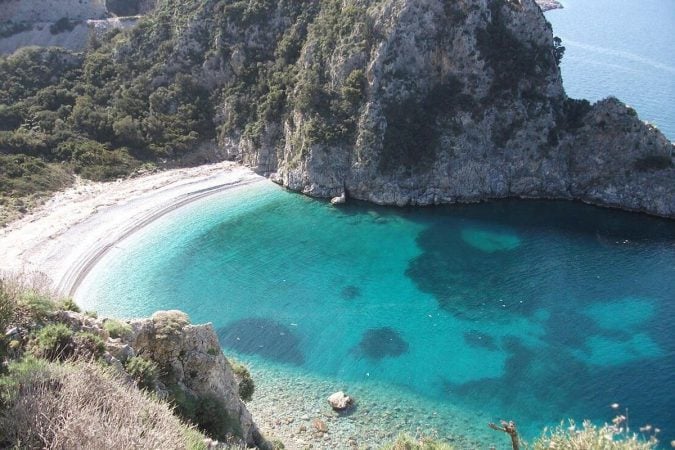
Dilek Peninsula National Park (Milli Park)
To immerse yourself in nature, take a day to visit the
Dilek Peninsula-Büyük Menderes Delta National Park, commonly referred to simply as Milli Park (National Park). Located about 30 km (19 miles) south of Kusadasi, this protected peninsula is a world apart from the town’s hustle and bustle. Here you’ll find lush pine forests, rugged mountains, pristine beaches, and wildlife in their natural habitat. The park stretches along the last bit of peninsula before the Greek island of Samos – in fact, the gap between them is just a few miles of sea. One of the biggest draws of Dilek Peninsula are its
beautiful beaches with crystal-clear waters. There are several bays accessible by the main park road (which you can enter by car or via organized tour/dolmuş in season). The first few beaches like İçmeler Bay and Aydınlık are pebbly and set against green hills – they tend to be popular and have basic facilities like toilets, picnic tables, and sometimes a small café. Further in, you’ll find
Kalamaki (Karasu) Beach and others that are sandy or pebbly mixes. The water here is unbelievably clear and refreshing. Do note that the beaches inside the national park do not have hotels or big developments – it’s all kept natural. You might even encounter wild boars wandering near picnic areas (they’re generally used to humans looking for food scraps, but keep a respectful distance and secure your picnic!). Early mornings or weekdays are quieter times to enjoy Milli Park’s beaches without crowds. Apart from swimming and sunbathing, Milli Park offers
hiking trails for various skill levels. One popular walk is to the
Cave of Zeus (Zeus Mağarası) located just at the park’s entrance near the village of Güzelçamlı. This cave has a pool of cool spring water inside; legend says Zeus would retreat here to escape the wrath of his brother Poseidon. It’s free to enter, and adventurous visitors often take a dip in the cave’s deep, chilly turquoise water for a unique experience. Inside the main park, there are marked trails leading to viewpoints or small waterfalls – just check at the park information center for trail maps. Keep an eye out for wildlife: besides boars, the park is home to species like foxes, owls, and many birds. Flora is rich too, especially if you visit in spring when wildflowers bloom. You can reach Dilek Peninsula National Park by driving (there’s an entrance fee per vehicle and per person) or by taking a minibus from Kusadasi to Güzelçamlı and then another into the park during summer months. Alternatively, join a
jeep safari tour that includes the park – these often combine off-road fun with stops at the beaches and scenic outlooks. Bring a picnic (there are lovely shaded picnic spots under pine trees), plenty of water, and all your beach gear. Note that open fires and bringing pets are not allowed in the park, to protect the wildlife. A day at Milli Park is a refreshing getaway into nature, offering a nice balance to the urban and historical sightseeing around Kusadasi.
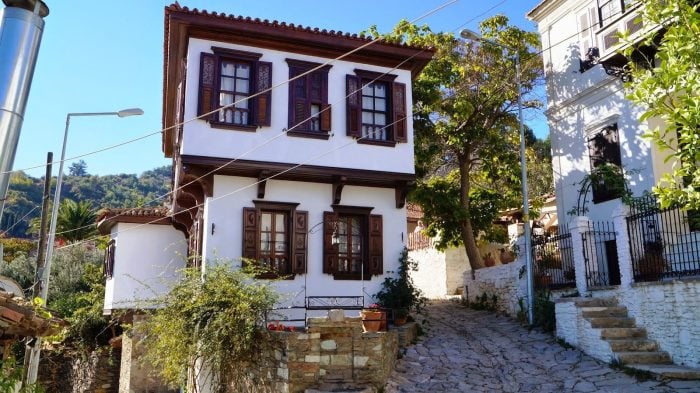
Sirince Village House
Other Nearby Excursions
If you have more time, there are even more places around Kusadasi worth mentioning. The lively city of
Izmir is about an hour’s drive north – you can go for a day of exploring its waterfront promenade, ancient Agora ruins and Kemeralti Bazaar (see our
Places to Visit Around Izmir for ideas). Also, the quaint
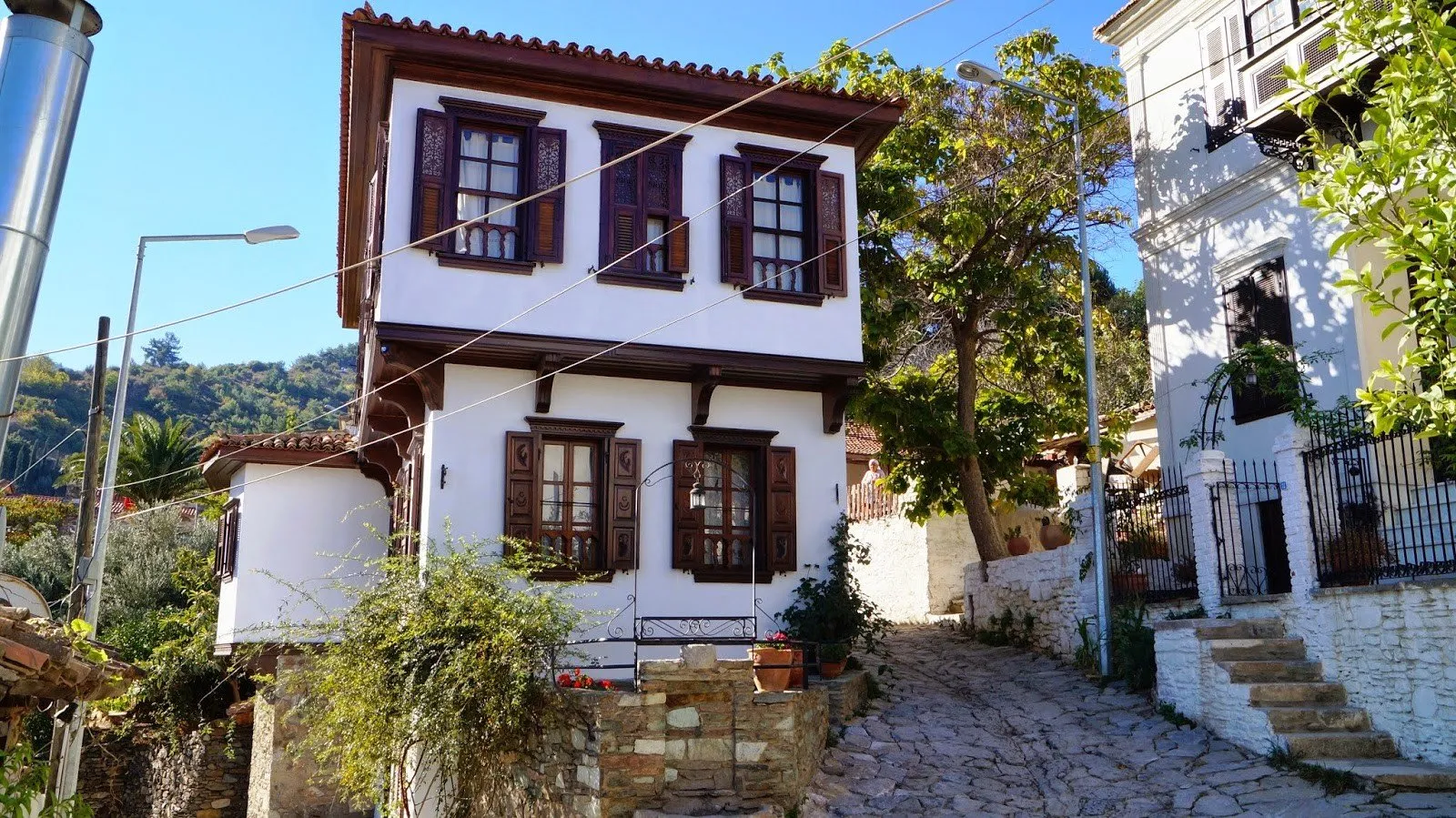
village of Şirince (known for fruit wines and hilltop charm) is near Ephesus and can be combined with that trip. South of Kusadasi, the town of
Didim offers beaches and the Didyma temple we discussed. And for a truly unique addition: you can even hop over to
Samos, Greece from Kusadasi – see below!
Ferry to Samos (Greece)
Want to add another country to your trip? In summer, daily ferries connect
Kusadasi to the Greek island of Samos, which lies just off the coast. It’s about a 1 to 1.5 hour ferry ride each way. You can do a Samos day trip – typically departing Kusadasi in the morning, giving you a few hours to explore Samos (perhaps the port town of Vathy or the charming village of Pythagorion), and returning by evening. Just remember to carry your passport (and check visa requirements if applicable) because you will be entering Greece (EU). It’s a fantastic opportunity to experience a bit of Greek island life – enjoy some moussaka or ouzo on Samos – before heading back to Turkey. Ferry schedules and tickets are available through local agencies; if you plan on this, it’s wise to arrange it a day or two in advance and note that customs lines can take some time. This excursion is optional but quite popular among travelers who have the time.
When to Visit Kusadasi (Climate & Best Time)
Kusadasi enjoys a
Mediterranean climate, which means hot, dry summers and mild, wetter winters. You can visit year-round, but the experience will differ with the seasons. Here’s a breakdown to help you decide when to visit Kusadasi:
- Summer (June, July, August): This is peak season in Kusadasi. The weather is hot and sunny every day – expect temperatures in July and August regularly in the mid-30s °C (around 95°F or higher in the afternoon). Rain is extremely rare in summer. The Aegean Sea is at its warmest (sea temps around 24–26°C, great for swimming). All tourist services are in full swing: beach clubs are lively, nightlife is buzzing, and every restaurant and shop is open late. It’s a fantastic time if you love a vibrant atmosphere and long beach days. However, it’s also the most crowded and prices for hotels can be highest. Also touring places like Ephesus under the midday sun can be very hot, so plan sightseeing either early morning or late afternoon if possible. Don’t forget sunblock, hats, and to stay hydrated. Many repeat visitors actually love September more than August, since the weather is nearly as hot but crowds start to thin a bit.
- Spring (April, May) and Autumn (September, October): These “shoulder season” months are often the best time to visit Kusadasi for a balance of pleasant weather and fewer crowds. In late spring (April-May), daytime temperatures are usually in the 20s °C (70s °F) – warm enough for sightseeing in comfort and even some beach time by May. The landscape is greener and flowers are blooming in spring, making it a lovely time for nature walks (for instance, Milli Park is gorgeous when wildflowers dot the meadows). Autumn, especially September and early October, is wonderful: the sea is still warm from the summer, days are balmy (upper 20s °C / low 80s °F in September, cooling to mid 20s by October). You’ll find that by mid-October, some tourist businesses start to wind down for off-season, but generally everything is still open and active through the end of October. These months also see far fewer cruise ships than summer, meaning Ephesus and other attractions are less crowded. If we had to pick the absolute ideal times, late May or mid-September might be the sweet spot for Kusadasi – great weather, not too packed, and all activities available.
- Winter (November through March): Winter is off-season in Kusadasi, but the town doesn’t completely shut down (it’s a sizable town with year-round residents). The weather is mild compared to northern climates – expect average daytime highs around 13–17°C (55–63°F) and nights around 5–10°C (40–50°F). November can be quite pleasant, but as you get into December, January, February, you’ll see more rain. In fact, most of Kusadasi’s annual rain falls in winter (so bring an umbrella or light raincoat if visiting in these months). Snow is virtually unheard of in Kusadasi itself, though you might see snow on distant mountaintops. While you won’t be sunbathing (the sea will be chilly, around 15°C / 59°F in winter), winter can be a fine time for exploring historical sites without crowds or heat. Ephesus in January might have just a handful of visitors – a very different experience than the summer throngs. Many hotels and restaurants in touristy areas close for winter or do renovations, but you’ll still find accommodations and local eateries that remain open, especially in the city center. One perk: prices are usually much lower in winter, and you might snag great deals on hotels. Just don’t expect nightlife or beach clubs to be active. If you enjoy a quieter, more local vibe and don’t mind the chance of rain, winter in Kusadasi is peaceful. The New Year’s period can be a bit festive with local celebrations, but otherwise it’s low-key.
In summary, the
best time to visit Kusadasi for most travelers is late spring or early fall, when the weather is warm but comfortable and the crowds are moderate. Summer is ideal for beach lovers and those seeking a party atmosphere (just prepare for heat and lots of people), while winter caters to travelers who prioritize tranquility and don’t mind cooler temperatures. Whenever you go, try to align your visit with what you want to do: for example, if swimming and boat tours are top of your list, summer and early fall are best; if your focus is on visiting Ephesus and Pamukkale, spring or autumn offers better touring weather.
Note: If arriving by cruise, you might not have a choice of season – cruises to Kusadasi mainly operate April through October. In that case, just be prepared for the weather of that month. For instance, an August cruise stop means you’ll want sunscreen and water for Ephesus, whereas an October stop might mean packing a light jacket for the evening.
Getting to Kusadasi & Transportation
Kusadasi is well-connected and fairly easy to reach despite not having its own airport. Below are the main ways to get to Kusadasi and tips on getting around once you’re there:
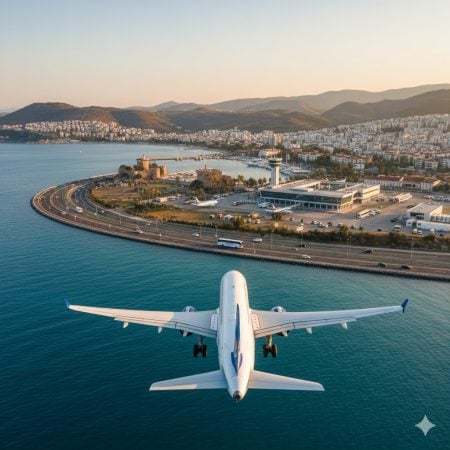
By Air
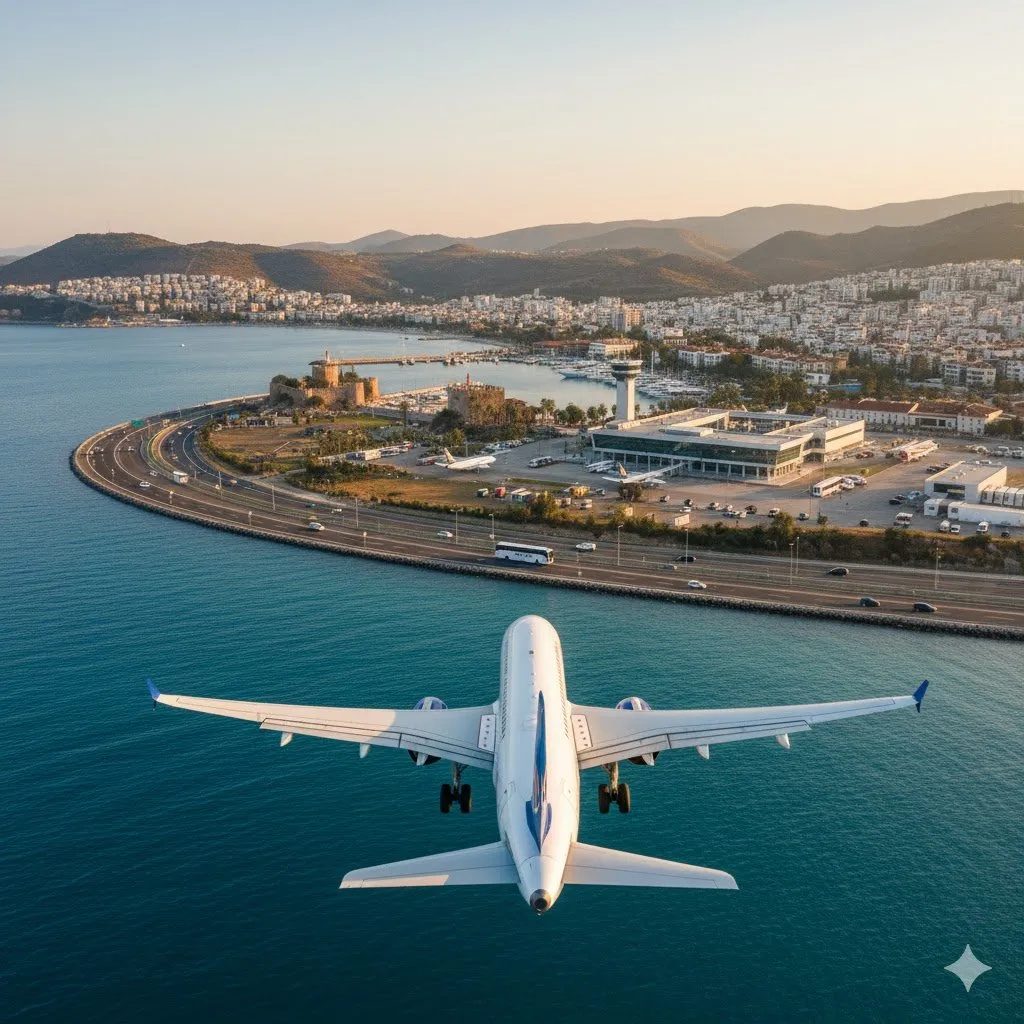
The nearest airport to Kusadasi is
Izmir Adnan Menderes International Airport (ADB), located about 65 km (40 mi) north of the town. This is a major airport with frequent flights from Istanbul (a roughly 1-hour flight) and other European cities, especially in summer. If you’re coming from abroad, you’ll likely connect via Istanbul or fly direct to Izmir on a seasonal charter/flight. From Izmir Airport, it takes about 1 hour to reach Kusadasi by road. You have a few options: you can rent a car at the airport, arrange a private transfer or shuttle, or take a combination of public transport. Some shuttle services (like Havaş or private companies) may run from the airport to nearby towns, but there isn’t a direct public bus to Kusadasi town center. A
taxi or private transfer from Izmir airport to Kusadasi is convenient – approximate driving cost can vary, but expect around 50-60 euros (or equivalent in Turkish Lira) for a taxi, possibly more depending on time and luggage (always good to agree on a rate or ensure the meter is running). If you pre-book a transfer, you’ll have someone waiting with your name and a set price, which many find reassuring after a flight. There is also a smaller airport in
Bodrum (Milas-Bodrum Airport) about 120 km south of Kusadasi, which some travelers use, especially if finding flights to Izmir is difficult. The drive from Bodrum airport to Kusadasi is around 2 hours. But generally, Izmir is the primary gateway airport.
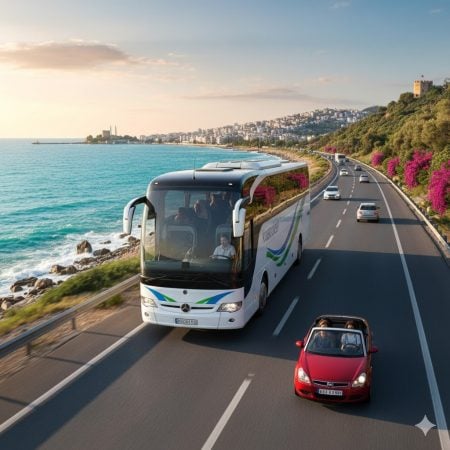
By Land (Bus/Car)
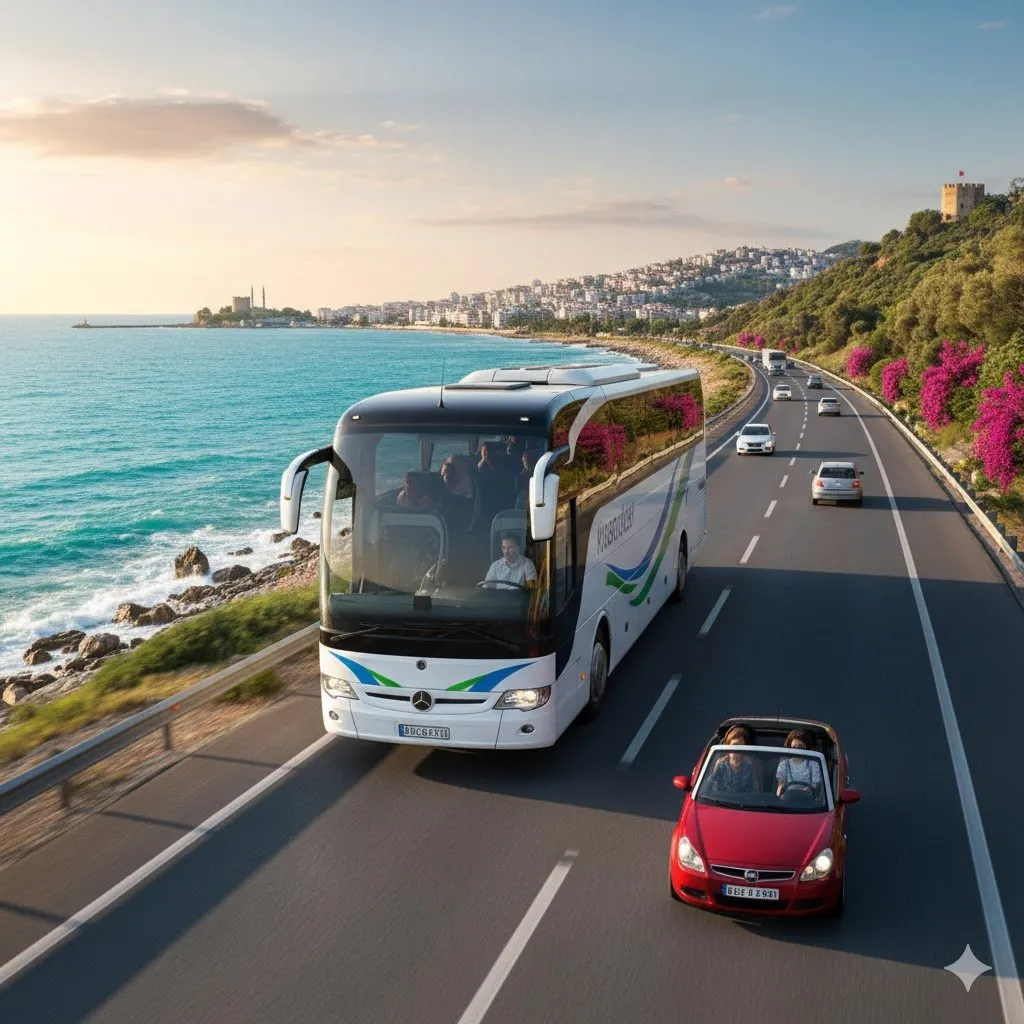
Turkey has a robust intercity bus network, and
Kusadasi is linked by bus to many cities. From
Istanbul to Kusadasi by bus, it’s a long haul – roughly 9 to 10 hours overnight (buses are modern and comfortable, usually with reclining seats, AC, and a steward offering drinks/snacks). Major bus companies like Pamukkale or Metro run routes to the nearby city of Söke or directly to Kusadasi. If a bus doesn’t go straight into Kusadasi, you can go to Söke or Izmir and take a shorter local bus or minibus onward. From
Izmir city (the main bus terminal, Otogar), minibuses to Kusadasi run frequently throughout the day; it’s about a 1.5-hour ride. There’s also a train line from
Izmir Basmane Station to Selçuk (near Ephesus), which takes about an hour and a half – from Selçuk, Kusadasi is 20 minutes by dolmuş or taxi. This train is a slower but scenic option and very inexpensive. If you’re driving a car, Kusadasi is accessible via well-maintained highways. From Istanbul, one driving route includes taking the ferry or bridge across the Marmara Sea and then the O-5/Aydın highway down – with the new highways, you could drive in about 6–7 hours (not counting breaks). From Izmir, you’ll take the O-31 south towards Aydın and follow signs to Kusadasi (there’s a breezy, picturesque stretch of road approaching Kusadasi with views of the sea). Keep in mind there are
tolls on major Turkish highways, so have some cash or a toll sticker. Also, in summer, roads to resort towns can get busy on weekends with local vacationers. Parking in Kusadasi is available but can be tight in the center; many hotels have parking lots or you’ll find paid parking areas.
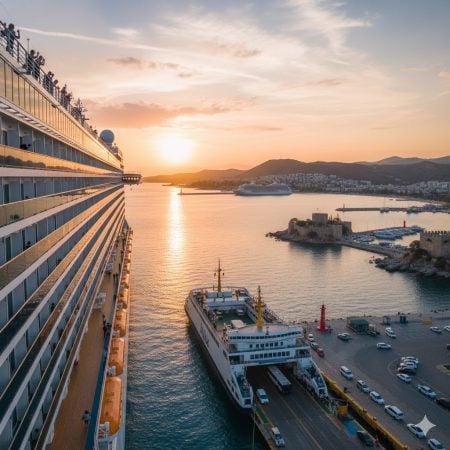
By Sea (Cruise/Ferry)
As mentioned, Kusadasi is a major
cruise port. If you’re arriving on a cruise ship, congratulations – you’ll step right off into the heart of town. The cruise terminal has a small bazaar and tourist info, and it’s walking distance to downtown shops and restaurants. Shore excursion buses typically pick up just outside the terminal for trips to Ephesus or other sights. If you’re instead coming by private yacht or ferry from nearby ports, Kusadasi has a marina and customs facility. There are
seasonal ferry services linking Kusadasi with the Greek island of Samos (as discussed earlier), which effectively makes Kusadasi a jumping-off point for some Greek island connections.
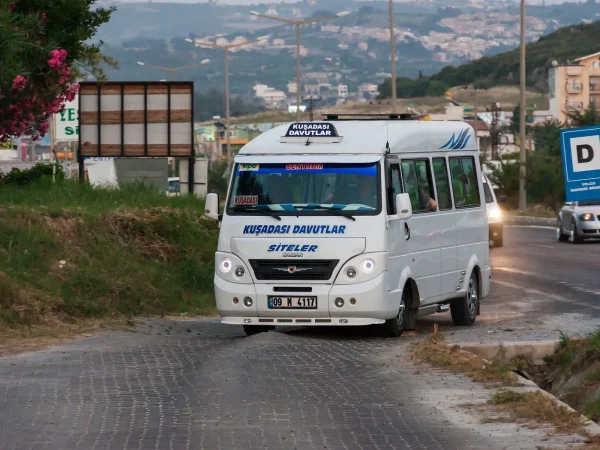
Local Transportation
Once in Kusadasi, getting around town and nearby areas is straightforward. The town center and waterfront are very walkable. To reach beaches like
Ladies Beach or
Kuştur, or nearby towns, you can use the
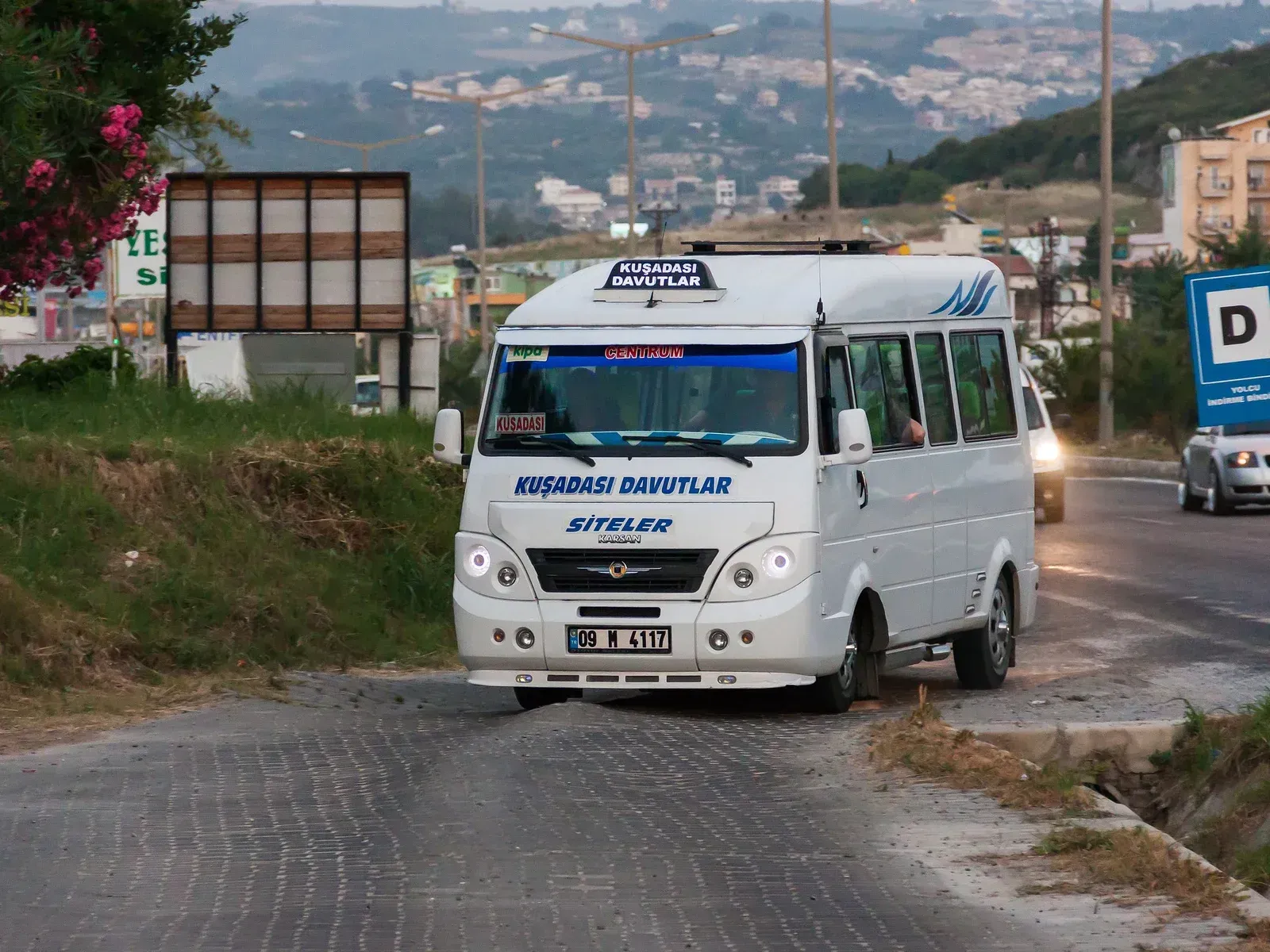
dolmuş system – these are mini-buses or vans that operate on set routes, and you can hop on/off at designated stops (or often flag them down). They are cheap (just a few lira per ride). For example, dolmuş #5 might go from downtown to Ladies Beach and back all day; another goes to the National Park area (Güzelçamlı). They usually have their destination displayed on the front. Taxis are plentiful in Kusadasi as well – look for the yellow cars. They operate by meter; it’s a good idea to confirm the approximate price or ensure the meter is running, especially for longer trips. Taxi stands in tourist areas often have set rates for common trips (like “Ladies Beach – X lira” or “Ephesus – X lira”); you can always ask your hotel for guidance on fair prices. For exploring further afield (like making your own trip to Ephesus or Dilek Park), having a
rental car gives freedom. Car rental agencies are available in town and at airports. Roads are generally well-marked. However, if you’re not comfortable driving in a foreign country, tours and public transport can cover most needs. To get from Kusadasi to
Ephesus/Selçuk on your own, you can take a minibus from the Kusadasi bus station to Selçuk (they run every 30 min or so in daytime). In Selçuk, the bus drops near the center and from there you can take a taxi to Ephesus’s upper gate or rent a bike, etc. Alternatively, a taxi from Kusadasi directly to Ephesus might cost around 30-40 USD (it’s best to negotiate a round-trip rate including waiting time if you go by taxi). To reach
Pamukkale from Kusadasi independently in one day is more challenging by public transport (it would involve multiple bus transfers and be very time-consuming), so a tour or private car is recommended for that route. For nearby
towns like Şirince or Aydın, regional minibuses or buses can be used via Selçuk or Söke respectively. When in doubt, the Kusadasi tourist information office or your hotel concierge can point you to the right bus for your destination. Overall, transportation in and around Kusadasi is convenient and affordable. Many visitors opt for a mix of methods – perhaps renting a scooter for a day to visit surrounding beaches, using a guided tour for historical sites, and walking or taking short taxis around town at night. Choose whatever suits your comfort and budget. The good news is, you don’t necessarily need a car while staying in Kusadasi unless you want to do a lot of independent exploring – many attractions are reachable with tours or local transport, and the town itself is enjoyable on foot.
Travel Tips for Kusadasi
To wrap up our Kusadasi guide, here are some useful travel tips and frequently asked questions to help you plan a smooth trip:
Is Kusadasi safe for tourists?
Yes,
Kusadasi is generally a very safe destination for tourists. It’s a well-developed resort town and Turkish authorities prioritize security in tourist areas. Violent crime is extremely rare. You can feel comfortable walking around the town, even in the evenings when the streets are busy with people dining or shopping. Of course, as with any tourist spot, you should practice common sense: keep an eye on your belongings in crowded bazaars to prevent pickpocketing, use hotel safes for valuables, and be cautious if strangers approach offering deals that sound too good to be true. Traffic can be a bit hectic, so use crosswalks and be alert when crossing streets or walking on narrow lanes. Female travelers, including solo travelers, often report feeling safe in Kusadasi – just expect some friendly curiosity from locals. Harassment is not common; a polite but firm decline works if someone is too pushy in selling something. Late at night, stick to the main well-lit areas (which are usually still populated with other tourists anyway). It’s also worth noting that Kusadasi is far from the regions in eastern Turkey that have occasionally experienced political unrest; it’s firmly in a peaceful, tourist-centric part of the country. After the significant earthquake that struck Turkey in 2023 (centered in a distant region), many wonder about safety –
Kusadasi was unaffected by that event, and infrastructure here is intact. In summary, by following normal travel precautions, you’ll likely find Kusadasi welcoming, secure, and worry-free.
What is the currency in Kusadasi?
The local currency is the
Turkish Lira (TL). You’ll find banknotes in denominations such as 20 TL, 50 TL, 100 TL, etc. In Kusadasi, many tourist-oriented businesses (hotels, some restaurants, carpet shops, etc.) are happy to accept euros or US dollars due to the international clientele – often prices may even be quoted in € or $ for convenience. However, the exchange rate they give might not be the best, so it’s usually smarter to use lira for day-to-day purchases. There are plenty of
ATMs around town (including at the cruise port and along the main streets) where you can withdraw lira using an international debit or credit card. Just be mindful of any foreign transaction fees your home bank might charge. Major credit cards (Visa, MasterCard) are widely accepted in hotels, nicer restaurants, and shops, especially for bigger purchases. For small vendors, street stalls, dolmuş rides, and tips, you’ll need cash in lira. I suggest exchanging a bit of money into lira upon arrival (either at the airport, use an ATM, or exchange offices in Kusadasi which often offer fair rates). Having some lira coins and small notes is handy for buying local snacks, paying taxi fares, etc. As of 2025, Turkey’s currency has fluctuated, so check the current exchange rate before you go – you might find your foreign currency goes a long way. Lastly, when paying in lira, note that
bargaining is common in markets and for things like leather or carpets; for those, the initial price can be negotiated. In regular stores and eateries, prices are fixed.
Tipping in Kusadasi is appreciated (around 10% in restaurants if service was good, a small amount to hotel bellhops or guides), and it’s fine to tip in lira or in foreign currency equivalent.
Is Kusadasi expensive?
Compared to many European or North American resort areas,
Kusadasi is quite affordable for travelers, though your spending will depend on your choices. Here’s a general idea: Accommodation ranges from budget pensions to luxury resorts. You can find reasonably priced family-run hotels or guesthouses, especially outside of peak season, and high-end hotels will cost less here than similar ones in Western Europe. Food is also a good value – eating at local cafes or kebab shops can be very cheap (a delicious doner kebab wrap might cost only a few dollars), while a nice three-course dinner at a tourist restaurant by the sea will be more, but still often cheaper than an equivalent meal in, say, a Mediterranean resort in Italy or Spain.
Local transportation (buses, dolmuş) is inexpensive. Taxis have fixed per-kilometer rates set by the city, which are moderate, but can add up if you take long rides frequently. Admission fees to historical sites like
Ephesus or
Pamukkale are set by the government and are quite reasonable for the experience (often in the range of 200-400 TL, which might be $10–20, with discounts for students or children). Guided tours vary in price, but many find them worth it for convenience and the added insight from guides.
Shopping can be a bit of a mixed bag: if you’re buying souvenirs or textiles, you can often get good deals, but for items like high-quality carpets or leather jackets, prices will depend on your bargaining skills and the item’s quality (you could spend a lot on a hand-woven silk rug, for example, just as anywhere). Always compare and negotiate in markets to ensure you feel you’re paying a fair price. One area that can catch tourists off guard is drinks at nightlife venues – imported spirits or fancy cocktails at a club can be pricey, so check the menu. Also, if you’re in very touristy spots (like a cafe right at a cruise port bazaar), you might find the prices a tad higher for the view/convenience. But even so, by international standards it’s not outrageous. Overall, you can enjoy Kusadasi on a shoestring by utilizing street food, local transport, and free beach days, or you can indulge in more luxurious options and spend more – it accommodates all budgets. Many visitors comment that
Turkey offers great value for money, and Kusadasi is no exception.
How many days should you spend in Kusadasi?
The ideal length of stay in Kusadasi depends on what you want to accomplish, but here are some guidelines: If you’re on a cruise, you might only have
one day, which is typically enough time to see Ephesus (the top priority) and then enjoy a quick look around Kusadasi’s bazaar or have a meal by the port. However, a
longer stay of 3–4 days is recommended to fully experience the area. In three full days, for instance, you could dedicate one day to Ephesus and Selçuk area (including Virgin Mary’s House and maybe Şirince village), another day for Pamukkale (with an organized day trip since it’s far), and another day to relax in Kusadasi – going to the beach, exploring Pigeon Island, shopping and enjoying nightlife. If you’re not doing Pamukkale, then a 2-day stay can cover Ephesus and Kusadasi town itself comfortably. For travelers who love a mix of activities,
5 to 7 days in Kusadasi could be wonderful. You’d have time to do all the key day trips (Ephesus, Pamukkale, Priene-Miletus-Didyma, maybe even a ferry to Samos), and also intersperse some leisure days by the pool or sea so it feels like a vacation rather than a race. Kusadasi is also often used as a base for the wider Aegean region – some people stay a week and incorporate visits to Izmir, maybe a trip down to Bodrum or up to Pergamon on separate days. If you’re touring Turkey more broadly, you might allocate
2 nights Kusadasi (mainly for Ephesus) as part of a larger itinerary, which is fine but will be a bit rushed if you wanted to also enjoy the resort aspect. In short,
at least 2 days is advisable (so you’re not too rushed seeing Ephesus and can relax a bit).
3–4 days gives a nice balance of culture and relaxation.
A week would suit those who want a slower pace or to see every surrounding attraction. Keep in mind the season – if it’s peak summer and you adore beaches, extra days just lounging seaside in Kusadasi can be bliss. If it’s off-season, you might condense things into fewer days since beach time is less of a factor. No matter how long you stay, you won’t run out of things to do, but you’ll also find Kusadasi a great place to simply unwind and enjoy the Turkish hospitality.
Is Kusadasi worth visiting?
Absolutely, Kusadasi is worth visiting – especially if you have an interest in history and a love for seaside fun. The town’s proximity to
Ephesus, one of the most important archaeological sites in the world, makes it a must on any Turkey itinerary. Even aside from Ephesus, Kusadasi offers a delightful holiday experience: you can explore authentic Turkish markets, lounge on attractive beaches, savor delicious Aegean cuisine, and enjoy vibrant evenings by the harbor. It’s an excellent base for day trips (as we’ve detailed), meaning you can see a lot of Turkey’s highlights from one place without constantly packing and moving hotels. Kusadasi provides a nice mix of cultural enrichment and leisure. Where else can you walk through ancient marble streets in the morning and then be jet skiing across blue waves in the afternoon? The convenience of the town – with its wide range of accommodations, restaurants catering to various tastes, and tour services – makes travel easy, even for first-time visitors to Turkey. Many travelers also appreciate that while Kusadasi is touristy, it still retains a Turkish charm and doesn’t feel overly “international” like some resort destinations can. You’ll hear the call to prayer from the mosque minarets, see locals strolling with families in the evening, and be able to try genuine Turkish foods alongside the more tourist-centric offerings. In addition, Kusadasi is a gateway to understanding Turkey’s rich history and natural beauty. From here, you connect with the ancient Greek and Roman world (Ephesus, Priene, etc.), the early Christian heritage (Virgin Mary’s House, Basilica of St. John), and stunning landscapes (Pamukkale’s white terraces, Dilek Park’s green mountains). If you’re on the fence because you’ve heard it’s “touristy”, rest assured it’s the good kind of touristy – the kind that makes things convenient and lively, not the kind that spoils the experience. The sheer number of people who return to
Kusadasi for repeat holidays speaks volumes. It’s a place that often exceeds expectations, offering something for history buffs, sunseekers, families, couples, and solo adventurers alike. In summary, Kusadasi is definitely worth a visit as a highlight of Turkey’s Aegean coast, marrying fun in the sun with journeys into the past. We hope this comprehensive
Kusadasi travel guide helps you plan your trip and get the most out of your time in this wonderful corner of Turkey. From what to see and where to go, to when to visit and how to prepare – you’re now equipped with the key information. All that’s left is to pack your bags and experience
Kusadasi for yourself. Safe travels and enjoy your Aegean adventure!


 With a local population of around 100,000 (swelling to several times that in summer!), Kusadasi buzzes with energy during the high season. The town offers all the amenities a traveler could need – from seaside restaurants and markets to lively bars and comfortable hotels. English is widely spoken in tourist areas, and you’ll find the locals friendly and accustomed to visitors. Read on for a comprehensive Kusadasi travel guide that covers top attractions, day trips, practical tips, and more.
  Kusadasi Cruise Port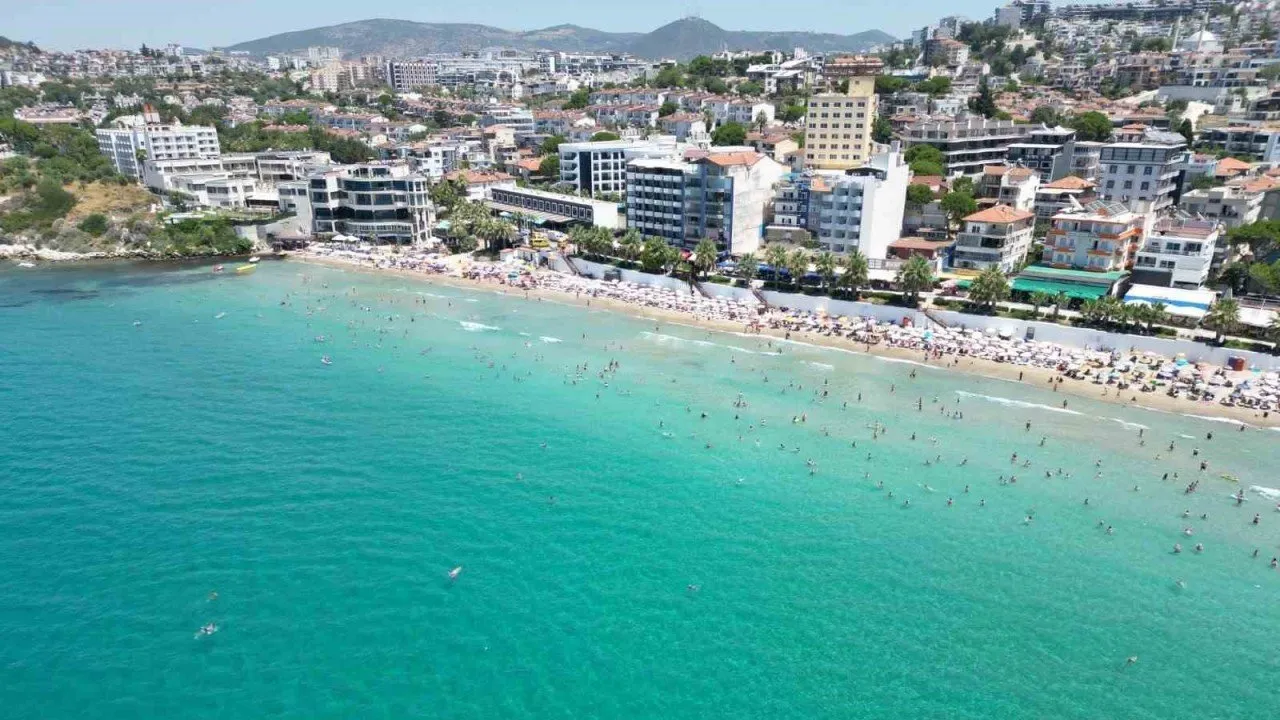

 Didyma Ancient City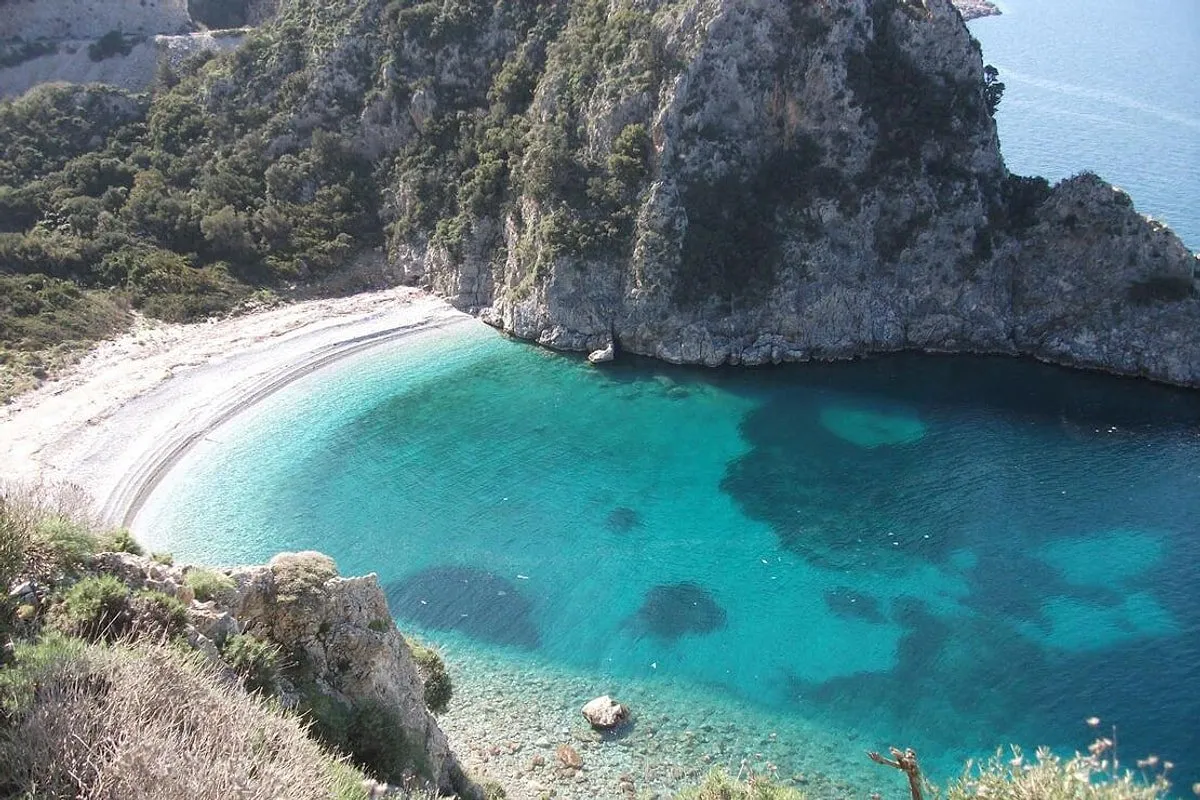
 Sirince Village House