Rumi’s Whirling Dervish Ceremonies in Konya 2026: Dates, Tickets and Turkey Travel Ideas
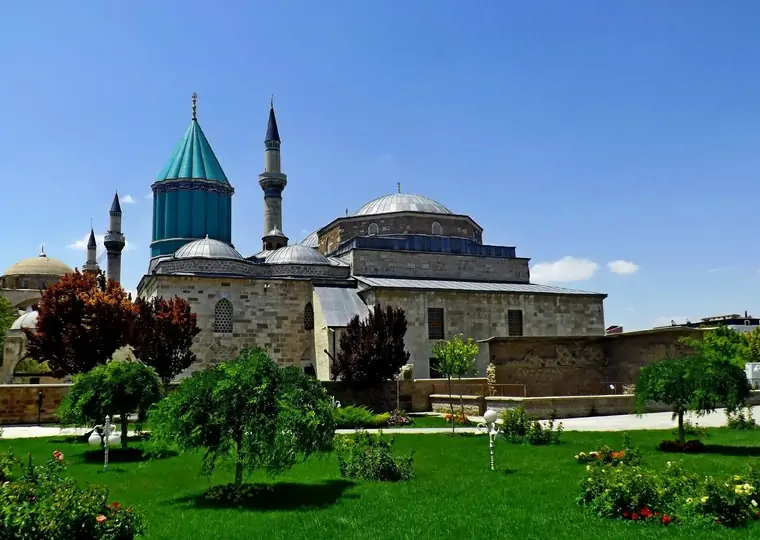
Every December, Konya becomes a gathering place for people drawn to the poetry and legacy of Mevlana Jalaluddin Rumi. The annual commemoration of Rumi’s passing is called Şeb-i Arûs (“Wedding Night”). It remembers his death on 17 December 1273 as a reunion with the Divine. The commemorations offer an opportunity to encounter the Mevlevi sema in the city where Rumi lived and is buried—and to build a wider Turkey journey around the occasion.
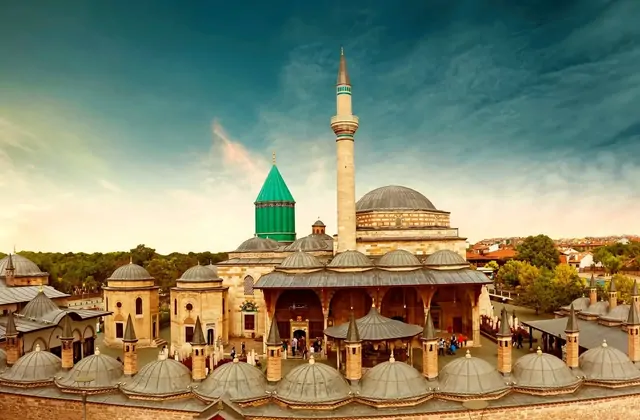
This guide covers the confirmed festival dates, what visitors can expect from the sema, how to plan tickets and museum time, and several practical ways to fit Konya into an itinerary from Istanbul to Cappadocia and beyond. Where the detailed 2026 programme has not yet been published, you will find a clear way to verify it rather than an estimated performance time.
When are the Rumi commemoration ceremonies in Konya in 2026?
The official 753rd anniversary event is listed for 7–17 December 2026 in Konya. Thursday, 17 December 2026 is the anniversary and final day. The event listing gives the overall festival period; it does not establish that every ceremony starts at the same time. Check the individual session, venue and ticket details when the organiser publishes the full 2026 programme.
For the current announcement and official ticket information, consult the Turkish Ministry of Culture and Tourism’s Şeb-i Arûs website and its 2026 event listing. Book your Konya stay early if the closing night is important to you; 17 December is the natural focus of the commemorations.
Which dates should you choose?
Choose 17 December if being in Konya on Rumi’s death anniversary matters most to you. A date earlier in the commemorative period can still offer a meaningful festival visit and may leave more flexibility for a longer trip. In either case, plan around a specific, confirmed performance, not just the general 7–17 December event window. An overnight stay is especially useful for an evening programme.
What is the Mevlevi sema ceremony?
The sema is a Mevlevi spiritual ceremony with a structured sequence of music, movement and prayer. Visitors often recognise the white garments and turning dervishes, but the experience is more meaningful when approached as a living cultural and devotional tradition rather than a staged dance. UNESCO lists the Mevlevi Sema ceremony as intangible cultural heritage.
A respectful visit means arriving before the stated admission time, following staff instructions, silencing your phone, avoiding flash and checking the event’s photography rules. Do not assume that a short tourist sema presentation elsewhere in Turkey is the official Konya anniversary ceremony.
Why Konya matters to Rumi’s story
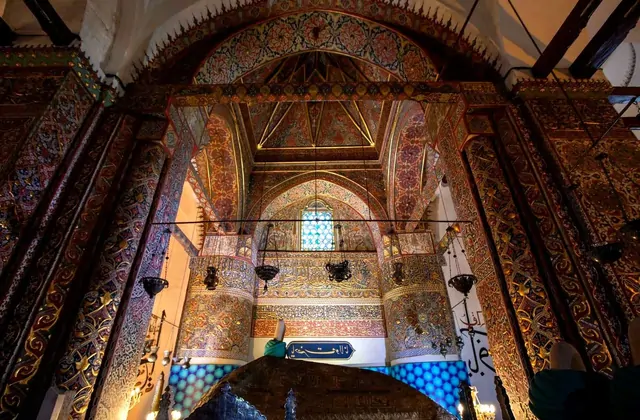
Rumi spent much of his life in Konya, a city shaped by the Seljuk period. His writing and teaching reached well beyond Anatolia, but the museum complex and the continuing Mevlevi tradition give the place itself a particular resonance. The term “Wedding Night” expresses a spiritual interpretation of his death; it does not describe a wedding celebration. Understanding this distinction makes the commemorations and their quiet, attentive atmosphere easier to appreciate.
The sema is accompanied by traditional music and follows an established ceremonial order. Even without knowing every detail of the ritual, you can listen closely to the ney flute, watch the measured entrance and movement of the semazens, and give the performance the same attention you would give a religious or cultural service. See UNESCO’s intangible heritage entry on the Mevlevi Sema ceremony for more background.
Where are the commemorations held, and how do tickets work?
In recent years the principal ticketed sema programmes have taken place at Mevlana Cultural Center (Mevlâna Kültür Merkezi), Sema Hall. The Mevlana Museum is a separate place to visit; museum admission does not include a seat at a commemorative ceremony. Verify the venue on your actual 2026 ticket before making transport plans, because the festival also includes events at other locations.
Use the official Şeb-i Arûs site for the released 2026 calendar, ticket seller, seating categories, prices, and entry conditions. These details can change by date and performance. If you buy through a third party, check which exact ceremony and seating are included. ToursCE package pages linked below are travel suggestions; none should be assumed to include a Şeb-i Arûs ticket unless its inclusions explicitly say so.
Questions to settle before buying a ticket
- Is the ticket for the official anniversary programme or a different sema presentation?
- What are the precise date, starting time, admission time and venue?
- Is your seat assigned, and what are the conditions for a child or a visitor needing accessible seating?
- Will you receive an electronic ticket, and what identification is required at entry?
- Does your transport leave enough time after the event?
Confirm these points with the official ticket seller. An independently advertised city tour or a tourist performance can be worthwhile, but it should not be confused with the anniversary event you meant to attend.
What to see in Konya before the evening ceremony
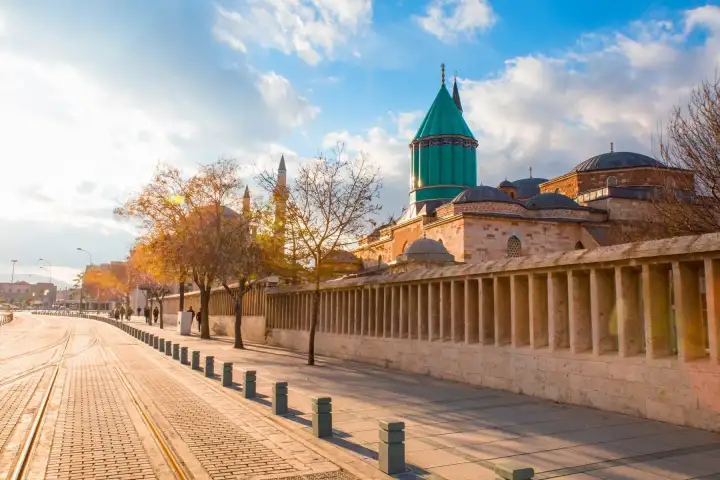
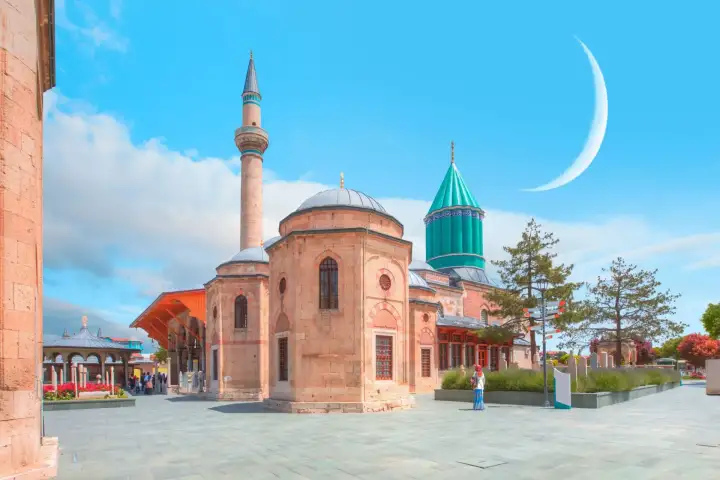
Plan time at the Mevlana Museum, home to Rumi’s tomb and important Mevlevi collections. The official museum listing currently states that entry is free and that it is open daily; hours may change, so check again before travel. From the museum area, you can walk toward the historic centre, visit the Alaeddin Mosque, and discover Seljuk architecture at Karatay Madrasa. The Şems-i Tebrizi Mosque and Tomb adds context to the relationship that shaped Rumi’s poetry. For lunch, try Konya’s etli ekmek or fırın kebabı.
A useful two-day plan is to arrive the day before your booked ceremony, see the museum and old centre at a comfortable pace, attend your ticketed event, and continue onward the next day. If archaeology interests you, allow extra time for Çatalhöyük outside the city; it is not a quick walk from the museum district.
A slower afternoon in the old centre
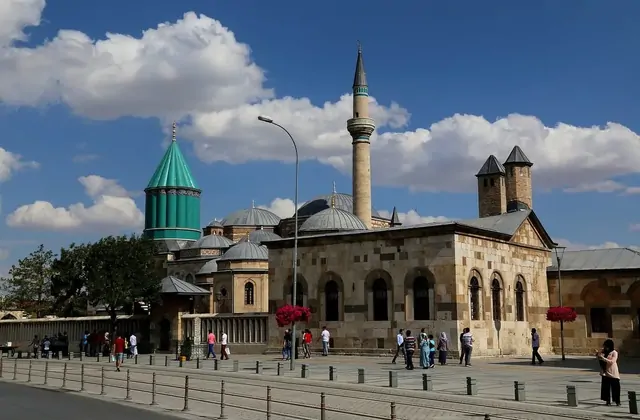
After the museum, leave time to sit in the square and look at the green dome from outside rather than moving immediately to the next stop. Selimiye Mosque is nearby; Alaeddin Hill and the Seljuk monuments broaden the picture of Konya beyond one building. Opening arrangements at active mosques can vary with prayer times, so keep a flexible route. If you would like a fuller day, local food and a walk through the centre fit naturally before an evening event.
Can you visit Konya in one day from Istanbul?
Yes. If you are based in Istanbul and mainly want to see Rumi’s heritage and Konya’s architecture, our Konya Day Tour from Istanbul uses an early flight, local sightseeing and a return flight on the same day. The published route includes the Mevlana Museum, Selimiye Mosque, Karatay Madrasa, Alaeddin Mosque, and a lunch break, along with the transfers and services listed on the tour page. Check the live itinerary for the day you book because flight times can change.
Attending Şeb-i Arûs? The standard day tour is designed around daytime sightseeing and an evening return. It does not promise admission to an anniversary ceremony. If your aim is a particular evening performance, choose your official ceremony ticket first and arrange the necessary Konya overnight and return travel separately or ask ToursCE about a date-specific itinerary.
How to combine Konya and Cappadocia
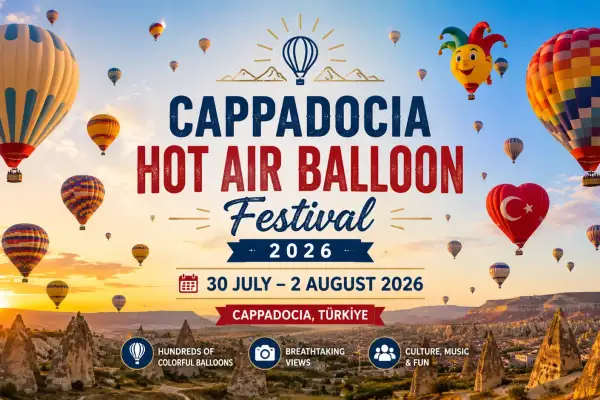
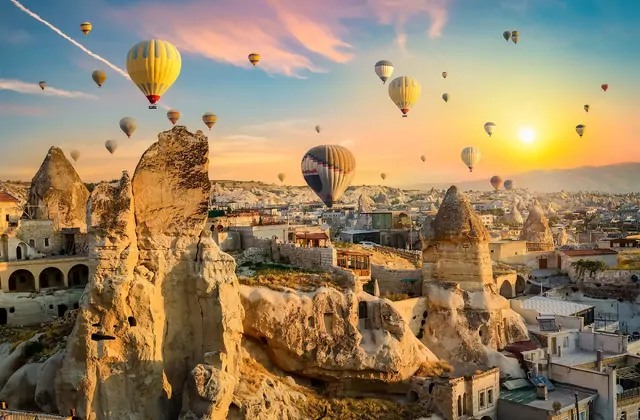
Konya and Cappadocia work especially well together in a Central Anatolia itinerary. Allow roughly 3–4 hours of driving between central Konya and the main Cappadocia touring areas, depending on your exact start, destination, weather and stops. Winter daylight is short, so an overnight in Konya is sensible when attending an evening ceremony. Cappadocia then offers valleys, cave hotels, underground cities and optional balloon flights; balloon operations depend on weather.
For an established route that actually visits both regions, see our 4 Days Cappadocia and Konya Tour. If you are continuing south afterward, compare the Cappadocia to Antalya transfer with a Konya stop. These published itineraries may need date or timing adjustments to fit your specific Şeb-i Arûs session.
A practical three-stop route
A visitor flying internationally into Istanbul can spend a few nights seeing the city, travel to Konya with time for the museum and a booked sema, then continue to Cappadocia the next day. Reversing the order works too: visit Cappadocia first, stop in Konya, and finish in Istanbul for your onward flight. The best direction depends on ceremony availability, domestic flight choices and where your international ticket begins and ends.
Turkey itineraries before or after your Konya visit
Istanbul, Konya and Cappadocia
Start with Istanbul’s historic peninsula and Bosphorus, travel to Konya for Rumi’s legacy, then spend several days in Cappadocia. Our Konya Day Tour from Istanbul is an option for a separate Konya heritage visit, but do not treat a standard daytime itinerary as an evening ceremony booking. For a longer route spanning Konya, Cappadocia and the southeast, explore the 7 Days Konya, Cappadocia, Göbeklitepe and Mount Nemrut Tour.
Göbeklitepe and southeastern Turkey
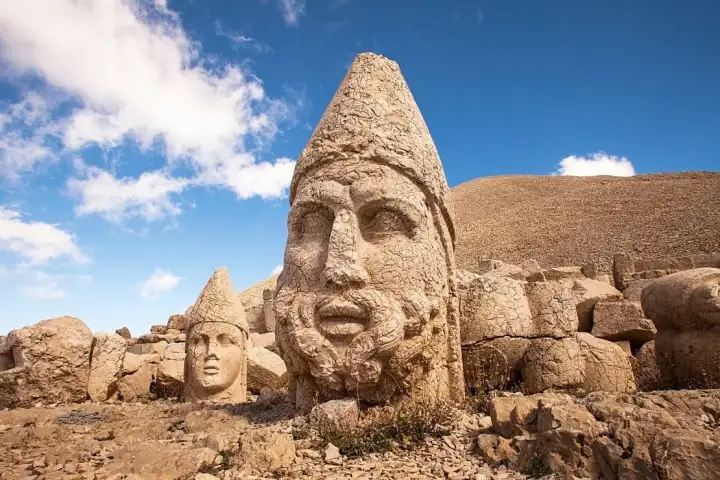
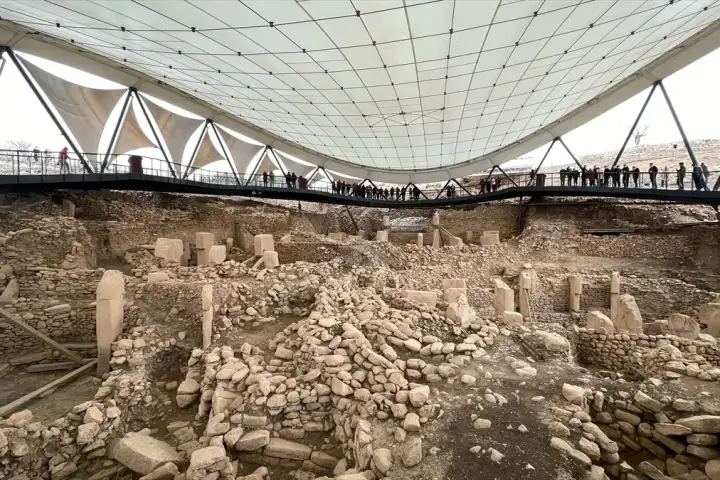
After Cappadocia, the route east opens onto Şanlıurfa, Göbeklitepe and, on selected itineraries, Mount Nemrut and Halfeti. Compare the 5 Days Nemrut, Göbeklitepe and Cappadocia Tour if ancient sites are your priority. December conditions and access at higher elevations, particularly Mount Nemrut, require an up-to-date operating check before booking.
Pamukkale and Ephesus
From central Anatolia, continue west to Pamukkale’s terraces and Hierapolis, then to the ancient city of Ephesus. The 5 Days Ephesus, Pamukkale and Cappadocia Tour includes a Konya stop between the western sites and Cappadocia. Review its exact Konya time against your ceremony booking: an en-route stop alone may not allow an overnight anniversary event. For a route that also includes Istanbul, compare our 8 Days Istanbul, Cappadocia, Pamukkale and Ephesus Tour.
Antalya, Troy and a longer journey
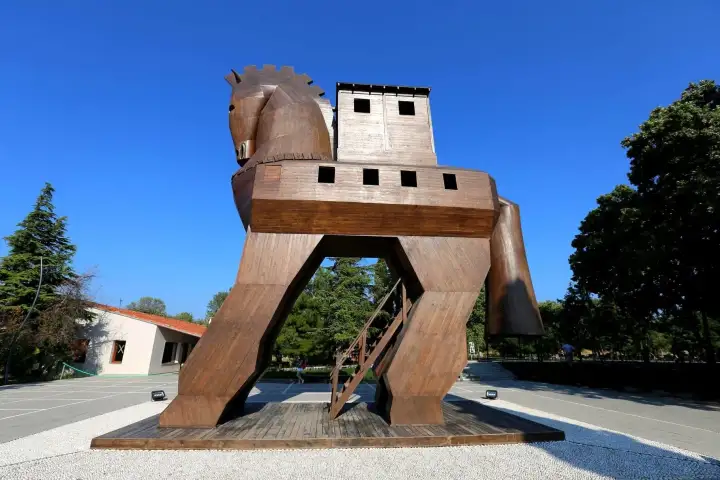
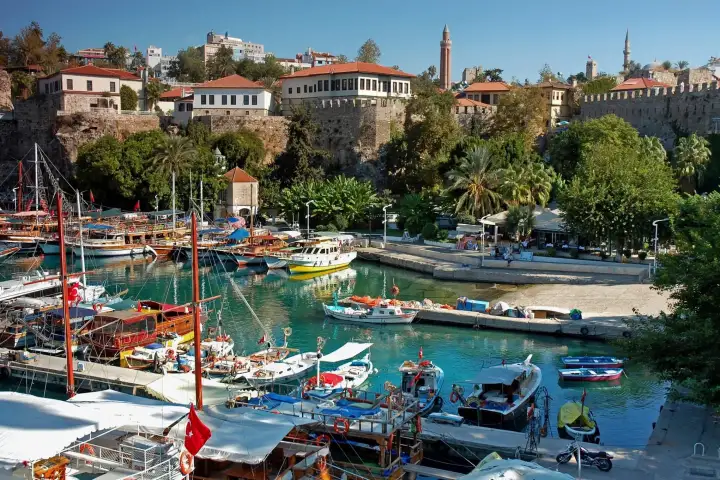
For Mediterranean history and scenery, add Antalya after Konya or Cappadocia; the 9 Days Istanbul, Ephesus, Pamukkale, Antalya and Cappadocia Tour provides a broader route. To bring Troy into the journey, see the 12 Days Istanbul, Troy, Ephesus, Pamukkale and Cappadocia Tour. These are examples of tours to take before or after Konya; add sufficient time and the appropriate transfers for the ceremony itself.
Which route fits your travel style?
One day available: choose the Istanbul–Konya day tour for Rumi and Seljuk sights. Four days available: compare the Konya and Cappadocia tour and add an overnight if needed for the official ceremony. One to two weeks available: combine Konya with Istanbul, Cappadocia, Pamukkale and Ephesus, or extend toward Göbeklitepe and the southeast. Published ToursCE itineraries show the route and inclusions; the anniversary event requires its own date-specific check.
Practical planning for December
- Secure the ceremony first: select a specific 2026 date and session from the official programme before fixing intercity travel.
- Keep your ticket separate: check whether a tour quote explicitly includes an official ceremony seat; museum entry and tourist sema presentations are different products.
- Allow for winter: Konya and Cappadocia can be cold in December. Bring warm layers, suitable walking shoes, and flexibility for weather-sensitive activities.
- Leave travel margin: avoid booking a tight same-day connection before an evening ceremony or immediately after the closing-night event.
- Check inclusions: review hotel nights, flight sectors, transfers, admission fees, meals and guide arrangements on the individual ToursCE page before purchase.
Food, clothing and getting around
December days can be chilly and evenings colder, especially if you are waiting outside a venue. Layer your clothing and bring a warm coat; comfortable shoes help on paved historic streets. Modest, comfortable dress suits visits to religious places and the tone of the sema. The Mevlana Museum and several central sights are reasonably close together, while the cultural centre and the airport need separate transport planning. Konya’s signature dishes include etli ekmek, a long, thin meat-topped flatbread, and slow-cooked fırın kebabı.
Frequently asked questions
When is the main Rumi remembrance date?
Rumi’s death anniversary is 17 December. The official 2026 commemorations run from 7 through 17 December, with individual events scheduled during that period.
Are all events free?
No single rule covers every event. The Mevlana Museum currently lists free admission, while principal sema performances have their own ticket arrangements. Check the official 2026 announcement for each activity.
Can I attend the ceremony on a regular Konya tour?
Only if the tour’s written inclusions and timings explicitly cover your chosen ceremony. A daytime museum visit does not automatically include an evening event ticket.
How long should I stay?
One overnight gives you room for the museum and your booked ceremony. Add another day if you want an unhurried Konya visit, Çatalhöyük or a comfortable onward connection to Cappadocia.
Does the Istanbul to Konya day tour include a ceremony ticket?
The published day tour covers Konya heritage sightseeing with a same-day return. Do not assume an official evening ceremony ticket is included. Check the written tour inclusions and your chosen performance separately.
Can I continue from Konya to Cappadocia?
Yes. The two destinations pair well by road and appear together in our 4-day itinerary. Allow time for the journey and overnight arrangements if your sema finishes in the evening.
Plan your Konya and Turkey journey with ToursCE
Choose the anniversary session you want, then browse our Konya and Cappadocia itinerary or the Konya, Cappadocia and Göbeklitepe route. Tell us your ceremony date, arrival city, available days and places you want to see. We can help you choose a suitable Turkey tour before or after Konya and clarify the itinerary and inclusions before you reserve.